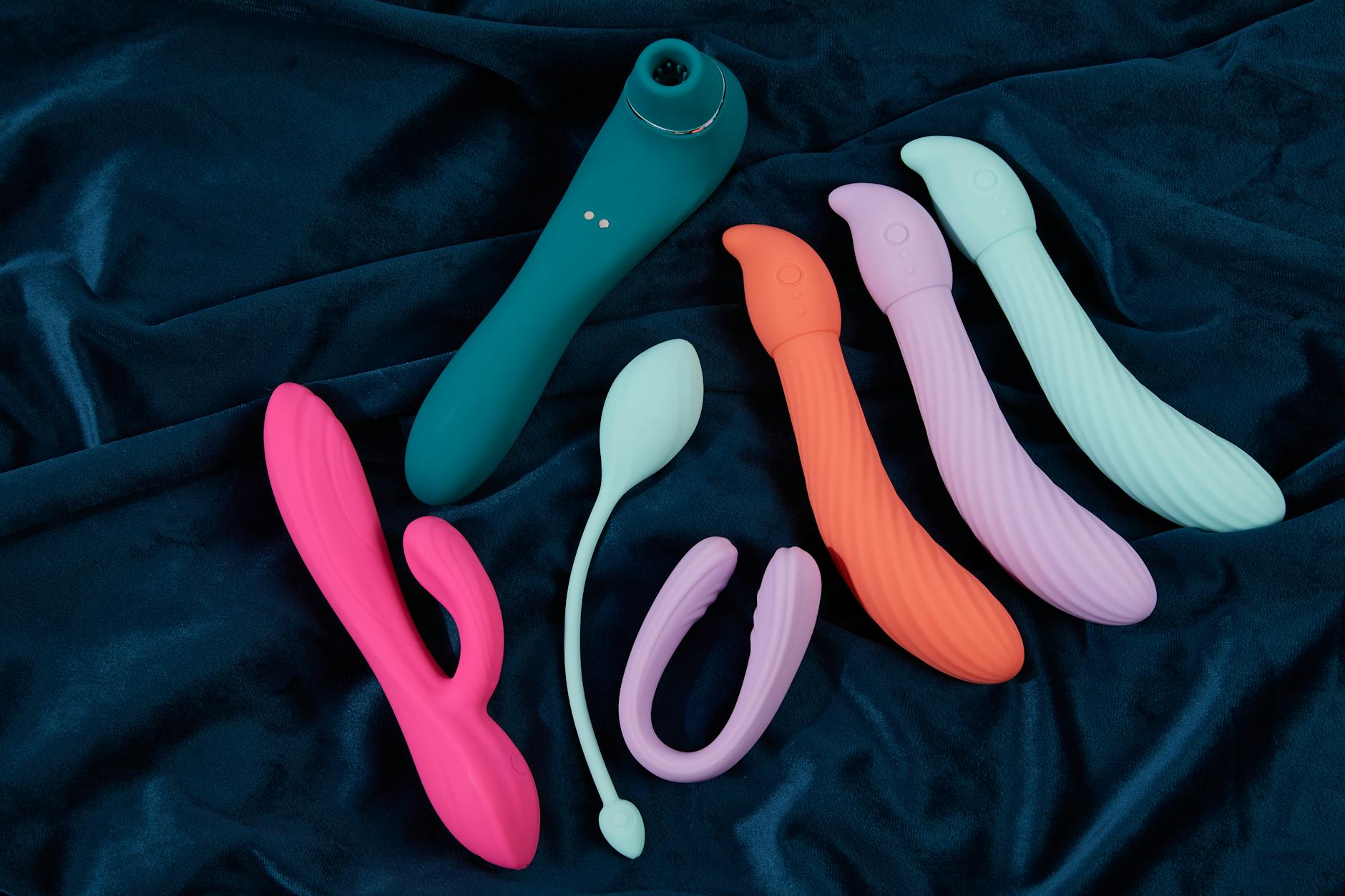
Does Lemon Vibrator Suction Work Better Than Vibration Alone?
Here's the thing about lemon vibrators and how they work: they're not just another vibrator with a clever name. The lemon clitoral vibrator uses air-pulse technology, which is fundamentally different from the buzzing sensation you get from traditional vibration. But is different actually better? That's the question most people have when they're considering their first lemon sucker or trying to figure out why this particular tool might hit different than what they've used before.
The honest answer is: it depends on your body, your sensitivity, and what kind of stimulation actually gets you there. But the science behind why lemon vibrators feel so different is worth understanding, because it changes how you think about your own pleasure.
How suction stimulation actually works on the body
When you use a lem vibrator or any air-pulse toy, you're not experiencing vibration the way a traditional vibrator creates it. Instead, the toy creates a gentle suction and release pattern that mimics the sensation of oral sex. This happens at a much slower frequency than mechanical vibration, but with different neural pathways lighting up in your brain.
Traditional vibrators work by stimulating nerve endings through rapid, repetitive oscillation. The vibration travels through tissue and creates a widespread stimulation pattern. A lemon clitoral vibrator, by contrast, creates a localized pressure change that feels almost like someone is gently drawing on the skin. Your nerve endings respond to this pressure differential rather than to movement.
This is why some people report that suction feels gentler, more intense, or somehow more "real" than vibration. Your body isn't comparing the lemon sucker to a regular vibrator on a scale of buzzy to buzzier. It's experiencing an entirely different type of sensation.
The stimulation patterns are fundamentally different
Let's break down what's happening at the nerve level. When you press a traditional vibrator against sensitive tissue, those vibrations travel in waves. The frequency matters (measured in hertz), and faster doesn't always mean better. Your body can actually become less responsive to high-frequency vibration over time because the sensation becomes somewhat static in your brain.
Suction-based stimulation, by comparison, creates a rhythmic pressure pattern. The toy turns on and off, creating peaks and valleys in sensation rather than a continuous hum. This on-and-off pattern is closer to how oral stimulation actually works, which is one reason why people who struggle to orgasm with traditional vibrators sometimes find a lemon sexual toy revelatory.
There's also the anatomical factor. Suction stimulation tends to work differently depending on whether you have thinner or thicker labial tissue, whether you're more sensitive to surface touch or deeper pressure, and even whether you prefer broad stimulation or focused contact. Because the lemon vibrator's suction concentrates stimulation in a very specific zone, it can feel more targeted.
Why lemon vibrators might feel more intense
Intensity is subjective, but there's a measurable reason why many people report that lemon adult toys feel more intense than traditional vibrators: it's about tissue engagement. When suction is applied to the clitoral area, the tissue is gently drawn upward into the cup. This creates a fuller, more three-dimensional sensation than the flat pressure of vibration.
Your clitoris is much larger internally than most people realize. The visible part (the glans) is just the tip. The shaft, the crura, and the bulbs extend deep into your body. Suction engages more of this internal structure, which is why the sensation can feel like it's hitting something that vibration alone sometimes misses.
That said, intensity and pleasure aren't the same thing. A more intense sensation isn't automatically better. Some people find suction overwhelming, especially if they're sensitive or if they have thinner tissue due to hormonal changes. In that case, a traditional vibrator might actually be the better choice, which is why understanding your own body matters more than chasing what works for someone else.
Vibration vs. suction: what research actually tells us
There's surprisingly little peer-reviewed research directly comparing suction and vibration, mostly because studying pleasure is complicated and funding is limited. But there are a few helpful data points.
Studies on air-pulse devices show that they achieve orgasm in a significant percentage of people who haven't reached orgasm with other methods. One small study published in Sexual Medicine found that approximately 75% of participants achieved orgasm with an air-pulse device, compared to lower rates with traditional vibrators in previous separate studies. That's notable, but it's not proof that suction is universally better. It might just be that suction works better for the people in that particular group.
What's more consistent across research is that novelty matters. When someone tries a new type of stimulation, they often report higher satisfaction initially, simply because the sensation is unfamiliar. This isn't a bad thing. Your brain responds well to novelty. But it's worth knowing so you're not comparing a brand-new lemon clitoral vibrator (which feels fresh and interesting) to a traditional vibrator you've had for five years and used dozens of times.
When suction works better than vibration
There are some bodies and situations where suction genuinely outperforms traditional vibration. If you have less sensitivity or difficulty reaching orgasm with vibration alone, suction might be your breakthrough. The concentrated pressure and the gentler overall stimulation can work when buzzing alone doesn't.
If you're prone to numbness or desensitization from vibration, suction might extend your play sessions because the sensation doesn't plateau the same way. Many people find they can use a lem vibrator for much longer before needing a break, because the on-and-off pattern of suction feels fresh throughout.
Suction can also be genuinely better if you have pain with traditional vibration. People with vulvodynia, generalised vulvodynia, or who are recovering from childbirth sometimes find that the concentrated, non-buzzing sensation of a lemon sucker feels less irritating. It's still worth checking with a healthcare provider if penetration or any touch causes pain, but suction might be part of the solution.
When vibration might actually be the better choice
Not everyone prefers suction, and that's completely normal. Some people find air-pulse toys too intense, even on the lowest setting. If you have thin vaginal tissue (whether from menopause, hormonal birth control, or just your anatomy), suction can sometimes feel uncomfortable or like too much focused pressure.
Vibration is also more customizable in some ways. You can control the frequency more finely, experiment with different placements more easily, and switch patterns more rapidly. If you like variety within a single session, traditional vibrators give you more flexibility.
And honestly, there's nothing wrong with preferring vibration. Your pleasure doesn't need to chase the newest technology or what's trending. The best toy is the one that actually works for your body, not the one that works best in theory.
How to test which works better for you
If you're trying to figure out whether suction or vibration suits you better, start with what you already know about your body. Are you someone who enjoys receiving oral sex? Do you find the sensation builds gradually or suddenly? Does intense stimulation turn you on or shut you down?
These aren't definitive answers, but they're clues. People who love the feeling of oral sex often prefer suction. People who respond well to quick, intense sensations sometimes prefer traditional vibration. But there are plenty of exceptions.
The other factor is patience. If you're trying a lemon vibrator for the first time, give yourself at least three or four sessions before deciding whether it's for you. Your body needs time to learn what the sensation is and how to respond to it. The first time you use a new type of toy, your nervous system is working overtime just processing the novelty.
The real difference: it's about engagement
What really matters isn't whether suction is objectively better than vibration. It's that suction engages your body differently. It creates a different type of pleasure signal, it requires slightly different positioning, and it can feel like an entirely new experience even if you've had a lot of partnered or solo sex before.
A lemon clitoral vibrator works best when you understand what it's actually doing. You're not getting traditional vibration in a fun shape. You're getting air-pulse suction that mimics oral stimulation in a way that lets you control the intensity, pattern, and positioning yourself. That's genuinely different, and for many people, that difference is everything.
Your pleasure matters. Whether you prefer the consistent hum of traditional vibration or the rhythmic pressure of a lemon sucker, the right choice is the one that actually works for you. And if you find yourself loving suction? That's not because marketing convinced you. It's because your body responded to that particular type of stimulation.
People Also Ask
Can you use a lemon vibrator and a traditional vibrator together?
Absolutely. Some people find that alternating between suction and vibration, or using them simultaneously in different areas, creates interesting combinations. You might use a lemon sucker for clitoral stimulation and a traditional vibrator for broader vulval stimulation, or alternate between them when one sensation plateaus. The main thing is using enough lubrication if you're switching toys frequently, and letting your body have little breaks if you're going for extended sessions.
Does suction feel more like real oral sex than vibration?
For many people, yes. The air-pulse rhythm is closer to how a partner would actually use their mouth. Vibration is more of its own thing, which isn't bad, just different. Whether that matters depends on what you're looking for. Some people love that lemon sexual toys feel oral-adjacent. Others just want effective stimulation and don't care whether it mimics partnered sex.
Is suction better for sensitive clitorises?
Sometimes. If your sensitivity is tied to vibration specifically (meaning you find buzzing uncomfortable), suction might feel gentler. But suction still creates sensation, just a different kind. If your sensitivity is general, you might find suction too much just like vibration. Starting on the lowest setting with plenty of lubrication helps either way.
Will a lemon clitoral vibrator make me numb like regular vibrators do?
Desensitization is possible with any stimulation type, but it's less common with suction-based toys because the on-and-off pattern feels fresher to your nervous system longer. That said, taking breaks between sessions helps prevent desensitization with any toy. And if numbness has been an issue for you in the past, you might genuinely find that a lem vibrator feels different in this way.
How do I know if I need suction or regular vibration?
Try both if possible. Borrow a friend's toy, test one at a store (plenty of good shops let you try things in-person), or start with a beginner model in whichever category appeals to you. Your body will tell you pretty quickly which sensation it responds to. And if you genuinely can't afford to experiment, think about what kinds of touch feel good to you in other contexts. That's usually a decent clue.
Does suction work better after menopause?
Many people find that suction works particularly well post-menopause because the focused, non-vibrating pressure feels more comfortable on thinner tissue. But individual variation is huge, and plenty of post-menopausal people prefer traditional vibration. If you're navigating pleasure changes after menopause, a lemon vibrator is worth trying, but don't assume it's automatically the answer just because you're in that life phase.
The Bottom Line
Suction doesn't work better than vibration. It works differently. For some bodies, in some situations, that difference means suction becomes a go-to choice. For others, traditional vibration remains the winner. Your pleasure isn't about objective superiority. It's about finding the sensation that actually lights up your nervous system.
If you're curious about lemon vibrators, the suction mechanism is worth experiencing, not because it's better, but because it might be exactly what your body has been looking for. And if it's not? That's useful information too. Either way, you're learning what works, and that knowledge compounds over time.
Ready to explore? Start with what appeals to you, give your body time to adjust, and pay attention to what actually feels good. Your pleasure is the only metric that matters.