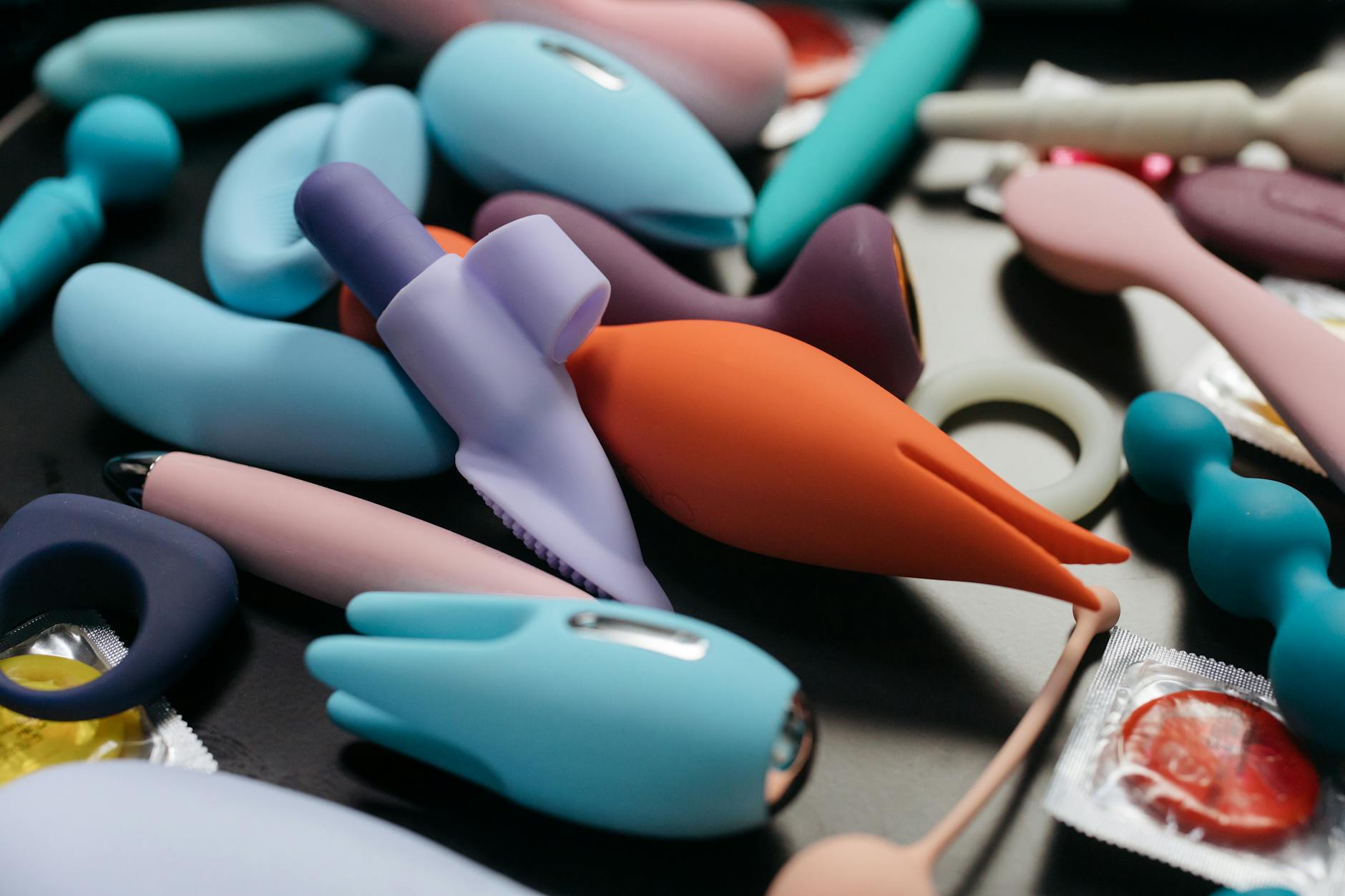
The real question isn't which toy is best—it's which toy is best for you
Honestly, this is where people get stuck. You've scrolled through reviews, read blogs that all sound like ads, and you're still not sure if a lemon vibrator, a wand, or an air-pulse toy is actually going to work for your body. Here's the thing: they're not interchangeable. They feel completely different, they work on different parts of your anatomy, and they have very different learning curves.
I'm going to walk you through how each category actually works, what bodies and preferences each one suits, and how to narrow down the choice without ending up with a toy that sits in a drawer feeling like wasted money.
What a lemon vibrator (air-pulse suction toy) actually does
Let's start with the lemon vibrator—the category that Hello Nancy specializes in. A lemon suction toy like the Lem vibrator uses gentle suction and pulsing air patterns instead of traditional vibration. Instead of buzzing, it creates a gentle suction sensation that stimulates nerves in your clitoris without direct friction.
This is why people reach for lemon clitoral vibrators: the sensation is radically different from what you might get from a traditional vibrator. It feels more like a gentle pulling or massaging motion rather than a buzzing sensation. For people with sensitive clitorises, or anyone whose pleasure responds better to less direct stimulation, this is often the breakthrough toy.
The lemon vibrator (and air-pulse devices in general) also work really well for people with thinner clitoral tissue. If you've ever felt that a standard vibrator feels uncomfortable—too intense, too buzzy, or almost painful—suction-based toys are worth trying. They deliver intensity without the mechanical friction.
Traditional vibrators: the familiar baseline
There are dozens of vibrator shapes and intensities, but they all work on the same principle: rapid oscillation. The toy buzzes at a certain frequency, usually measured in hertz or "intensity levels."
Traditional vibrators are good for people who like direct, straightforward stimulation. They're predictable. They're usually cheaper. And if you've had an orgasm with a vibrator before, you know exactly what you're getting.
The downside: if you're someone whose pleasure doesn't respond to direct buzzing (and plenty of people aren't), a traditional vibrator can feel either underwhelming or overstimulating, with no middle ground. Some people find the buzz numbing over time. Others find it uncomfortable on sensitive tissue.
Wand vibrators: broader stimulation, less precision
Wand vibrators have a wider, flatter head designed to cover more surface area. They're great for external stimulation and often feel less intense on a single point than a bullet or small vibrator, even at the same vibration level, because the sensation is distributed.
Wand toys work well if you prefer broader stimulation, if you like involving your vulva as a whole rather than focusing on just the clitoris, or if you're new to toys and find small, focused vibrators overwhelming.
The trade-off is that wands are bulkier, harder to position precisely, and often need to be held at a specific angle to feel good. They're less versatile for partner play, and they're less subtle if discretion matters to you.
Air-pulse and suction toys: the lemon vibrator category
Lemon vibrators and other air-pulse toys sit in their own category because they don't vibrate at all. They use gentle suction or pulsing air waves to stimulate nerve clusters without direct contact.
This matters for several reasons. First, there's no numbing effect. Because suction and air pulses work differently than vibration, your sensitivity doesn't fade over time the way it can with a traditional vibrator. Second, the sensation is often described as feeling more like a person than a toy—less mechanical, more organic. Third, they're often quieter than vibrators, which matters if you share a home or want discretion.
Lemon clitoral vibrators are also excellent for people with vulvodynia, irritable skin, or anyone recovering from genital pain. Because they don't use friction, they're gentler on irritated or sensitive tissue.
How to actually decide: the real criteria
Forget what Instagram says is "best." Here's what actually matters when you're choosing between a lemon vibrator and other clitoral toys.
Your sensitivity level. If you're someone who finds most vibrators overwhelming, start with an air-pulse toy like a lemon vibrator. If you like strong, direct sensation, a traditional vibrator might feel more satisfying. If you're in between, a wand toy gives you the breadth without the intensity.
Your body's anatomy. Some people's pleasure responds better to broad, diffuse stimulation. Others need precise, focused sensation. There's no right answer—it's about knowing yourself. If you've noticed that focused pressure feels better than broad touch, a lemon vibrator or small vibrator will likely work better than a wand.
Texture of your tissue. If you have thin, sensitive, or easily irritated clitoral skin, avoid high-frequency vibrators and wands (which create friction). Lemon suction toys and lower-vibration toys are kinder. If your tissue is thicker and less sensitive, you have more options across the board.
Your experience level. Complete beginner? Start with something medium-intensity and medium-sized—something like the Lem vibrator or Uno vibrator that isn't overwhelming but still feels distinct. Experienced? You probably already know whether you prefer suction, vibration, or broader stimulation, and you can refine from there.
Noise and discretion. If noise is an issue, air-pulse toys like lemon clitoral vibrators are much quieter than vibrators. Most buzz at around 50-60 decibels versus 70-80 for vibrators.
The lemon vibrator learning curve (yes, there is one)
One thing people don't talk about: some toys have a learning curve. Traditional vibrators? Usually not. You turn them on, you feel it immediately, it works.
Lemon vibrators and air-pulse toys are different. They require your clitoris to be somewhat engorged and responsive for the suction to feel good. If you jump straight to a lemon vibrator when you're not fully aroused, it might feel weird or disappointing. You need foreplay. You need to be present and turned on.
For some people, this learning curve is a feature, not a bug. It means you have to slow down, pay attention, and actually engage with pleasure. For others, it's a barrier.
Real talk: budget matters, but not the way you think
Expensive toys aren't always better. A $65 toy can be more effective for your body than a $200 toy. What matters is whether the toy matches your body and preferences.
That said, cheaper toys are often made with lower-quality silicone, have weaker motors, and won't last as long. If you're going to spend money, spend it on something from a brand that's transparent about materials and has good return policies, like Hello Nancy. You want medical-grade silicone, a reasonable warranty, and actually useful customer service if something doesn't feel right.
What I actually recommend: the process
If you're completely unsure, start with one toy that represents your best guess about what might work for you. Don't buy three at once. Buy one, use it for at least two weeks (your body adapts), and notice what you like and don't like about it. That information is way more useful than any review.
If you think you might prefer suction and less direct buzzing, a lemon vibrator is the right entry point. If you've used vibrators before and they felt numb or overwhelming, try an air-pulse toy. If you're not sure yet, start with a traditional vibrator—it's the baseline, and if it doesn't work, you'll know suction toys or broader stimulation might be better.
And honestly? Your preference might change. Some days a gentle lemon vibrator feels perfect. Other days you want something with more punch. That's not a problem. It's data. It means your body is responding to what it actually needs in the moment.
The thing about choosing toys
Pleasure isn't one-size-fits-all, and neither are toys. The right choice isn't about what's trendiest or most expensive. It's about what actually matches your body, your preferences, and what you're trying to feel. If you want to explore lemon vibrators specifically, there's the Lem vibrator—it's a solid entry point into the air-pulse category. If you want to compare across types, the Hello Nancy collection has options across price points and sensation categories.
Read The Complete Guide to Lemon Vibrators & Clitoral Toys for deeper technical details and side-by-side comparisons.
The real win isn't picking the "right" toy once. It's knowing yourself well enough that you can keep choosing what actually works for your body and your pleasure.
People also ask
What is a lemon vibrator exactly?
A lemon vibrator is an air-pulse or suction-based clitoral toy that uses gentle suction and pulsing air waves instead of traditional vibration. The Lem vibrator is an example. Instead of buzzing, it creates a sensation similar to gentle sucking, which many people find more intense and less numbing than traditional vibrators. Lemon suction toys are quieter, often gentler on sensitive tissue, and work well for people who find standard vibrators overwhelming.
How does a lemon clitoral vibrator feel different from a regular vibrator?
Lemon clitoral vibrators use suction and air pulses rather than vibration, so the sensation feels more like a person than a buzzing toy. There's no numbing effect over time, and the intensity doesn't fade. It's more localized on the clitoris and requires you to be more aroused for it to feel good. Regular vibrators provide consistent, predictable buzzing that works across arousal levels.
Is a lemon vibrator better than a wand vibrator?
Neither is objectively better. A lemon vibrator is better if you want precise, suction-based stimulation on your clitoris. A wand vibrator is better if you prefer broader, less intense stimulation across your entire vulva. Your anatomy and preferences determine which is right for you. Some people own both and use them for different moods.
How long does it take to adjust to an air-pulse toy?
Most people feel a clear sensation within the first use, but it takes two to three weeks of regular use for your body to fully respond. Air-pulse toys work better when you're already aroused, so foreplay matters more than with traditional vibrators. If it doesn't feel good in the first week, stick with it through week two before deciding it's not for you.
Are lemon vibrators quieter than regular vibrators?
Yes. Lemon suction toys and air-pulse vibrators are significantly quieter—usually around 50-60 decibels versus 70-80 for traditional vibrators. If noise or discretion is important to you, a lemon clitoral vibrator is the better choice.
What if I have sensitive skin—should I choose a lemon vibrator?
Likely yes. Lemon vibrators and air-pulse toys don't use friction, so they're gentler on thin, irritated, or sensitive clitoral tissue. Traditional vibrators can feel uncomfortable on sensitive skin. That said, you want medical-grade silicone regardless. If you have vulvodynia or pain with stimulation, talk to a care provider before trying any new toy.