When your body comes back online, pleasure is the last thing to wake up
Let's be real. After months or years of illness, your body feels like it belongs to someone else. Pain, fatigue, or just the sheer weight of survival mode has a way of making pleasure feel like a foreign language. But here's the thing: your capacity for it is still there. It's not gone. It's just sleeping. And it wakes up slowly.
I work with clients rebuilding intimacy after everything from autoimmune flares to cancer recovery to long COVID. The pattern is almost always the same. Desire returns first (sometimes as a surprise). Sensation takes longer. And the instinct to push hard, to prove your body still works, is nearly always the thing that stalls progress.
This is where most people get stuck. They try too much too soon. They expect the same responsiveness they had before. And when their body doesn't cooperate, they assume something is broken. Usually what's broken is the timeline, not the body.
Why illness reshapes sensation (and why it doesn't mean permanent damage)
Chronic illness and recovery affect pleasure in three overlapping ways. First, there's the physical piece: illness causes inflammation, medication side effects, deconditioning, and changes in how your nervous system processes sensation. Your body isn't broken. It's been through something.
Second, there's the psychological piece. You've spent months or years in survival mode. Your brain was literally built for that. Shifting back to pleasure takes active permission. Your nervous system has learned to be vigilant. Teaching it to relax again takes time.
Third, there's the relational piece. If you have a partner, they've also been managing something. Fear, exhaustion, their own grief about what you've both lost. Rebuilding pleasure together means navigating all three layers at once.
The good news: every piece of this is workable. Sensation returns. Nervousness softens. Partners often rediscover each other in ways they didn't expect.
Why a lemon vibrator works specifically for post-illness bodies
If you're researching tools to rebuild pleasure, you've probably seen a lot of options. Here's why a lemon clitoral vibrator, specifically, shows up in my recommendations for people returning from illness.
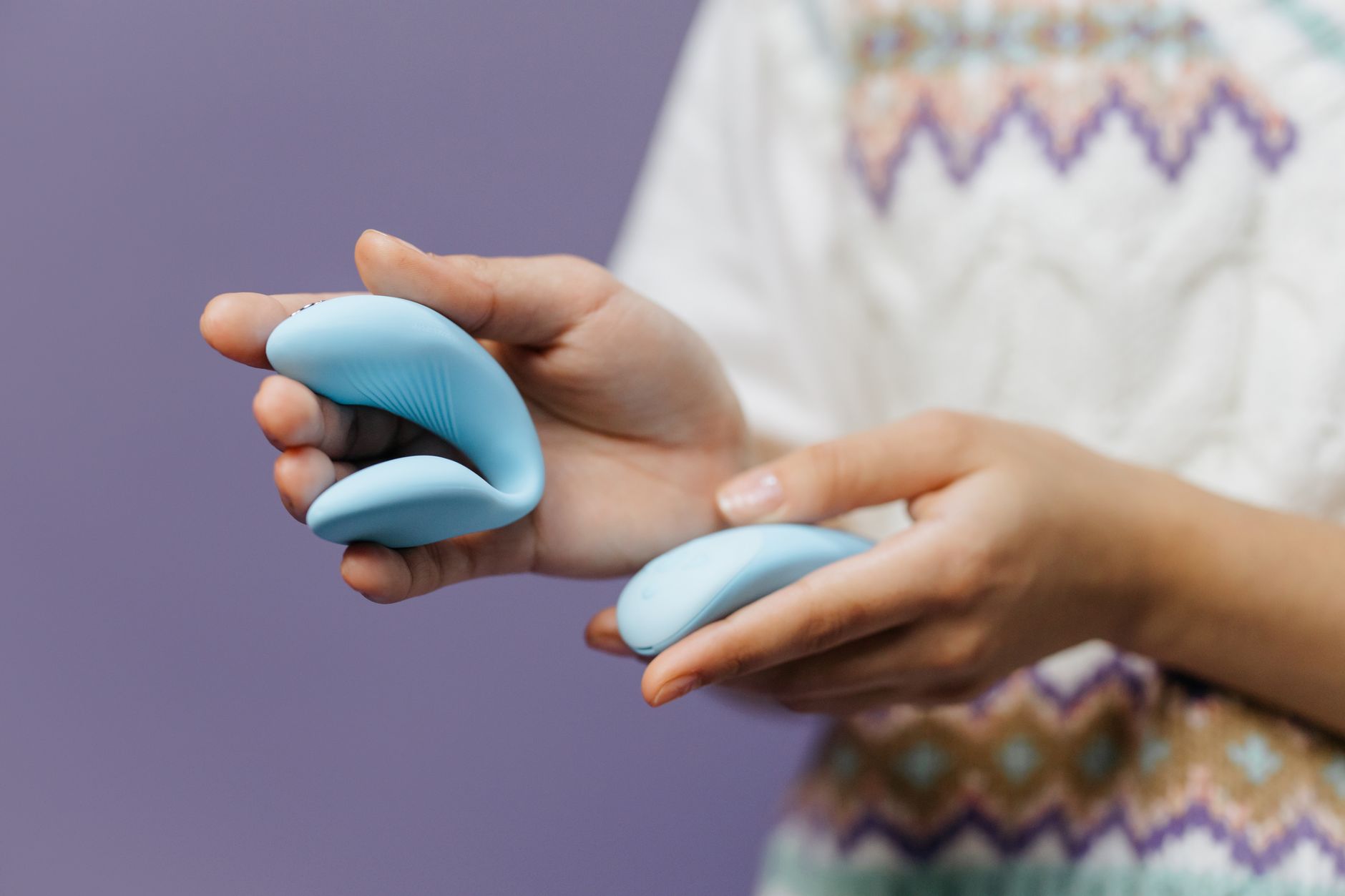
The Lem uses gentle suction rather than direct vibration. That matters because post-illness bodies often have heightened sensitivity or reduced tolerance for intensity. Suction creates a broader, gentler stimulation pattern. Your tissues aren't being hammered. Instead, they're being drawn into a rhythm. It feels different from vibration. Many people find it feels more natural, almost like the body is remembering something it already knew.
Second, you can control intensity in a way that matches your energy level. A lemon vibrator has multiple settings. You're not choosing between "off" and "full force." You can start at pattern one and stay there for weeks if you need to. No pressure to progress. No shame in needing less.
Third, the sensation pattern itself. The suction focuses stimulation on the clitoris without the whole-body intensity that can overwhelm a post-illness nervous system. You can feel good without feeling exhausted. That distinction matters more than it sounds.
The timeline: what actually happens when pleasure is returning
Honestly, there's no single timeline. But here's what I see most often, so you know what's normal.
Weeks one through three: you might notice desire appearing and disappearing. Arousal might start, then fade. You might feel nothing. Then feel a spark. This is normal. Your nervous system is learning to switch gears. Don't interpret every fluctuation as a sign you're doing something wrong.
Weeks three through eight: sensation starts becoming more consistent. Some days better than others. You're beginning to feel your body waking up. The urge to test yourself (to see if you "still work") will be strong. Resist it. This is not the time to push.
Weeks eight onward: pleasure starts feeling more like itself. Not the same as before, maybe, but increasingly genuine. This is when people often ask: "Am I better now?" Sometimes yes. Sometimes you're just learning how pleasure works for your body in this chapter.
How to actually use a lemon vibrator when you're rebuilding
First: solo before partnered. If you have someone you'll eventually be intimate with, start alone. Your body needs permission to explore without an audience, without performance pressure, without managing someone else's experience.
Second: set a timer. Not in a rigid way. But give yourself 15 to 20 minutes, max. You're not trying to reach orgasm. You're learning sensation. That's it. If orgasm happens, great. If not, also great. You're gathering data on how your body responds.
Third: start at the lowest setting. Always. Your body might feel ready for more intensity because your brain remembers intensity from before. Your body isn't ready. Trust the body, not the memory.
Fourth: use water-based lubricant even if you don't think you need it. Post-illness bodies sometimes have dryness or sensitivity. Lube isn't about being broken. It's about friction reduction and comfort. Full stop.
Fifth: notice without judgment. Are you feeling more sensation today than last week? Can you stay present for longer? Did a particular pattern or setting feel different? Write it down if you want. Just observe. You're rebuilding a relationship with your body. That takes time.
When to involve your partner (and how)
If you're partnered, integrating them into this process matters. But timing matters more.
Wait until you've spent at least a few weeks exploring alone. You need to know what actually feels good to you before you're managing their presence or needs. This is not romantic selfishness. This is essential groundwork.
When you do involve a partner, tell them: "I'm rebuilding sensation. I don't know what this timeline looks like. I need you to follow my pace, not lead it." Most good partners want to help. They just need clarity on what help actually looks like. Patience is help. Curiosity without pressure is help.
Consider having them simply be present while you use a lemon vibrator. Not doing anything. Not performing. Just existing nearby while you explore. This builds comfort with intimacy without the pressure of performance.
The emotional piece (which is just as important as the physical)
Your body has been through something. It might feel unfamiliar, unreliable, or even like a betrayal. That's real. Pleasure is also not selfish. It's not indulgent. It's literally part of healing. Your nervous system recalibrates through pleasure in ways nothing else can replicate.
If you feel guilt about wanting pleasure while you're still recovering, sit with it. Guilt is just fear wearing a different mask. You're afraid you'll push too hard, or damage yourself, or be selfish, or admit you're not as sick as you thought. All of that is understandable. None of it means you shouldn't explore what feels good.
If you feel grief, that's also normal. You might grieve the pleasure you had before. The spontaneity. The ease. That grief is real and separate from this new experience. You can honor both.
What happens if sensation isn't returning as fast as you hoped
I get this question often. "It's been three months and I still don't feel much. Is something wrong?"
Maybe. But more likely, your body is just slower than you expected. Some illnesses have longer recovery arcs for pleasure than others. Certain medications genuinely suppress sensation. Fatigue can make arousal feel impossible. These are all things to discuss with your doctor. But they're not your fault, and they're not permanent.
In the meantime, keep showing up for yourself without expectation. Some of the most profound pleasure rebuilding happens in bodies that took the longest to wake up. The appreciation is different. The patience you learned with yourself translates into deeper connection.
FAQ: Rebuilding pleasure after illness
Is it normal for arousal to feel completely absent for this long after illness?
Yes. Arousal is one of the first things to go during illness and often the last to fully return. Your nervous system was focused on survival. Shifting it back to pleasure takes time. That said, if it's been six months or longer with zero change, mention it to your doctor. Medication interactions, hormonal shifts, or residual inflammation might need addressing.
Can I damage myself by using a lemon vibrator too soon after illness?
Unlikely, if you use the lowest settings and go slowly. A gentle lemon clitoral vibrator is designed for sustained, low-intensity stimulation. The biggest risk is emotional, not physical. If you push too hard and feel exhausted or setback the next day, you've given your nervous system evidence that pleasure isn't safe yet. Go slower. Your body will tell you when it's ready.
Should I wait until I feel "fully healed" before rebuilding intimacy?
No. You might never feel fully healed in the way you imagined. Pleasure is part of healing. It helps your nervous system recalibrate. It reminds you that your body is capable of good things, not just survival. You don't need permission from your illness to start exploring sensation.
What if my partner wants to move faster than I do?
Tell them clearly. "My body is rebuilding. I need you to match my pace." If they can't or won't, that's information about your relationship that might need a bigger conversation. A good partner understands that their pleasure, right now, is less important than your healing. If that feels unreasonable to them, they might need a conversation with a therapist about their own stuff.
Does sensitivity ever return to normal after chronic illness?
Depends on the illness and your definition of "normal." For many people, sensitivity returns to baseline after a few months of consistent exploration. For others, it becomes the new baseline. Neither is wrong. You're building a new normal. That takes grieving sometimes. It also often comes with unexpected benefits. People often discover deeper, more nuanced pleasure in post-illness bodies than they had before.
How do I know if I'm pushing too hard?
You're pushing too hard if the next day you feel fatigued, sore, or emotionally flooded. You're at the right pace if you feel slightly energized afterward and slightly more curious about sensation the next day. Your body will tell you. Listen to it.