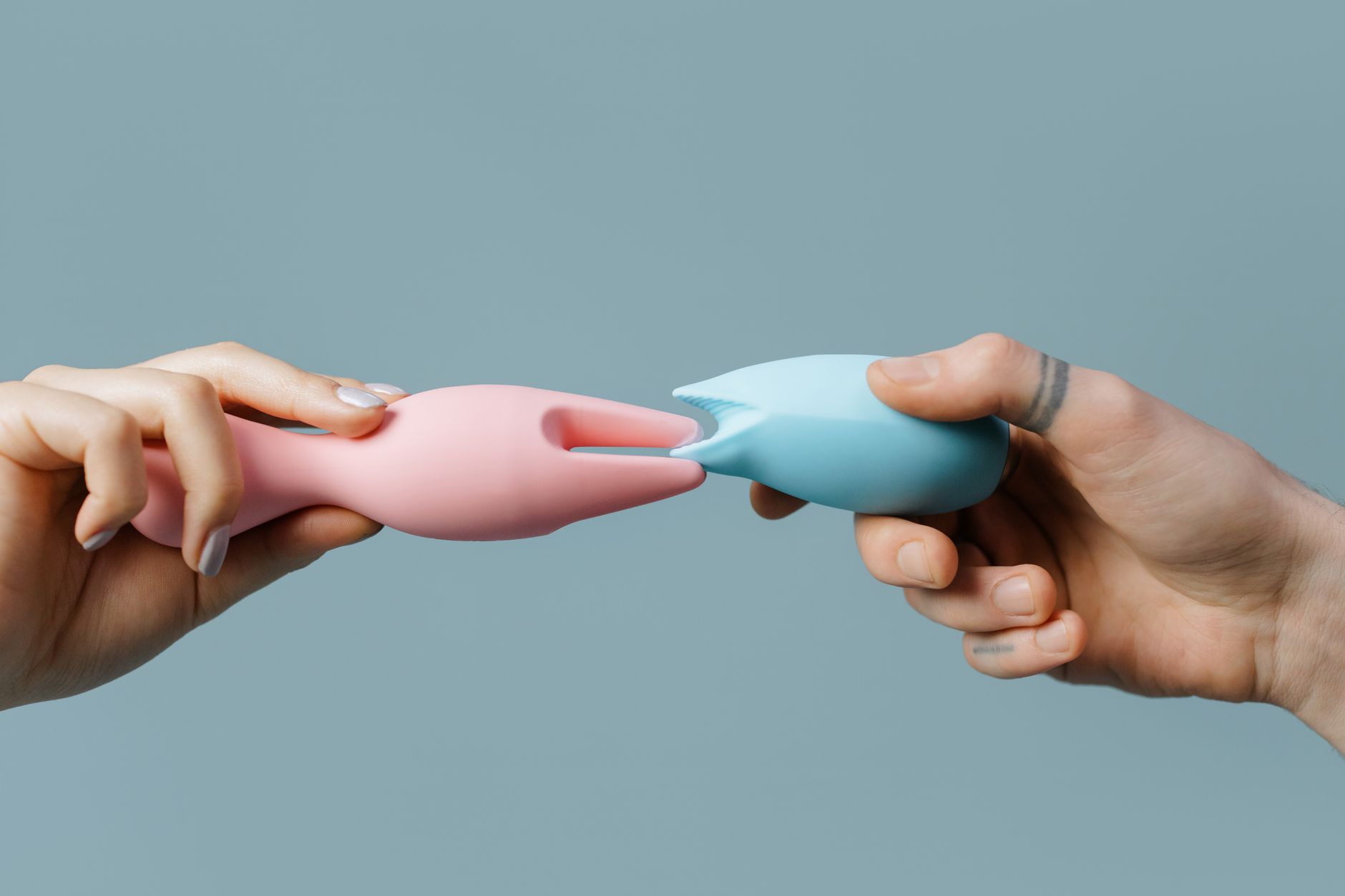
When your antidepressant feels like it turned off the lights
Let's be real. You took the medication because you needed it. Your depression was real. The relief was real. And then, somewhere around week three or four, you noticed something else had flatlined. Your desire. Your sensation. The ability to feel pleasure from things that used to light you up. If that includes sex, you're not alone. Twenty to thirty percent of people on SSRIs report significant sexual side effects. The number is probably higher. People don't always volunteer that part.
Here's what actually happens, and why a lemon clitoral vibrator can help you dig your way back out.
Why antidepressants flatten sensation in the first place
SSRIs (selective serotonin reuptake inhibitors) work by increasing serotonin availability in your brain. They're wildly effective at that. But serotonin receptors sit everywhere. Your brain, yes. Your genitals, too. Your entire nervous system runs on neurotransmitters, and SSRIs don't just increase serotonin where depression lives. They increase it everywhere. That's why some people feel more emotionally stable but physically numb. Your body is still there. You're just not receiving the signal.
Orgasms require a certain threshold of sensation to build. When that threshold climbs, orgasm can become impossible. Desire itself often drops because anticipation of pleasure doesn't fire the way it used to. Your brain gets the memo that reward is harder to access, so it stops bothering to signal "go looking for it."
This is not laziness. This is neurobiology.
The paradox: your mental health is better, but your sex life feels abandoned
This is where most people get stuck. Depression was killing your pleasure too. You couldn't feel joy, couldn't feel anything. Taking the pill fixed that. But it turned out the pill fixed too much. You're no longer drowning, but you're numb. That's an improvement, technically. It doesn't feel like one.
Many people respond by either quitting their antidepressant (which can trigger withdrawal and relapse) or accepting that pleasure is gone for now. Neither is necessary.
How a lemon vibrator bypasses the sensation barrier
A lemon clitoral vibrator like the Lemon works differently than penetration or manual stimulation. It uses rapid, focused air-pulse suction stimulation on the clitoris. Here's why that matters when you're on SSRIs.
First, intensity. Air suction delivers stimulation at frequencies and pressures that hand motion or even traditional vibration often can't reach. When your baseline sensation is muted, you need a signal strong enough to cut through. Suction does that without pain or rawness.
Second, consistency. A toy doesn't get tired or distracted. It doesn't wait for you to climax on a timeline that makes sense to your partner. It just keeps signaling until your nervous system wakes up enough to answer.
Third, psychology. When you know you can access pleasure, your brain starts looking for it again. Even if you don't climax the first five times you try, your brain registers "sensation is possible here." That resets the anticipation loop. Your desire might start climbing before your body fully cooperates.
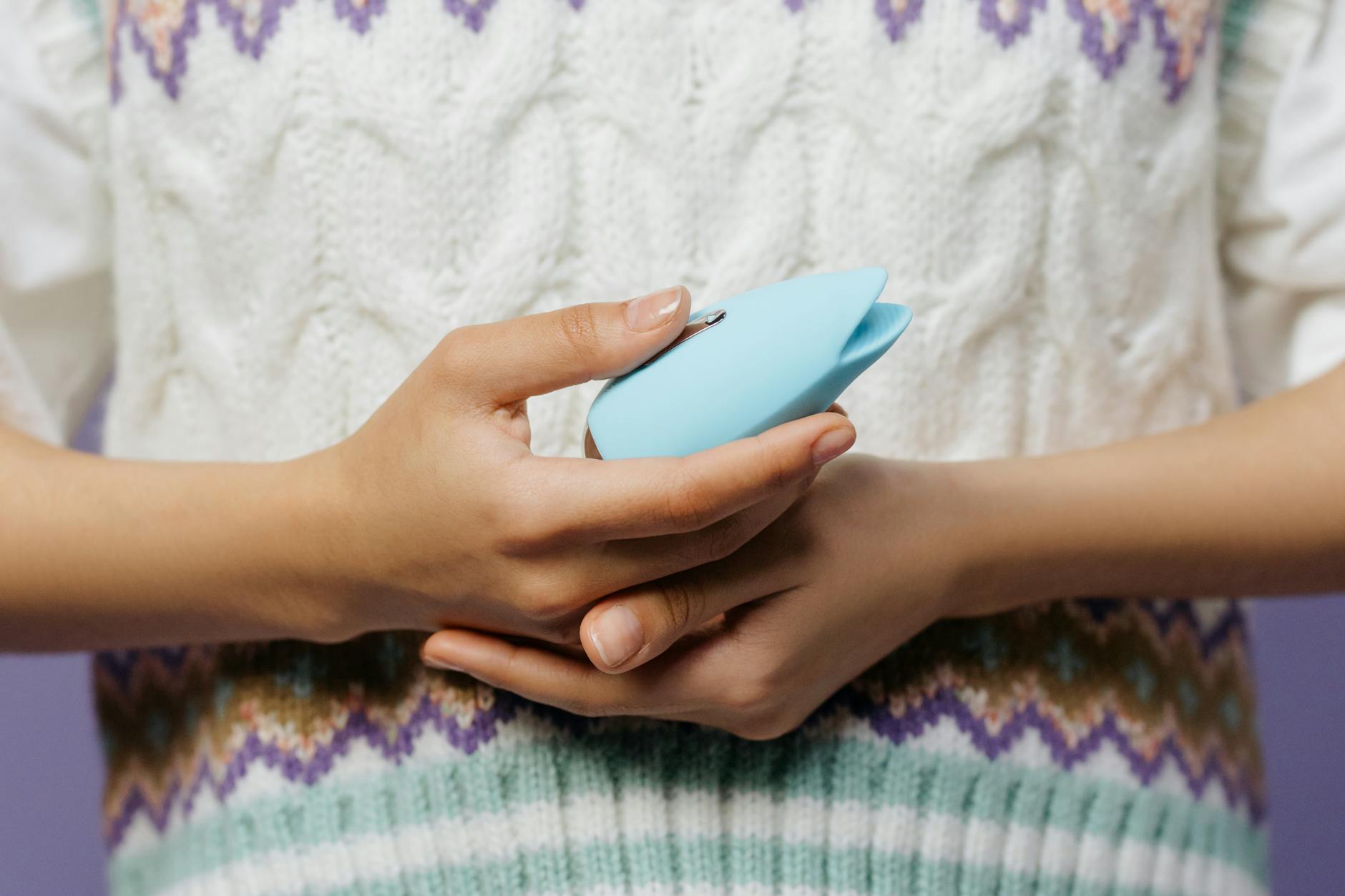
Photo by cottonbro studio on Pexels
Practical steps to rebuild sensation
Start with zero expectations. The goal right now is not orgasm. The goal is sensation. Can you feel the toy? Can you tell the difference between patterns one and three? That's a win. That's your nervous system coming back online.
Use patterns, not speeds. A lot of people think intensity means "turn it up to ten." On an SSRI, you might need the textured pulse patterns instead. The Lemon has multiple patterns that vary the rhythm of the suction. Patterns can feel more novel to your nervous system than sheer speed. Try each one. Stay on pattern two for two minutes. Switch to pattern five. Let your body learn the landscape again.
Warm up differently. If mental arousal doesn't kick in (common on SSRIs), don't wait for it. Set a timer for ten minutes of direct stimulation before you expect desire to show up. Think of it like stretching before a run. Your body needs the physical priming. Your emotions can follow.
Extend the timeline. Pleasure that used to take five minutes might take twenty. Budget that time. Don't treat it as "still not working." Treat it as "my nervous system is learning a new baseline." Every session retrains your brain.
Lubricate. When SSRIs flatten sensation, genital sensation flattens first. Water-based lube isn't a luxury here. It reduces friction in a way that lets the suction do the signaling instead of your body struggling with physical resistance.
The conversation with your prescriber matters
If your antidepressant side effects are severe, your doctor might adjust your dose, switch your medication, or add something else. Buspar, for example, sometimes counteracts SSRI sexual side effects. Wellbutrin (bupropion) has a lower sexual side-effect profile than many SSRIs. These are conversations worth having.
But also don't assume you need a medication change. Many people rebuild pleasure on the same dose with time, exploration, and the right tools. A lemon clitoral vibrator is one of those tools.
The thing nobody tells you about pleasure recovery
Sensation comes back in stages. First, you feel the toy. Then you feel pleasure from the toy, but not desire beforehand. Then anticipation starts creeping back. Then you climax, but it's different (usually more intense, more concentrated). Then it feels like pleasure again. That full arc might take three months or six months. It's not linear.
During that time, you're essentially retraining your nervous system. Every time you deliberately pursue sensation, you're telling your brain that pleasure is worth chasing again. That's the work.
Why this matters beyond sex
Pleasure recovery isn't a luxury. Pleasure is how your nervous system signals that something is worth doing, worth caring about, worth pursuing. When SSRIs flatten that signal, people report that nothing feels as interesting as it used to. Hobbies don't hit. Food doesn't taste as good. Jokes aren't funny. That flattening is real, and it's separate from depression. You can have beaten depression and still be stuck in anhedonia, which is the formal word for the numbness.
Rewiring pleasure, including sexual pleasure, isn't superficial. It's part of being fully alive again. You deserve that. Your nervous system deserves to remember what it feels like to want something.
FAQ
How long does it take to feel sensation again after starting SSRIs?
It varies wildly. Some people notice changes within two to three weeks. Others take three months. The good news is that the numbness isn't permanent, even if your antidepressant dosage stays the same. Your body gradually adapts. Deliberately using a lemon clitoral vibrator accelerates that adaptation because you're actively signaling your nervous system that sensation is possible.
Can I still have orgasms on SSRIs, or does pleasure become impossible?
Orgasms are still possible for most people on SSRIs. They might take longer, feel different (sometimes more subtle, sometimes more intense), or require more deliberate stimulation. That's not impossible. It's just a different route to the same destination. Many people describe post-SSRI orgasms as deeper or more full-body than before. Your brain chemistry has shifted, so the experience shifts too.
Should I stop my antidepressant if it's affecting my sex drive?
No. Your mental health comes first. Depression itself tanks sex drive and pleasure just as much as the pill does. The solution is not to quit your medication. It's to address the side effect while staying on the medication that's helping you. Talk to your prescriber about options. They have several. Many people find that combining a lower dose, a different medication, or targeted pleasure work (like using a lemon vibrator) gets them back to a functional place.
Can a lemon vibrator help if I'm completely numb, like I feel nothing?
Yes. Clitoral suction vibrators are designed to deliver sensation at frequencies your nervous system can still register, even when you're on SSRIs. You might not feel anticipation or desire yet. But you can feel the stimulation itself. That's the entry point. Sensation builds from there. Give yourself at least two weeks of consistent use before you decide it's not working.
Does using a toy make sex with my partner feel disconnected?
Not inherently. In fact, using a toy like a lemon vibrator during partner sex often strengthens connection because both of you get to see pleasure come back. Your partner gets to participate in that recovery. Many people find that exploring solo first with a vibrator actually gives them language and understanding to communicate what they need with a partner. You learn your body. You teach your partner. That's intimacy.
Is there a dose of SSRI where sexual side effects go away on their own?
Sometimes. Some people find that after three to six months on the same dose, their nervous system adapts and sensation returns partially. Others plateau at a certain level of numbness. Your prescriber can help you figure out if time alone will help or if a dose adjustment or medication switch makes sense. While you're waiting to see, a lemon vibrator gives you agency. You're not just waiting. You're actively rebuilding sensation.
The path back to pleasure starts with permission
You needed your antidepressant. It saved your mental health. And it's okay that it also took something from you. It's okay to want that back. It's not selfish. It's not shallow. Sexual pleasure, desire, and sensation are part of being alive. Your nervous system is capable of recovering. Your brain is capable of relearning that pleasure matters. A lemon clitoral vibrator is a tool that helps you get there faster. You've already done the hardest part. You got yourself to a place where you can heal. Now you get to feel it.