Let's be real about menopause and pleasure
Menopause changes how your body responds to touch. Vaginal tissue thins, lubrication decreases, and the overall arousal response slows down. But here's what nobody tells you: those changes don't mean the end of sensation. They mean a different kind of sensation. And for many people, it's actually better.
The clitoris doesn't stop working during menopause. It's still densely packed with nerve endings. What changes is the surrounding environment. The tissue gets more delicate. Blood flow patterns shift. Your body needs a slightly different approach to reach the same level of intensity you used to enjoy. A lemon clitoral vibrator, with its precision suction technology, is perfectly suited to work with these changes rather than against them.
How estrogen affects clitoral response
Estrogen does three major things for clitoral sensitivity and function. First, it keeps the vulvar tissue thick and well-hydrated. Second, it supports blood flow to the area, which fuels arousal. Third, it maintains the flexibility and elasticity of tissue surrounding the clitoris.
When estrogen drops during perimenopause and menopause, that tissue becomes thinner and more fragile. The clitoral hood may shrink slightly. Blood vessel walls become less flexible. This sounds like bad news, but it's actually just a recalibration.
The clitoral body itself—the internal wishbone structure—doesn't shrink or lose sensitivity. The issue is that the surface tissue is now more sensitive to direct friction. Traditional vibrators that buzz directly against the clitoris can feel too intense, too sharp, almost uncomfortable. That's where the lemon vibrator's suction design matters. Instead of vibrating against tissue, it gently pulls and releases. It's a fundamentally different kind of stimulation that works brilliantly with menopausal anatomy.
Why suction works better during menopause
Most clitoral vibrators create sensation through rapid up-and-down or side-to-side movement. They stimulate through friction. A lemon suction vibrator stimulates through rhythmic pressure changes. You place it over the clitoris, and it creates a gentle seal that pulsates.
This approach has three advantages during menopause. First, it doesn't require direct contact with sensitive tissue. The sensation travels deeper into the clitoral structure rather than staying at the surface. Second, it's more forgiving if you're dealing with any discomfort or dryness. The seal actually prevents the dehydrating effect of friction. Third, it tends to create a different quality of orgasm. Many people report that suction orgasms feel more diffuse, more full-body, less concentrated in a single point.
If you've been using a traditional vibrator and it's started feeling too intense or uncomfortable, switching to a lemon vibrator is often the missing piece.
Lubrication becomes non-negotiable
You might have used lube rarely before menopause. You might even have felt a little self-conscious about needing it. Forget that. During menopause, lubrication is simply part of the equation. It's not a sign that something's wrong. It's a practical tool.
Water-based lubricants are your friend here. Silicone-based lubes feel gorgeous and stay slick longer, but they can degrade silicone toys over time. Water-based lubes are compatible with all materials, easy to reapply, and actually helpful for very sensitive tissue.
Apply lube generously before you start. This does two things. First, it protects your tissue from any friction that might occur. Second, it helps the lemon vibrator maintain its seal more effectively. The lube acts as a bridge between the device and your body.
One note: if you're experiencing pain during sex or significant dryness that's affecting your quality of life, talk to a doctor. Vaginal atrophy (genitourinary syndrome of menopause) is real and treatable. A topical estrogen cream or vaginal moisturizer can make a world of difference. A lemon vibrator works wonderfully alongside medical treatment, not instead of it.
Pacing and warm-up time matter more now
Before menopause, you might have gotten to peak arousal in five minutes. During menopause, plan for 15 to 20 minutes. This isn't a flaw. It's actually an opportunity.
Take time to warm up your body before you touch the lemon vibrator. Spend a few minutes on non-genital touch. Massage your breasts, your thighs, your lower belly. Notice what feels good. This slow start builds arousal gradually and gives your nervous system time to settle. It also increases blood flow to your clitoris before you use the device.
When you do turn on the lemon vibrator, start on the lowest setting. Most good clitoral vibrators have multiple patterns or intensities. Begin at setting one or two. This lets you gauge how your body's responding today. Some days your tissue will feel more sensitive than others. Some days you'll want to jump to a higher intensity. By starting low, you have room to move up if you need it.
The warm-up phase also does something psychological. It gives your brain time to catch up with your body. Arousal isn't just physical. It's mental too. Rushing that process often means you reach orgasm with less intensity and satisfaction. Slowing down actually amplifies the experience.
Technique adjustments for sensitive tissue
With a lemon vibrator, you're not thrusting or pressing. You're creating a seal and letting the suction do the work. But there are still small technique shifts that matter during menopause.
Hold the device gently. You don't need to press hard. The seal will work with light contact. Heavy pressure can feel uncomfortable on delicate tissue and might even reduce sensation because you're changing the seal dynamic.
Experiment with slight angle changes. The clitoris isn't a flat target. It's a complex structure with a sensitive glans and internal legs. Moving the vibrator slightly up, down, or to the side can hit different parts of that structure. During menopause, you might find that certain angles create more pleasurable sensation than others. Spend time exploring.
If the suction ever feels too intense, reduce the pressure or lower the intensity setting. There's no prize for enduring discomfort. The goal is pleasure, and pleasure during menopause often means being willing to adjust your approach.
Some people find that alternating between the lemon vibrator and hand stimulation creates the best experience. Use the device for a few minutes, set it aside, use your fingers, then come back to the vibrator. This variety can prevent overstimulation and keeps sensation fresh.
When to reach out for additional support
If you're experiencing pain during any sexual activity—not just discomfort, but actual pain—talk to your doctor. Pain during menopause is common and almost always treatable. Vaginal atrophy responds well to topical estrogen or DHEA treatments. Pelvic floor tension can improve with physical therapy. You don't have to work around pain.
If you've lost desire entirely and it's not coming back with a little exploration and a different device, that's worth discussing too. Sometimes hormone therapy helps. Sometimes it's about addressing other life stressors. Sometimes it's simply about reconnecting with your body and what turns you on now, at this stage of your life.
If you're using hormonal contraception or hormone replacement therapy, none of that changes how a lemon vibrator works. But if you're starting HRT, give yourself a few weeks to notice how your body responds before assuming you need to change techniques. Hormones take time to build in your system.
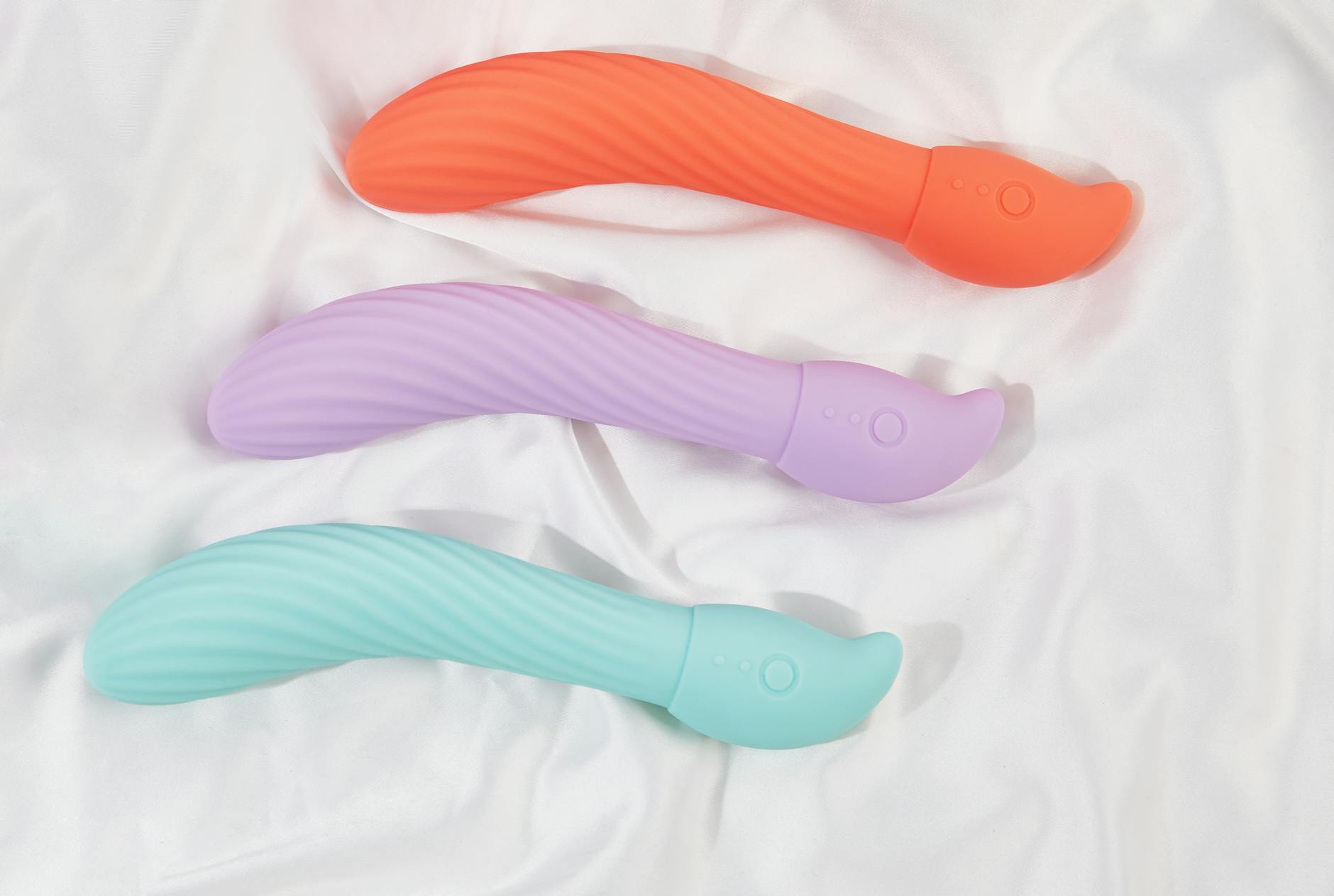
Photo by IFONNX Toys on Pexels
Building the mental piece alongside the physical
Menopause brings a lot of noise. Hot flashes, sleep disruption, mood shifts, body changes. It's easy to internalize the message that sexuality is fading alongside your fertility. That's culturally true but biologically false.
The clitoris doesn't age out of function. Your capacity for pleasure doesn't have an expiration date. What changes is context. You might have fewer distractions. You might have more clarity about what you actually want versus what you thought you should want. You might have decades of experience understanding your own body.
Using a lemon vibrator during menopause isn't a workaround for lost youth. It's an intentional choice about how you want to experience pleasure right now. That shift in perspective—from