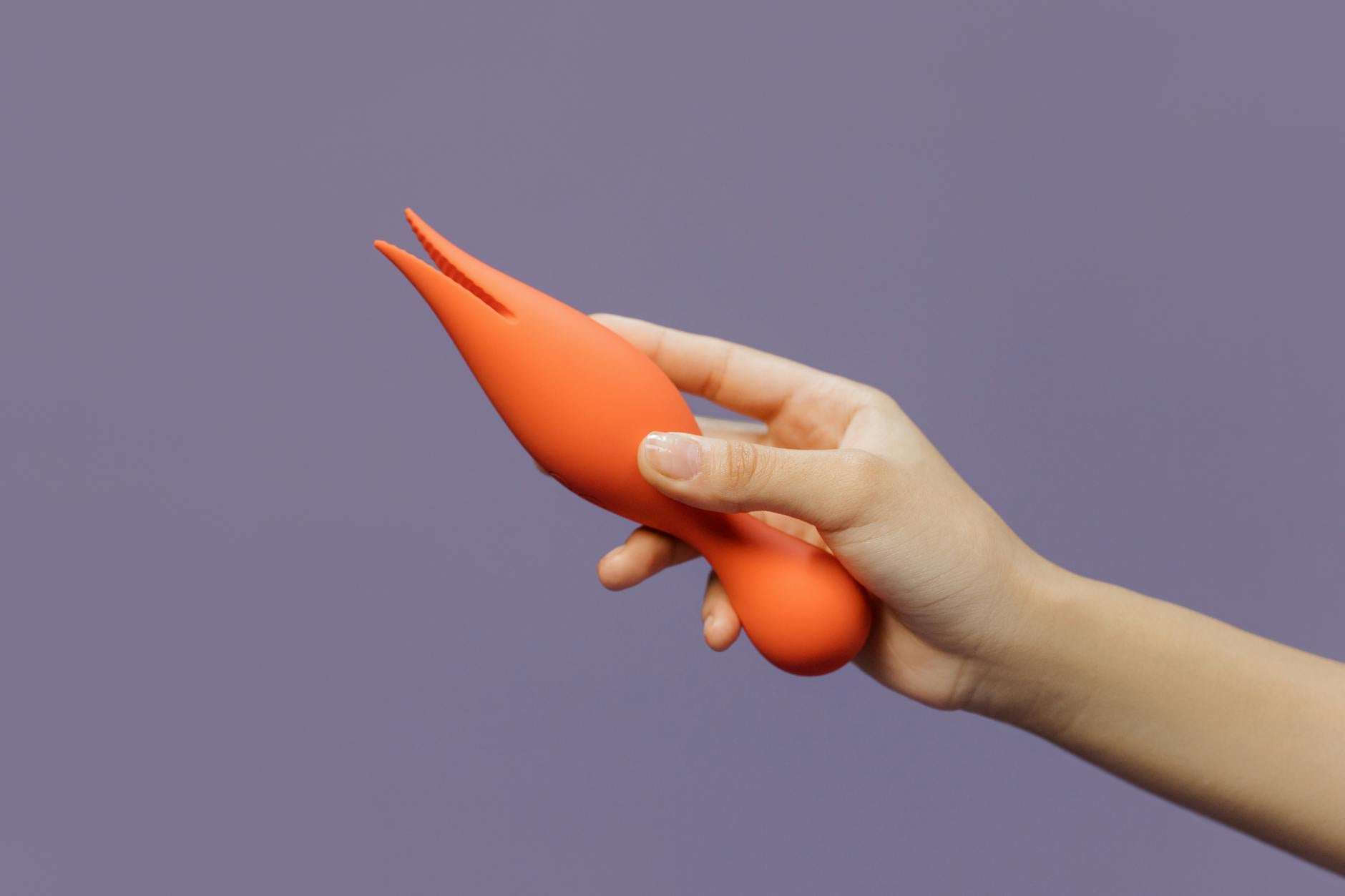
Let's talk about what nobody prepares you for
You've done the work. Physical therapy, breathing exercises, pelvic floor retraining, patience you didn't know you had. Your practitioner cleared you. And now there's this weird gap: you're physically healed, but the idea of pleasure feels almost foreign. You're not broken anymore, but you're not exactly confident either. That's normal. That's actually the moment this guide is for.
Pelvic floor dysfunction steals more than sensation. It steals permission. Reintroducing pleasure after healing isn't just about the physical mechanics. It's about rebuilding trust in your body and reclaiming something that was taken from you.
Why your pelvic floor mattered in the first place
Your pelvic floor is a sling of muscles supporting your bladder, uterus, and bowel. When it's tight, weak, or in spasm, sexual pleasure takes a hit because tension blocks blood flow and neural signaling. That tightness also creates the anticipatory fear that it'll hurt again, which itself creates more tension. It's a feedback loop that's weirdly hard to break on your own.
Pelvic floor dysfunction is incredibly common. Studies suggest it affects 1 in 4 people with vulvas at some point. The isolation of thinking you're the only one dealing with this? That's often the real problem, not the dysfunction itself.
Once you've completed physical therapy and your practitioner has given you the green light, the nervous system still needs time to reset. Your brain learned that this area equals danger. Pleasure requires your brain to learn the opposite.
Why a lemon vibrator works better during recovery
Here's the thing about traditional vibrators during pelvic floor recovery: they're often too intense, too fast, too much sensation all at once. Your nervous system is already hypervigilant. Adding aggressive stimulation can feel like triggering the fear response all over again.
Lemon vibrators, particularly models like the Lem, use suction and gentler pulsing rather than raw vibration power. This matters during recovery because suction creates a broader, shallower sensation across the vulva rather than a concentrated point of stimulation. It's less likely to trigger pelvic floor guarding, which is that involuntary muscle clench that says "no thank you" before your brain even gets involved.
The suction mechanism also improves blood flow gradually, which supports healing and reawakens nerve sensitivity without shocking the system. It's less about intensity and more about intelligent sensation.
Additionally, lemon clitoral vibrators are typically intuitive and single-function. You're not juggling patterns, modes, or figuring out control schemes while you're trying to rebuild confidence in your body. Simplicity matters when you're anxious.
The timeline for reintroduction
Here's a framework that works for most people, though your physical therapist's advice overrides everything:
Weeks 1-2 after clearance. Solo exploration without any device. Hands only, low pressure, no time limit. The goal is reconnection, not orgasm. Notice what feels good without judgment. Some days that's 10 seconds. Some days it's 20 minutes. Both are fine.
Weeks 3-4. Introduce external touch very gradually. A lemon vibrator on the lowest setting, over your underwear first. No penetration, no clitoral contact yet. Just the sensation of the device near the area. This is about your nervous system recognizing that this object isn't a threat.
Weeks 5-6. Direct clitoral contact on the lowest setting. Still short sessions. 5 to 15 minutes. Your goal is sensation, not completion. If you orgasm, great. If you don't, that's also fine.
Weeks 7+. Build up gradually. Longer sessions, slightly higher intensities as tolerated. Notice if your pelvic floor is still guarding. If it is, back off and try again in a few days.
This timeline isn't universal. Some people need longer. Some are comfortable moving faster. The point is: no rushing. Recovery isn't linear, and your body will tell you what it needs if you listen.
How to actually use a lemon vibrator safely during recovery
Start with lubrication. Even if your body is producing lubrication, add more. Water-based lube reduces friction and makes the suction sensation feel smoother rather than grabby. This is especially true if pelvic floor dysfunction came with vulvar irritation or dryness.
Position matters more than you'd think. Lying on your back with a pillow under your hips creates space and reduces pelvic floor tension. Sitting can sometimes trigger that automatic clenching. Find what feels open and relaxed for your body.
Use the lowest setting first. If your lemon vibrator has multiple intensities, start at pattern one. Lem vibrators typically have gentle suction options designed exactly for this kind of reintroduction. The goal is sensation, not intensity.
Keep sessions short initially. Fifteen minutes is plenty. You're not trying to reach a destination. You're gathering information about what your body can do now that it's healed.
Pair it with breathwork. If you notice your pelvic floor tensing up, pause the vibrator and breathe. In for four counts, hold for four, out for six. This activates your parasympathetic nervous system, which is the opposite of the fight-or-flight tension that pelvic floor dysfunction creates.
Expect inconsistency. Some days your body will be ready. Some days it won't. Stress, sleep, hydration, and your menstrual cycle all affect nerve sensitivity and muscle tension. A day where you can't seem to feel much isn't failure. It's information.
The emotional side of reintroduction
Pelvic floor dysfunction often arrives with shame. You couldn't do something your body used to do. Sex became a source of anxiety instead of pleasure. That psychological layer doesn't disappear when your muscles finally relax.
Rebuilding confidence means separating the idea of "success" from reaching orgasm. For several weeks, orgasm shouldn't be the goal. Comfort should be. Connection should be. The ability to touch yourself without fear should be.
If you have a partner, this is a conversation worth having. Not during intimate time, but before. Something like: "I'm ready to start exploring pleasure again. This is going to be slow and might feel different. I need you to follow my lead." A partner who rushes, pressures, or treats your recovery as a problem to solve quickly isn't respecting the actual work you've done.
Solo exploration is often easier during recovery because there's no performance pressure. You're not checking in with anyone else's needs. You're just learning what your healed body can do.
When to pause and seek support
If pain returns, stop and contact your physical therapist. Pain isn't something to push through. It's feedback.
If you're experiencing significant anxiety around touch or a return of pelvic floor guarding even weeks into recovery, consider talking to a pelvic floor specialist who also has mental health training. The mind-body connection is real, and sometimes talk therapy is part of the physical healing.
If you're not seeing any progress after 8 weeks of gentle reintroduction, that's worth flagging to your PT as well. Most people regain comfortable sensation within that window, but some need longer, and that's okay too.
FAQ
Can I use a lemon vibrator immediately after pelvic floor physical therapy clearance?
Not typically. Even with clearance, your nervous system is still recalibrating. Give yourself 1 to 2 weeks of hand-only exploration first. This helps your brain distinguish between the sensation of healing and the fear response that kept you guarded in the first place. Jumping straight to a device can feel like retraumatization, even though it's not actually harmful.
Will using a lemon vibrator make my pelvic floor dysfunction come back?
No. If you're gently reintroducing sensation and your pelvic floor isn't actively tensing, a lemon vibrator won't cause regression. However, if you're using it in a way that triggers guarding—too much intensity too fast, or using it while anxious—that tension might feel familiar and scary. That's not dysfunction returning. That's just your nervous system's old protective pattern. Pause, breathe, and try again in a few days.
What's the difference between a lemon vibrator and a regular clitoral vibrator during recovery?
Regular vibrators tend to be higher intensity and provide sharp, focused stimulation. Lemon sexual toys use suction, which is broader and gentler. During recovery, gentler is almost always better because you're rebuilding trust, not chasing sensation. Once you're further along, you might actually prefer higher intensity. But starting with a lemon vibrator or similar suction toy reduces the risk of retraumatizing your nervous system.
How long will it take before pleasure feels "normal" again?
That depends on how severe your dysfunction was and how long you had it. Most people report feeling genuinely comfortable and confident again within 8 to 12 weeks of steady, gentle reintroduction. Some take longer. The word "normal" might not even apply. Many people find that rebuilding pleasure after pelvic floor issues leads to deeper, more intentional connection to their body than they had before.
Should I tell my physical therapist I'm using a lemon vibrator?
Yes. Not because it's wrong, but because your PT can give you specific guidance based on your case. They might suggest certain patterns, intensities, or timing that supports your continued healing. A good PT wants you to have pleasure. Telling them means you get better support.
Can pelvic floor dysfunction affect pleasure permanently?
No. Healing is always possible, even if it takes longer than you'd like. The nervous system is plastic, which means it can literally rewire itself. Your body can learn to feel good again. That's not inspirational nonsense. That's neuroscience.
The recovery is the easy part. The reintroduction is where you actually win.
Your pelvic floor healed. That's the physical victory. But pleasure is where the real reclamation happens. Using a tool like a lemon vibrator thoughtfully, on your own timeline, with patience for the pace your body needs—that's how you take back something that felt stolen. Start slow. Trust the process. Your body knows how to feel good. It's just remembering.