
Here's the thing nobody tells you about hormonal IUDs
You chose a hormonal IUD because it works. No daily pill, no interruption, and for most people, lighter or nearly absent periods. The trade-off? A significant chunk of people report that their orgasms feel... less. Quieter. Like someone turned the volume down on sensation.
This isn't in your head. It's not you losing interest. It's the copper-free, progestin-releasing device quietly changing your neurochemistry, and for many, that change includes muted clitoral sensitivity.
Why hormonal IUDs dull sensation
A hormonal IUD releases a synthetic progestin directly into your system. Progestin is fantastic at preventing pregnancy because it thickens cervical mucus and suppresses ovulation. But here's the complication: it also affects blood flow to genital tissue and can dampen the sensitivity of nerve endings in the clitoris.
Think of it like this. Your clitoris has about 8,000 nerve endings that communicate with your brain through a finely tuned chain of sensation. Progestin doesn't destroy those nerves. It muffles them. The signal still travels, but it arrives quieter. Arousal takes longer to build. Orgasms, when they come, can feel shallower or require more intense stimulation than before.
This is especially common in the first 3-6 months after insertion, though some people experience it long-term. It's not a sign the IUD is malfunctioning. It's just a neurological side effect that deserves a real solution.
The dopamine and sensation connection
Progestin also lowers baseline dopamine slightly in some people. Dopamine isn't just about motivation. It's essential for the neural cascade that builds arousal and triggers orgasm. If dopamine drops even a little, pleasure feels less vivid. You might notice you need more time, more pressure, or more mental focus to reach climax.
Combine muffled nerve sensitivity with slightly lower dopamine, and you've got a double dampening effect. Your body isn't broken. The pleasure system is just running on a quieter frequency.
This matters because it explains why typical solutions like "more foreplay" or "think sexy thoughts" sometimes don't cut it. Your nervous system literally needs more input to register the same sensation.
How a lemon vibrator recalibrates sensation
A clitoral vibrator like the Lem works because it bypasses the muting. Instead of relying on manual stimulation or your body's baseline sensitivity, a high-frequency vibrator floods your clitoral nerves with input so rapid and intense that even a muffled signal gets amplified.
The Lem uses air-pulsing technology, which means it's generating suction waves rather than simple vibration. That suction is particularly good at cutting through progestin-related numbness because it engages the entire clitoral structure, not just surface nerve endings. It's like turning up the dial on sensation so that even though the baseline is lower, you still cross the threshold into arousal and orgasm.
The frequency of air-pulsion vibrators sits at around 100-180 Hz, which is precisely in the range most people need to feel sensation when hormonal suppression is present. It's not overkill. It's calibrated.
Practical steps to use a lemon vibrator when sensation is muted
Start with the lowest setting. If your clitoris is already muffled by progestin, the urge might be to immediately jump to the strongest pattern. Resist that. Your nerves need time to wake up. Pattern 1 or 2 on most air-pulsing vibrators lets you explore the sensation without overwhelming.
Spend 5-10 minutes here. Notice what you feel. If nothing registers, move up one level. The goal isn't to force an orgasm in five minutes. It's to reestablish that sensory pathway between your clitoris and your brain.
Use plenty of lube. Water-based lubricant makes the seal between the Lem and your body tighter, which intensifies the suction effect. A good seal means the vibrations transmit more clearly to nerve tissue. Without it, you lose half the intensity.
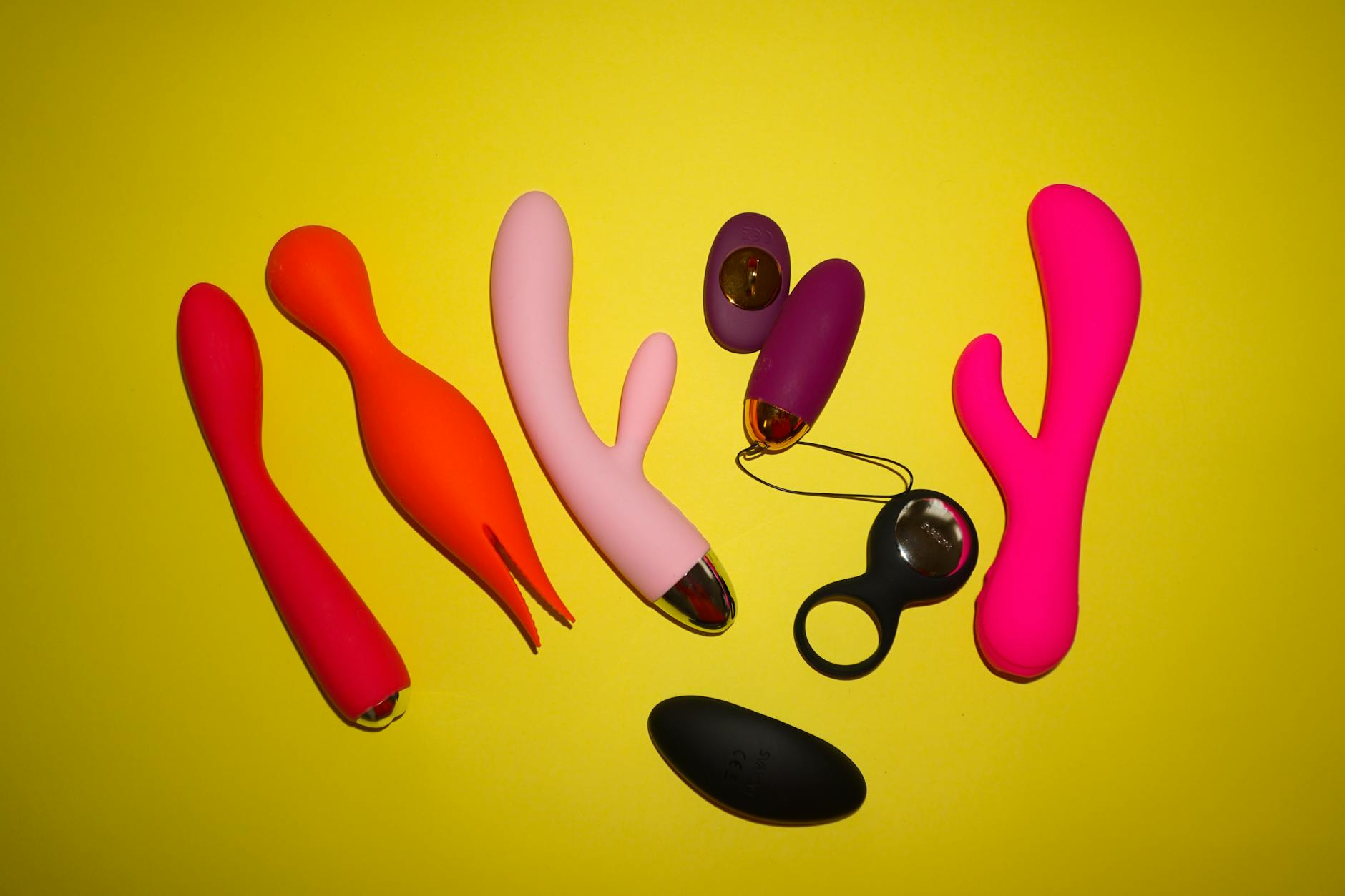 Photo by FounderTips . on Pexels
Build your routine around your cycle, even if it's very light. Hormonal IUDs often suppress menstruation, but trace amounts of hormonal fluctuation still happen. Some people notice that sensation is slightly better mid-cycle, when residual estrogen levels peak. It's subtle, but noticing it helps you troubleshoot.
Give yourself permission to take 15-20 minutes. When sensation is muffled, arousal isn't instantaneous. This isn't a failure of the vibrator or your body. It's just how muted pleasure works. Rushing creates frustration, which tanks arousal further. Slow down. The sensation will come.
What to do if orgasm still feels distant
If you're using a clitoral vibrator regularly and orgasms still feel impossible or extremely faint, talk to your doctor. A small percentage of people have such significant sensation dampening from their IUD that they might benefit from switching methods. That's not weakness. That's honoring your pleasure as part of your health.
Other people find that combining the vibrator with partnered touch helps. The Lem works brilliantly alone. But if you have a partner, them touching other parts of your body (neck, breasts, inner thighs) while you use the vibrator can create a fuller sensory picture that helps arousal build faster.
Some people also discover that working through the numbness takes time. If your IUD is very new (under three months), sensation often improves on its own as your body adjusts. But using a vibrator during that adjustment period accelerates the process and keeps your nervous system engaged with pleasure.
The conversation you might need to have
If you have a partner and you've been quietly struggling with muted sensation since getting your IUD, your partner might think something changed about them or your attraction. It hasn't. But they need to know that sensation is different now, and it's not their fault or yours.
Introducing a lemon vibrator into your solo play or partnered sex is a practical solution. But it also deserves a conversation. "I've noticed my sensation has shifted since the IUD. This vibrator helps me feel more like myself, and I'm excited to explore it together" sets a very different tone than mysteriously bringing toys to bed without explanation.
If desire itself has tanked along with sensation (some people experience both), that's worth mentioning to your doctor too. Sensation dulling and desire dropping sometimes happen together, and it might be worth exploring whether your current method is still the right fit for your body.
People also ask
How long does it take for a lemon clitoral vibrator to help with IUD-related numbness?
Most people notice a difference in their first week of consistent use. The vibration itself creates immediate sensation, but it takes about 2-3 weeks of regular use for your nervous system to start reactivating baseline sensitivity on its own. Think of it like waking up a part of your body that's been quieted. The first shock of sensation is often immediate. The full recovery is gradual.
Can I use a lemon vibrator if I'm nervous about irritation from the IUD?
Absolutely. The IUD sits in your uterus, not your clitoris. A vibrator stimulating your clitoris won't dislodge or irritate your IUD. The only exception is if you're using internal vibration at the same time, but external clitoral vibrators like the Lem are completely safe. If you're worried, mention it to your doctor at your next checkup, but there's no medical reason to avoid them.
Will using a vibrator make sensation numbness worse over time?
No. In fact, it often works the opposite direction. Regular stimulation can help retrain your nervous system to be more responsive. You're not damaging anything. You're actively reengaging sensory pathways that progestin has quieted. It's therapeutic, not harmful.
What if I prefer gentler sensation but still can't feel anything with my IUD?
Try a lower frequency vibrator or an air-pulsing device on its lowest settings, which is usually around 40-60 Hz. The Lem has multiple patterns and intensity levels designed exactly for this. If even the gentlest setting feels like too much, give yourself permission to just use the suction without activating the vibration. Many people find the pressure alone helps sensation register.
Should I remove my IUD if a vibrator isn't restoring sensation?
Not necessarily. Sensation often improves over time as your body adjusts to the hormonal IUD, and using a vibrator accelerates that process. But if after three to six months of regular use you're still feeling completely numb, and it's significantly affecting your quality of life, then yes, talk to your doctor about other options. Your pleasure matters, and so does your birth control. You don't have to sacrifice one for the other.
Can I use a lemon vibrator with a hormonal IUD during partnered sex?
Yes. External clitoral stimulation during partnered sex is one of the best ways to bridge the sensation gap. You might add the vibrator during foreplay, during penetration, or during a blended approach. The vibrator helps your nervous system register pleasure more clearly, and combined with your partner's touch, it creates a richer sensory experience overall. Just make sure your partner understands that introducing the vibrator isn't a reflection on them or your desire for them.
The real issue is communication
A hormonal IUD is reliable, low-maintenance birth control. But that doesn't mean you should silently accept muted pleasure as the cost. Your sensation matters. Your orgasms matter. And tools like a lemon vibrator exist precisely because this is a real, solvable problem.
If you're experiencing sensation dulling since your IUD insertion, you're not alone. Thousands of people using hormonal contraception deal with this. Some adjust naturally. Others find that a clitoral vibrator is exactly the reset button they need to feel pleasure fully again.
The best part? You don't have to choose between effective birth control and good sensation. With the right approach and the right tools, you get both. Need more information about options? We're here to help, and your questions matter to us.