Here's the thing nobody tells you about medication side effects
You take an SSRI because your mental health matters. You take a beta blocker because your heart needs it. You take an antihistamine because you want to breathe. Then one day you realize: nothing feels like anything anymore. Not in a metaphorical way. Literally. Sensation has flatlined.
This is not in your head. It's in your medication.
Medicines that change how your brain uses serotonin, dopamine, or norepinephrine can also change how your genitals respond to touch. Blood pressure medications, certain antihistamines, and hormonal contraceptives do the same thing. The numbness is real, it's chemical, and it's wildly common. What's less common? People talking about it. So you suffer in silence, wondering if pleasure is just gone now, permanently.
It's not. But you'll need a different approach than you used before.
Why medications numb sensation specifically
Your clitoris has roughly 8,000 nerve endings, and they're sensitive to a specific band of stimulation. When SSRIs or blood pressure meds dial down neurotransmitter activity, sensation gets quieter. It doesn't disappear, but it does get filtered, muffled, like you're experiencing pleasure through cotton wool.
Add vaginal dryness (which some medications trigger) and the friction required to feel anything becomes uncomfortable or impossible.
Here's what matters: the nerve endings are still there. The capacity for orgasm is still there. You're not broken. Your current tools just aren't loud enough.
Why lemon vibrators work when other toys don't
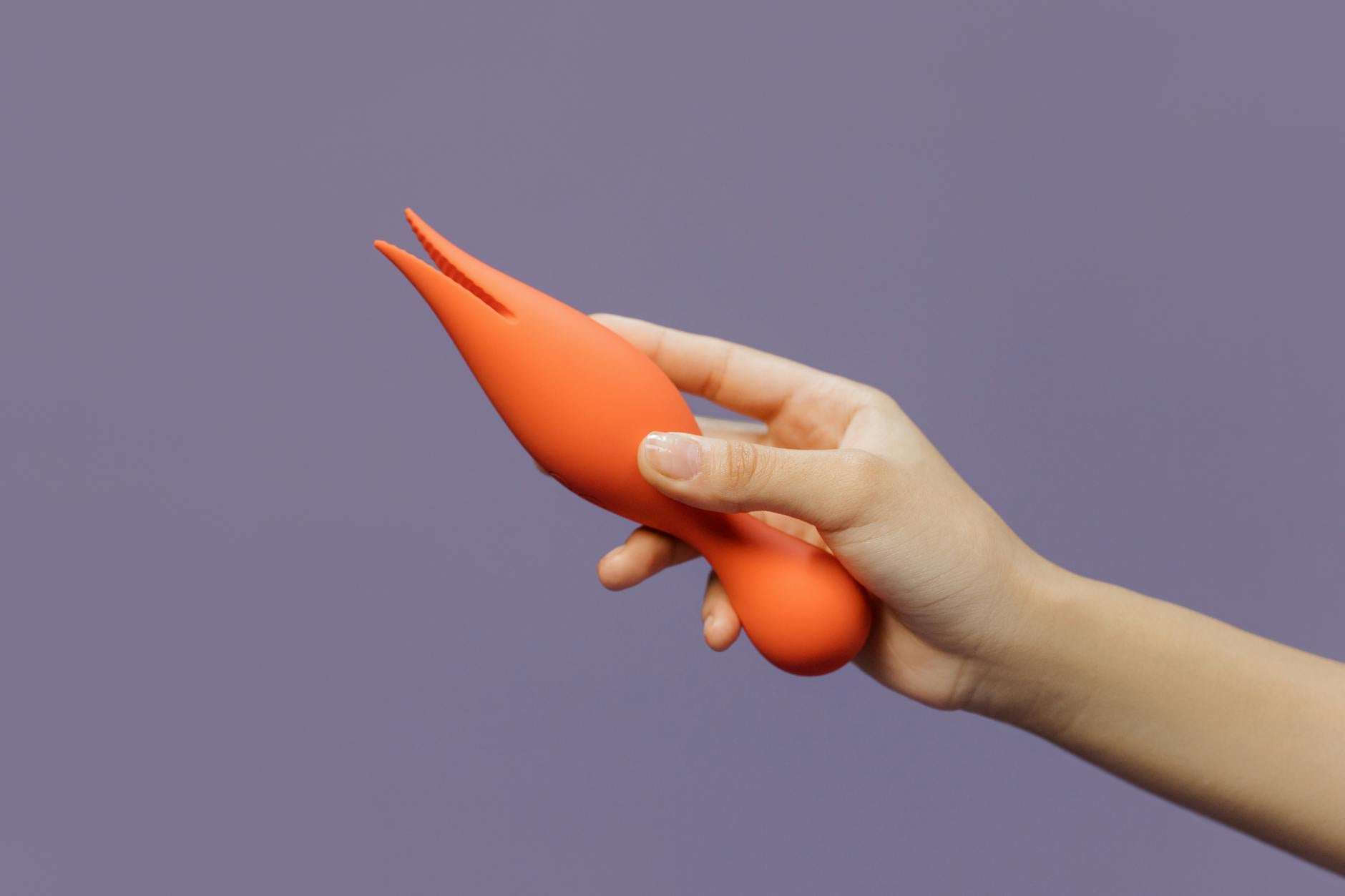
Most vibrators create sensation through rapid vibration or patterns that work fine on sensitive tissue. But when your nervous system is chemically dampened, you need a different frequency. Air-suction toys like the lemon vibrators from Lemnancy Shop work through gentle rhythmic suction rather than direct vibration.
This matters because suction stimulates nerve endings through a different neurological pathway than vibration does. It's like switching from whispering to someone in a noisy room to using a megaphone. The signal gets through the noise.
Clinically, this pattern of stimulation tends to bypass some of the dampening that medications create. People on SSRIs, beta blockers, and antihistamines consistently report that suction-based toys produce sensation when traditional vibrators feel like holding a dead phone against their skin.
The settings that actually work
Start with your lemon vibrator on its lowest suction setting. Not because you're damaged, but because you need to retrain your nervous system to recognize sensation. Your brain has been receiving a quiet signal for weeks or months. It needs time to recognize that the quiet signal is there at all.
Spend three to five sessions at setting 1 or 2, even if nothing happens. You're not training for orgasm yet. You're training for sensation. Notice where you feel the suction. Is it at the clitoral head? More on the shaft? Off to one side? Slow down and stay curious.
Once you feel consistent response at a low setting, increase to setting 3 or 4. This is where most people find their sweet spot on medication. The suction is noticeable but not overwhelming.
One more thing: lubrication. Even if your body makes its own lubricant, add a water-based lube anyway. It reduces friction between the toy and your skin, which means the suction signal gets cleaner. Less noise, more clarity.
The patience piece nobody wants to hear
This takes time. Not because something is wrong with you, but because your nervous system needs to recalibrate. If you've been numb for three months, you might need six weeks to rebuild responsiveness. If you've been numb for a year, expect eight to twelve weeks.
This feels unfair. It is. But trying to force it faster doesn't work. Pushing for an orgasm that isn't coming yet teaches your nervous system to panic about sensation, which makes it even quieter.
Instead, commit to ten to fifteen minute sessions three to four times per week, no performance goal. You're not trying to come. You're noticing what you can feel.
That distinction shifts everything.
When to talk to your doctor
If you're on an SSRI and libido is tanked, your prescriber should know. Not because you're ungrateful for mental health help, but because your doctor has options. Some people respond better to SSRIs that have fewer sexual side effects. Some people benefit from a small dose adjustment. Others add a medication that specifically counters the sexual dampening.
This conversation is uncomfortable, which is why most people skip it. But your doctor has had this conversation dozens of times. They're not going to judge you, and they're not going to take you off your psychiatric medication without your input.
If it's a blood pressure medication or antihistamine causing the issue, the conversation is even more straightforward: there are other options in the same class that don't numb sensation as much.
The point is, medication-induced numbness isn't something you just have to live with. It's a side effect worth discussing with the person who prescribed it.
Building sensation back into partnered pleasure
If you have a partner, this is a good time to hand them this article. Not to make them feel responsible for your sensation returning, but to give them language for what's happening.
Many partners assume that numbness means lack of desire for them. It doesn't. You're not less attracted. Your medication is muffling the volume on sensation. That's completely different.
When you're ready to involve a partner, consider this: they can start by using the lemon vibrator on you while you're lying down, no pressure to come. Let them learn the patterns that work. Let them feel where your body responds.
Then, if you want, you can use the lemon vibrator together. Some people find that the combination of suction stimulation plus partnered touch brings sensation into sharp focus in a way neither one alone does.
Others find that solo use for sensation recovery, then partnered sex once sensation returns, works better. There's no correct order. Listen to what your body needs.
The emotional reset
Before you had medication side effects, pleasure probably felt automatic or at least familiar. Now it feels broken. That loss is real and worth grieving, even though pleasure isn't actually gone.
You might feel anger at your medication for stealing this from you. You might feel disconnected from your body. You might feel defective. None of those feelings are wrong. But they also don't have to be permanent.
Using a lemon vibrator during this recovery isn't just a physical tool. It's also an act of permission. You're telling yourself: my pleasure still matters, even if I have to approach it differently now. Even if the path is longer.
That's not settling. That's wise.
FAQ
Can I still have an orgasm while on medication that numbs sensation?
Yes, absolutely. Orgasm is possible even when sensation feels muted. It just usually takes longer and might feel different than before. Some people describe medication-induced orgasms as quieter or more localized. That doesn't make them less real or less valid. Using a lemon vibrator often amplifies the sensations enough that orgasm becomes accessible again, even on the same medication dose.
How long before I feel improvement?
Most people notice some shift in sensation within two to four weeks of consistent use with an air-suction toy like a lemon vibrator, but true recalibration takes six to twelve weeks. Your nervous system responds to consistency and patience, not intensity. Three to four fifteen-minute sessions per week will show results faster than sporadic longer sessions.
Does switching to a different medication help?
Sometimes. SSRIs vary in their sexual side effects. Some antidepressants like bupropion tend to have fewer effects on libido. But changing medication is a medical decision, not something to do based on sexual side effects alone. If medication-induced numbness is significantly affecting your quality of life, that's worth discussing with your prescriber, who can weigh the trade-offs with you.
Can a partner help reawaken sensation?
Yes, but not by doing more or trying harder. Partners often assume that more intensity or more effort will fix numbness. It usually doesn't. What helps is patience, curiosity, and the same low-intensity, high-awareness approach you'd use solo. Some people find that having a partner involved reduces performance anxiety, which actually helps sensation return.
What if the lemon vibrator doesn't work after six weeks?
Then it's time to check in with your doctor about whether medication adjustment is worth exploring. Persistent numbness on medication can sometimes be addressed by dose reduction, adding a counter-medication, or switching to an alternative. You might also benefit from a pelvic floor physical therapist, who can rule out any structural tension that might be compounding the numbness.
Is it normal to feel nothing at first?
Completely normal. If you've been numb for months, your first few sessions might feel like nothing is happening at all. That's not a sign the toy isn't working or that you're hopeless. It's just neurological lag. Keep going. Sensation usually arrives suddenly one day, not gradually. One session it feels like nothing, the next session you realize you felt something two minutes in and didn't recognize it as sensation because it was so quiet.
The path forward
Medication-induced numbness is one of the most invisible sexual side effects because nobody talks about it. You suffer alone, assuming everyone else on the same medication is fine, when in fact nearly half of people on SSRIs experience some degree of sexual side effects.
You're not broken. You're not ungrateful for your medication. You're not stuck.
Using a <a href="/blog/how-to-find-your-most-sensitive-areas-with-lemon-vibrator">lemon clitoral vibrator with intention</a> gives you a tool that actually works with your neurology instead of against it. It takes patience. It takes consistency. It takes permission to approach pleasure differently than you did before.
But sensation comes back. Desire returns. Pleasure rebuilds. And you get to decide what that looks like.
If you're ready to explore options that work with your body right now, reach out. We're here to help.
References
Layton, A. M. (2018). Sexual dysfunction and psychotropic medication. "CNS Drugs", 32(5), 429-434. doi:10.1007/s40263-018-0526-5
Meston, C. M., & Frohlich, P. F. (2000). The neurobiology of sexual function. "Archives of General Psychiatry", 57(11), 1012-1030. doi:10.1001/archpsyc.57.11.1012
Wilson, S. K., Delk, J. R., & Billups, K. L. (2001). Treating symptoms of female sexual arousal disorder with the nonpharmacologic Eros-Clitoral Therapy Device. "The Journal of Gender-Specific Medicine", 4(2), 54-58.
Blackledge, S. J., & Davey, M. A. (2003). Management of sexual dysfunction in women. "Current Opinion in Obstetrics and Gynecology", 15(5), 427-432. doi:10.1097/00001703-200310000-00008