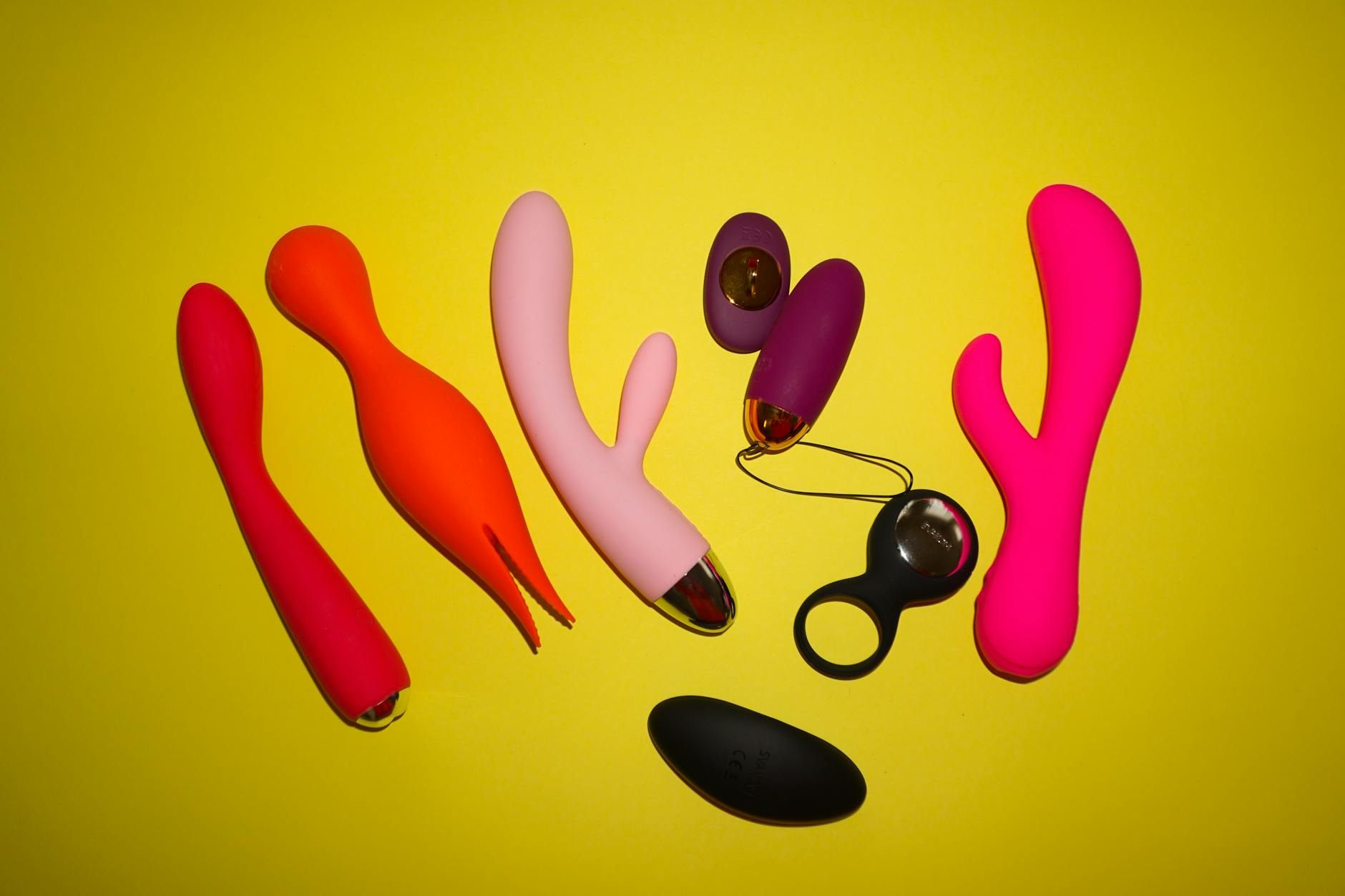
Let's talk about what pelvic floor dysfunction actually does to pleasure
Honestly, most people don't realize they have pelvic floor dysfunction until pleasure becomes hard or painful. The pelvic floor is a basket of muscles stretching from your pubic bone to your tailbone. When they're tight (hypertonic), they squeeze constantly. When they're weak (hypotonic), they can't hold tension properly. Either way, sex stops feeling good.
Here's the frustrating part: it's not that your capacity for pleasure is gone. Your nerve endings still work. Your brain still processes arousal. But the tension or weakness makes the pathway between desire and sensation feel broken.
The good news is that a lemon clitoral vibrator can actually be part of gentle retraining. Not forcing anything, not pushing through pain, but slowly teaching your body that sensation and relaxation can happen together.
Why pelvic floor dysfunction hijacks sensation
Your pelvic floor muscles are connected to arousal. When you're relaxed and excited, they should naturally contract and release. With dysfunction, they either stay locked in place or can't engage properly. This breaks the feedback loop your brain needs to build pleasure.
Tightness also changes blood flow. Arousal depends on increased blood flow to the clitoris and vulva. Tight muscles literally restrict that circulation. Weakness does the opposite. you feel stimulation, but it doesn't register as strongly because the muscles can't hold the sensation.
Add to that the emotional weight. Pain or numbness during sex makes your nervous system treat touch as a threat instead of pleasure. Your body literally learns to brace against stimulation.
A lemon vibrator works here because suction-based stimulation (like the Lem) doesn't require the same muscle engagement as traditional vibration. It can help retrain your nervous system that sensation is safe, without demanding your pelvic floor do anything it's not ready for yet.
Start with relaxation, not stimulation
This is the part most people skip, and it's why they struggle. Before you touch the lemon vibrator to your body, spend a week or two just learning how to relax your pelvic floor while conscious.
Here's what actually works: lie on your back, knees bent, feet flat. Breathe normally. On the inhale, imagine your pelvic floor softening like an elevator descending. On the exhale, let it stay relaxed. Do this for five minutes daily. It sounds boring, but this rewires your nervous system's baseline.
Once you can do that without thinking about it, add gentle internal awareness. Insert one finger slowly. Not for pleasure, just for information. Notice where the tension lives. Usually it's the front (toward the pubic bone) or the back (toward the tailbone). Breathe into that spot. Let it soften.
This is the real work. Stimulation without this foundation just adds more activation to an already overactive system.
How to introduce the lemon vibrator safely
When you're ready, start externally. Set the lem vibrator to the lowest intensity setting. This matters more than you think. Low intensity feels like a gentle hum, not a buzz that demands your muscles engage.
Apply it to the outer labia first, not the clitoris directly. Spend 2-3 minutes here. The goal isn't orgasm. It's noticing that touch feels safe. Your brain should be learning: suction does not mean pain, does not mean bracing.
After a few sessions, move closer to the clitoral area. Still low setting. Still external. You're teaching your nervous system incrementally.
If you feel the urge to tighten your pelvic floor (which is instinctive), pause. Breathe. Let it go. This is the hardest part. Your body wants to grip toward pleasure, but that impulse comes from the same tension that caused the dysfunction in the first place.
Don't push through this. The moment you feel resistance, pause and return to breath work. Consistency over intensity.
The role of your partner (if you have one)
If you're working through this with a partner, you have one job: communicate clearly about what you're doing and why. This isn't about performance or pleasure right now. It's about retraining.
Many couples make the mistake of treating pelvic floor recovery like a sex problem. You're "trying" to have sex while healing. That's backwards. During recovery, sex is optional. What matters is rebuilding your nervous system's confidence in sensation.
Your partner's role is to be genuinely, boringly present. They hold space. They don't expect anything. They don't try to "help" by stimulating in other ways. They watch you learn your body again.
If your partner wants to participate, they can learn pelvic floor massage techniques from a physical therapist. But that's separate from pleasure. Make that distinction crystal clear.
Building stamina without forcing
After two or three weeks of gentle external work, you can start increasing intensity very slightly. Move from setting 1 to setting 2 on your lemon vibrator. Again, external. Notice what changes.
Your goal here is to be able to tolerate stimulation for longer periods without your pelvic floor seizing up. You're not chasing orgasm. You're building tolerance.
Many people find that once their nervous system realizes stimulation isn't a threat, sensation returns naturally. Orgasms might feel different than before, though. They might be less intense, or more localized. That's normal. Your body is rediscovering its own patterns.
If pain appears at any point, stop immediately. Pain is information. It means you pushed too fast. Return to relaxation work for another week, then try again more gently.
When to see a pelvic floor physical therapist
A lemon vibrator is a tool, not a cure. If you've been working gently for six weeks and seeing no improvement, or if pain worsens, get a referral to a pelvic floor physical therapist. This is not optional.
They can assess whether your dysfunction is tension-based or weakness-based and give you exercises that actually address the root cause. Some dysfunction also has an emotional component (trauma, anxiety), and a PT trained in that can help too.
Therapeutic vibration can be part of a PT's protocol, so bringing your own lemon clitoral vibrator to discuss with them is actually smart. They can guide you on how it fits into your specific treatment plan.
The mindset shift that changes everything
Recovery from pelvic floor dysfunction requires you to stop thinking of pleasure as something you achieve and start thinking of it as something you practice. You're not trying to cum. You're not trying to prove you're healed. You're just noticing sensation, breath by breath.
This shift is hard because pleasure usually feels urgent. But with pelvic floor work, urgency is the enemy. Patience is the actual medicine.
Your lemon vibrator is just the vessel for this practice. The real work is in your nervous system deciding that touch is safe again. That takes time. That's okay. You're rebuilding something fundamental, and that deserves to be slow.
FAQ: Pelvic Floor Recovery and Lemon Vibrators
Can a lemon vibrator make pelvic floor dysfunction worse?
Yes, if used incorrectly. High intensity, moving too fast, or using it while your pelvic floor is locked in tension can increase dysfunction. That's why starting extremely low and external is non-negotiable. The vibrator should feel soothing, not demanding.
How long does pelvic floor recovery usually take?
Three to six months is typical if you're consistent with both relaxation work and gentle stimulation. Some people see improvement in weeks. Others take longer. Trauma-related dysfunction can take much longer. There's no universal timeline. Your body sets the pace.
Is it normal for sensation to feel numb even with a lemon vibrator?
Yes, especially early on. Numbness is often part of pelvic floor dysfunction, especially if it's trauma-related. Sensation usually returns gradually as your nervous system debraces. Don't interpret numbness as permanent. It's just information about where you are in the process.
Can I have partnered sex while recovering?
Depends on the person and the severity of dysfunction. Generally, I recommend pausing penetration until you can comfortably tolerate external stimulation without tensing. You can still be intimate with your partner. Just not in ways that demand pelvic floor engagement yet. Communicate this clearly so your partner doesn't interpret it as rejection.
What setting should I use on the Lem vibrator for pelvic floor dysfunction?
Start on setting 1 or 2, external only. After a few weeks, you might move to setting 3. Many people with pelvic floor issues find that they never need to go higher than setting 4. The goal is sensation, not intensity.
Should I use lube with my lemon vibrator during recovery?
Yes. Water-based lube makes the experience more comfortable and reduces friction, which is important when tissues might be sensitive. It also removes any pressure to "become wet enough," which can trigger pelvic floor tensioning. Use it generously.
The real timeline for healing
Recovery from pelvic floor dysfunction is not linear. You'll have sessions where everything feels good, and sessions where your body seems to regress. This is normal. Your nervous system is rewiring itself. That's not a steady line. It's more like a staircase with occasional steps backward.
Your lemon vibrator is one tool in this process. Physical therapy, breathing work, and patience are the others. If you're consistent and gentle with yourself, pleasure will return. It might not look exactly like it did before, but that's not a failure. It's just different. And different is usually richer, because you built it consciously.
If you have questions about your specific recovery, reach out to a pelvic floor physical therapist or contact us for guidance on how our lemon clitoral vibrators might fit into your healing plan. You deserve pleasure that feels safe, and you're not alone in working toward it.