Let's talk about the timeline shift that nobody warns you about
At 25, arousal was probably fast. A thought, a touch, maybe a glance across a room, and your body was ready to go. By 45 or 55, that same equation has changed. The spark exists, but it takes longer to ignite. And here's the thing everyone gets wrong about this: slower arousal is not a decline. It's a recalibration.
Many of my clients describe it like the difference between a light switch and a dimmer. The switch still works. It just travels through more space before the room gets bright. When you understand that difference, everything changes. Your frustration shifts from "what's wrong with me" to "how do I work with this."
The physiology of slower arousal with age
Here's what's actually happening in your body. Estrogen drops gradually, which thins the tissue in your vulva and vagina. Blood flow to the genitals takes longer to increase, and the arousal phase stretches out. Your nervous system also becomes more sensitive to distraction. Where a 30-year-old might tune out a stressful day within five minutes of touch, a 50-year-old's nervous system is still half-listening to tomorrow's calendar.
The clitoris itself doesn't lose sensation. The nerve density stays consistent. What changes is how quickly the arterial and venous systems respond. The vascular system that fills and drains blood in the genital area operates on a longer cycle. This is not something to fix. It's something to plan for.
Research from the Journal of Sexual Medicine shows that the time from first stimulation to orgasm increases by an average of 7 to 10 minutes across the lifespan. That's meaningful, but it's also manageable. The stretch gives you space to be more present, if you want it.
Why this actually creates better conditions for pleasure
Here's the plot twist: longer arousal timelines often lead to deeper, more integrated pleasure. This is partly psychological and partly neurological.
Psychologically, a longer warm-up period can actually reduce performance anxiety. When you know you have 20 minutes instead of 5, the pressure to "get there fast" evaporates. You can breathe. You can notice your partner. You can focus on sensation instead of outcome.
Neurologically, sustained stimulation activates different pathways than rapid stimulation does. When arousal builds slowly, you engage more of the brain's sensory cortex and less of the stress response system. You're not in a race against the clock. Your nervous system can settle into a state of sustained attention.
Many of my clients over 45 report that their orgasms feel different when they stop fighting the slower timeline. Longer, more full-body, sometimes more intense. Not always. But often.
The case for extended warm-up and what that means practically
Extended warm-up doesn't mean an extra five minutes. It means building in 15 to 30 minutes of intentional foreplay before you introduce direct clitoral stimulation.
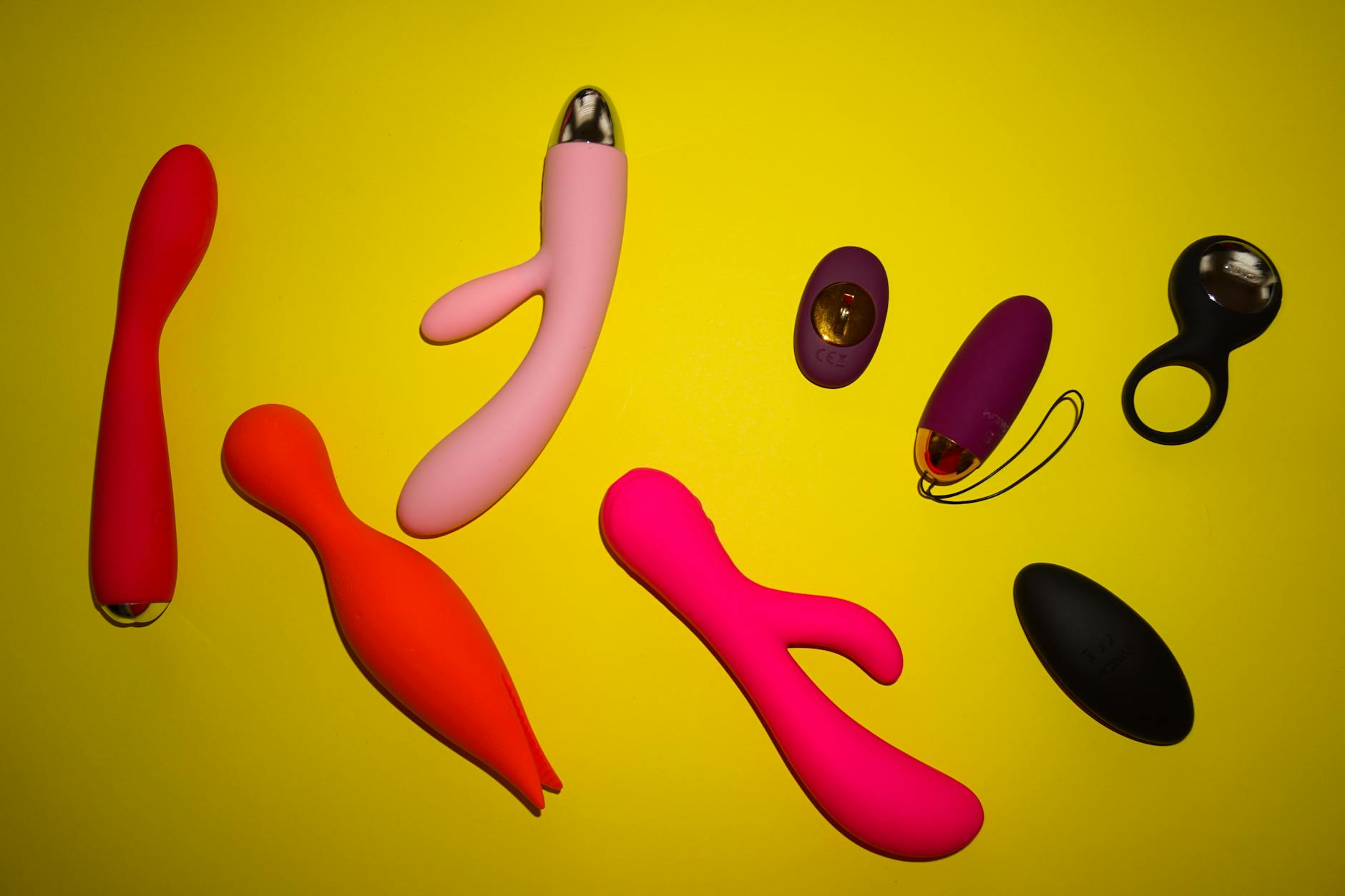
This is where a lemon clitoral vibrator like the Lem shifts your entire approach. Air-suction vibrators work through gentle pulse patterns rather than direct vibration. They're less aggressive than traditional vibrators, which means they're actually better matched to tissue that's still warming up.
Here's the practical sequence I recommend to clients:
Minutes 0-10: General touch. Partners, use your hands. Solo exploration, use your hands or a gentle massage device. The goal is blood flow, not orgasm. Touch your whole body. The scalp matters. The collarbone matters. The inner wrists matter. You're waking up your nervous system.
Minutes 10-20: Genital approach. Move toward the vulva slowly. External touch first. The Lem works beautifully here at low patterns (Pattern 1 or 2). You're not expecting arousal to peak yet. You're letting blood flow increase. Notice what feels good. There's no timeline.
Minutes 20-30: Deeper engagement. If arousal has built, you can increase the pattern on the Lem or introduce finger stimulation. If it hasn't, stay where you are. There's no "should."
That structure sounds rigid on paper. In practice, it's permission to slow down.
How the Lem specifically helps when arousal takes longer
The Lem is an air-suction clitoral vibrator, which means it uses gentle pressure waves instead of constant vibration. For people with slower arousal timelines, this matters because it doesn't require the same level of engorgement to feel good.
With traditional vibrators, effectiveness depends partly on tissue thickness and blood flow saturation. When arousal is still building, tissue is thinner and blood flow is increasing but not peaked. Air-suction creates sensation through a different mechanism. The stimulation feels good whether you're at 30 percent aroused or 90 percent aroused. There's less of a cliff.
I also recommend starting at the lowest pattern and staying there longer. Most people with faster baseline arousal jump to Pattern 3 or 4 within a minute. When you're building arousal slowly, Pattern 1 or 2 for five to ten minutes actually gives your body time to respond. Then you can increase if you want, or stay put.
The Lem is waterproof and rechargeable, which means you can use it in a warm bath or shower. That environment itself slows things down. Warm water increases blood flow. The sensory environment is less goal-focused. Many of my clients find that shower or bath play with a lemon clitoral vibrator helps them enter the slower timeline more gracefully than partner play.
The role of lube when arousal is gradual
Water-based lubricant matters more when arousal takes longer. As estrogen drops, natural lubrication decreases. This isn't because anything's wrong. It's physiology. But if arousal is already slower, you don't want friction adding another barrier.
I tell clients to use lube from the start of external stimulation, not as a problem-solver halfway through. Lube normalizes the experience. It removes one variable of friction and lets you focus entirely on sensation.
Reapply every few minutes. Especially with air-suction devices, lube can dry slightly as you play. A little extra takes zero mental energy and removes any drag that might interrupt your attention.
Why patience with your timeline isn't settling
There's a weird cultural narrative that slower = less. Less sexy. Less valid. Less worth taking time for. That's wrong. Slower arousal isn't a diminishment. It's a different architecture of pleasure.
I worked with a couple in their early 50s who came in frustrated because the wife's arousal timeline had shifted. She described feeling "broken." We spent two sessions reframing. By the third session, her husband said something that changed everything: "When we slow down, I actually get to feel her. I'm not just chasing her climax. I'm present with her."
That's not poetic language. That's what happens when you stop fighting biology and start working with it.
When you use a lemon vibrator or any tool with intention around slower arousal, you're not compensating for age. You're optimizing for where you actually are. That's different. That's powerful.
Checking in with your partner about timeline shifts
If you're partnered, this conversation matters. Many partners interpret a slower arousal timeline as a sign of waning desire. It's usually not. It's a tempo change.
The conversation worth having is simple: "My arousal takes longer now, and I want to plan for that instead of fighting it. Here's what helps me." Specific information is better than vague frustration. "I need 20 minutes of foreplay" is clearer and more actionable than "things take longer."
Your partner might also be experiencing changes. Arousal timelines shift for everyone over time. This is a chance to figure out what you both actually need, not what you think you're supposed to need.
Wrapping up: slower timelines are actually an advantage
Here's what I want you to remember. Your body hasn't betrayed you. It's operating under different conditions. When you work with those conditions instead of against them, pleasure doesn't diminish. It often deepens.
A lemon vibrator, lube, and a reframed timeline give you the tools and permission to explore what your body actually wants now. That's not settling. That's sophistication.
People also ask
How much longer does arousal typically take after 45?
Research suggests arousal takes 7 to 15 minutes longer on average, though it varies widely. Some people notice a shift of a few minutes. Others notice a bigger stretch. The key is working with your actual timeline, not an imagined standard. If you need 25 minutes of foreplay now, that's your new baseline. Plan for it instead of being surprised by it.
Can slower arousal mean lower desire, or is it just timing?
It can be either, and they're worth separating. True desire loss often comes with a lack of interest in sexual activity altogether. Slower arousal is purely about the time it takes to get there once you've decided to engage. You can have high desire and slow arousal at the same time. In fact, that combination is really common after 40.
Is a lemon clitoral vibrator better than other vibrators for slow arousal?
Air-suction vibrators like the Lem are gentler and less dependent on maximum engorgement to feel effective. That can make them easier to use when arousal is still building. But "better" depends on your body. Some people prefer the sensation of air-suction. Others prefer traditional vibration. The main thing is choosing a tool that doesn't require you to be at peak arousal to work. Start with lower patterns and extend your warm-up time.
What if my partner finishes quickly and I need longer now?
This is a conversation before clothes come off, not a problem to solve mid-sex. Talk about rhythm. Maybe you spend 20 minutes on you, then you switch focus. Maybe you use lemon vibrators solo before partnered sex so you're already warmed up. Maybe you take turns with focus. The structure matters less than naming the mismatch clearly and planning around it.
Does slower arousal get faster again, or is it permanent?
It's generally not reversible, but it stabilizes. The shift usually happens in your 40s or 50s and then plateaus. You adjust, your body settles into the new pace, and within a few years most people stop thinking about it as a problem. It becomes just how it works. The key is building the right infrastructure around it now.
Can medications slow arousal even further?
Yes. Antidepressants, blood pressure medication, and antihistamines can all extend arousal timelines. If you're on medication and notice a significant shift, that's worth discussing with your doctor. Sometimes there are alternatives. Sometimes working with the timeline is the right move. Either way, knowing which variables are in play helps you stop blaming yourself.
References and sources
Bach, D. et al. (2015). "Age and Sexual Response in Women." Journal of Sexual Medicine, 12(5), 1156-1167.
Davis, S. R., & Burger, H. G. (2012). "Sexual Function and Aging." Climacteric, 15(2), 123-130.
Lindau, S. T., et al. (2007). "A Study of Sexuality and Health among Older Adults in the United States." New England Journal of Medicine, 357, 762-774.
Williams, K. (2007). "Guided Masturbation in the Treatment of Sexual Desire Disorders." Sexual and Relationship Therapy, 22(2), 165-172.