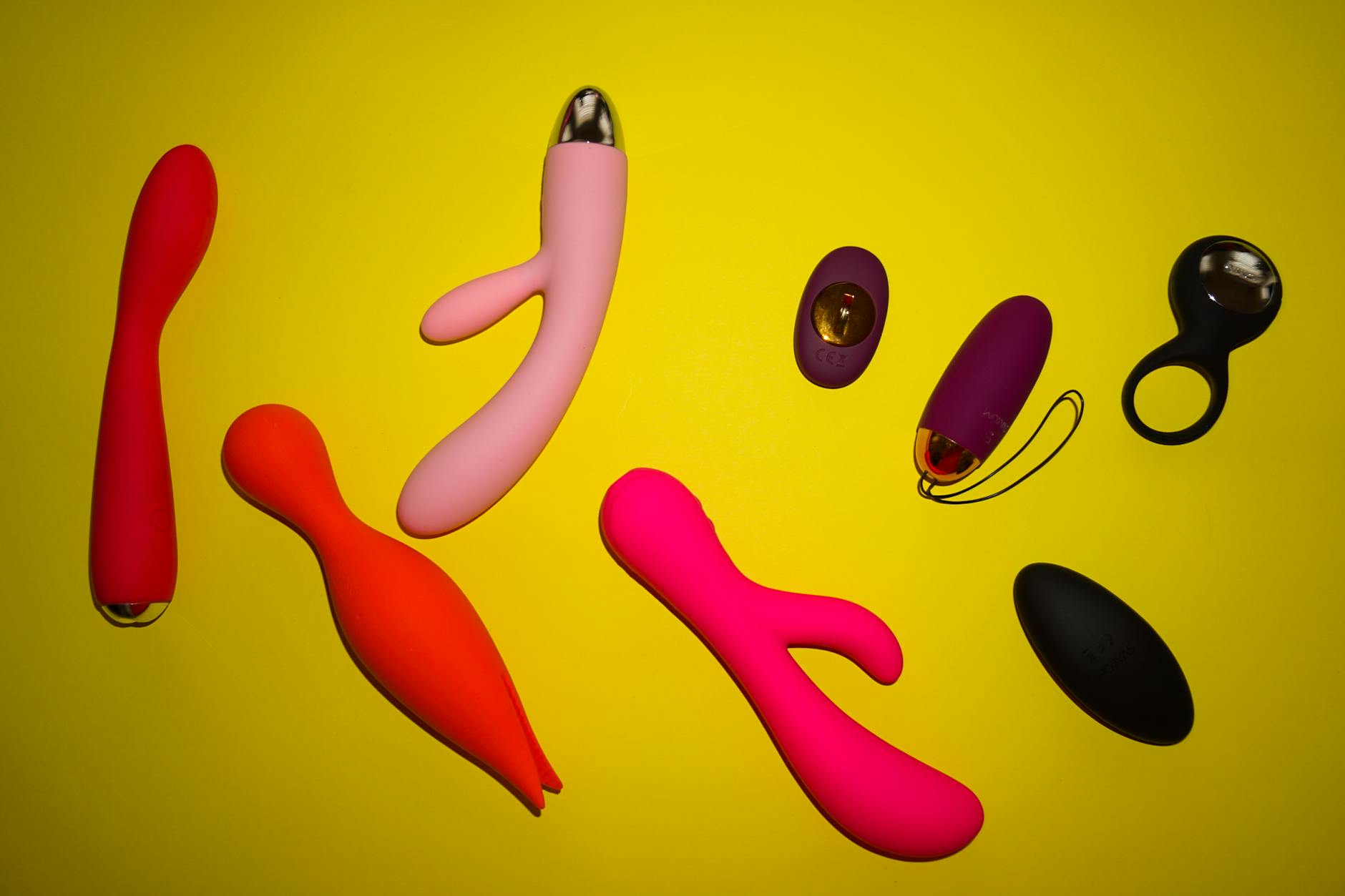
How to Use a Lemon Vibrator When Dealing With Vulvodynia or Chronic Pelvic Pain
Let's be real. Vulvodynia is painful, isolating, and wildly misunderstood by people who don't live with it. The frustration isn't just physical. It's the loss of something you assumed would always be there: pleasure without thinking about it.
But here's what most people with vulvodynia don't hear: pleasure is still possible. It looks different, it requires a recalibration of expectations, and it absolutely depends on finding the right tool and the right approach. A lemon vibrator, with its specific design and gentler suction technology, can be one of those tools.
I've worked with dozens of clients navigating vulvodynia, provoked vestibulodynia, and other forms of chronic pelvic pain. The ones who regained pleasure weren't the ones who pushed through pain. They were the ones who learned to work with their nervous system instead of against it.
What vulvodynia actually changes
Vulvodynia is chronic pain in the vulva without a clear medical cause. It can be localized (provoked vestibulodynia, which happens at the vaginal opening) or generalized (pain across the whole vulva, provoked or unprovoked). The nerves in the area become sensitized. Touch that used to feel good can feel burning, raw, or overwhelming.
What matters for pleasure: the same nerves that hurt can still conduct pleasure signals. They're just overwhelmed right now. Your job isn't to ignore the pain. It's to send different signals down those pathways.
This is where a lemon clitoral vibrator becomes genuinely useful. Unlike traditional vibrators or manual touch, the suction-based technology of tools like the Lem creates a different kind of stimulation. It's not direct friction. It's rhythmic pressure and release that can feel less intense and more diffuse than other contact.
Why intensity levels matter more than you think
If you have vulvodynia, you already know that intensity scales differently in your body than they do for people without chronic pain. Setting 1 on your phone's vibration might feel like setting 5 to someone else. Or it might feel like 10.
With a lemon vibrator like the Lem, you get multiple intensity settings. Here's the counterintuitive part: start at pattern 1, yes, but notice what happens in your nervous system, not just your genitals. Are your muscles tightening? Is your breath shallowing? Is there a sense of anticipatory bracing?
Those are signs you need to go lower, not higher. Or stop.
Many of my clients with vulvodynia find that patterns 1 through 3 on the Lem are their pleasure zones. Some never go above pattern 2. That's not deprivation. That's information. Your vulva is telling you exactly what it can handle right now.
Position and angle change everything
Direct contact with painful areas is the obvious trap to avoid. But even for people without diagnosed vulvodynia, angle and positioning matter wildly for pleasure.
With vulvodynia, positioning becomes a safety issue. Here's what I recommend:
Angle away from the painful zone first. If provoked vestibulodynia is your diagnosis, your pain is probably concentrated at the vaginal opening and the tissue just inside. Position the Lem or other lemon vibrator so contact is on the clitoral body and hood, not the vestibule. The clitoral shaft extends deeper into the body than most people realize. You can stimulate it without touching the painful area.
Use your hand or a pillow to control pressure. Don't press the vibrator directly into yourself. Hold it with light contact, or angle a pillow under your hips so you can rest against it without bearing down. This gives you constant micro-adjustments. If it starts to hurt, you can shift weight immediately.
Explore side-lying or reclined positions. Missionary-adjacent positions put pressure on the whole vulva. Side-lying or reclined positions let you isolate and protect.
The nervous system reset: breathing and timing
Vulvodynia lives in your nervous system as much as in your tissue. Years of pain, even low-grade pain, trains your body to brace. The pelvic floor tightens. Your breathing gets shallow. Your brain learns to expect pain, so it starts to hurt preemptively.
Using a lemon vibrator effectively means interrupting that pattern. This requires something you can't force: patience with your own arousal.
Start with 5-10 minutes of breathing before you touch the vibrator. Not meditation-style spirituality. I mean literally: in for 4, hold for 2, out for 6. Long exhalations activate your parasympathetic nervous system. This is the state where pleasure is possible. Pain and arousal can't happen in the same nervous system state simultaneously. You have to shift the baseline first.
Then, when you do use the lemon vibrator, work in short intervals. Two minutes at pattern 1. Stop. Breathe. Notice what your body is doing. Two more minutes. This trains your nervous system that sensation doesn't automatically mean harm.
When to pause and when to continue
This is crucial. There's a difference between discomfort and pain. There's a difference between the sensation of touch and the sensation of harm.
Discomfort often lessens with slow, consistent pressure. Pain tends to escalate or stay constant. Your job is to notice which one you're in.
If using the lemon vibrator makes you feel pleasantly stimulated but slightly tender, that's often okay to continue through (if you want to). If it feels actively painful, triggering a burning sensation or a sense of rawness, stop immediately.
Flare-ups are real. If your vulvodynia has been triggered, you might need to rest from all genital stimulation for days or weeks. This sucks. But it's not failure. It's evidence that your body needs time to recalibrate. A good sex toy can wait. Your healing can't.
The partnership question
If you have a partner, this part is essential: your vulvodynia is not their problem to solve. It's your condition. But it does affect them, and they need to know how to help without taking on guilt or responsibility.
Using a lemon clitoral vibrator solo often works better than partnered sex, especially early in learning what your body can handle. This isn't rejection. It's practicality. You have full control. You can adjust instantly. You don't have to manage anyone's feelings or expectations while you're managing pain.
Once you've figured out what works for you alone, the conversation with a partner shifts. It becomes, "Here's what I've learned my body enjoys," not "Here's what we need to fix." That's a completely different dynamic.
Lubrication and tissue care
Vulvodynia often comes with dryness, even if you're not in menopause. Use a generous amount of water-based lubricant. This isn't because your lemon vibrator needs it. It's because your tissue does.
Lube reduces friction and allows the suction mechanism of the Lem to work more smoothly against the tissue without generating heat or pulling sensation. Reapply every few minutes. Don't assume one coat is enough.
After using a vibrator, many people with vulvodynia benefit from a cool compress or even a few minutes with an ice pack wrapped in a thin cloth. This can reduce inflammation and send calming signals to the area.
When to work with a specialist
If you've never had vulvodynia formally diagnosed, that's your first step. A pelvic floor physical therapist or gynecologist trained in vulvodynia can rule out other conditions, confirm the diagnosis, and often offer treatment that makes pleasure easier: topical lidocaine, pelvic floor physical therapy, or sometimes low-dose antidepressants that reduce nerve sensitivity.
If you're already diagnosed and pleasure remains difficult even with a lemon vibrator and modified technique, ask your PT about desensitization work. This is different from medical treatment. It's specific nervous system retraining that makes sensation feel safer and more pleasurable over time.
Your vulvodynia is not permanent. Your pleasure is not gone. The Lem and other lemon sexual toys are tools. But the real tool is patience with your own body and permission to take a different path than you expected.
FAQ: Lemon Vibrators and Vulvodynia
Can using a vibrator make vulvodynia worse?
It can, if you're using the wrong technique or settings. But when done carefully, a lemon vibrator used at low intensities with proper positioning often improves sensation over time by resetting the nervous system's response to touch. The key is starting very low and stopping the moment you feel actual pain, not discomfort.
Is a lemon sucker gentler than other vibrators for vulvodynia?
Yes, for most people. The suction-based technology distributes pressure more widely and feels less like direct friction. But gentleness also depends on your nervous system state, positioning, and intensity level. Even a gentle lemon clitoral vibrator can be too much if you're tense or the area is in a flare-up.
How long does it take to feel pleasure again after vulvodynia diagnosis?
It varies enormously. Some people regain pleasure within weeks of starting appropriate treatment. Others take months or years. Progress isn't linear. You'll have good days and setback days. The goal isn't to force pleasure back on a timeline. It's to gradually expand what feels safe and good.
Should I use numbing cream before using a lemon vibrator?
No. Numbing cream masks pain signals, which means you can accidentally injure tissue while not realizing it. You want to feel what's happening so you can adjust. Lidocaine is prescribed by doctors for specific reasons in specific concentrations. Don't self-medicate.
Can I use a lemon vibrator during a vulvodynia flare-up?
No. If you're in a flare-up, your nervous system is already overwhelmed. Rest the area. Use ice if it helps. Stimulation of any kind, even with a gentle tool, will likely make it worse. Wait until the acute pain subsides before trying again.
Do lemon vibrators work better for localized vulvodynia or generalized?
Both can respond well, but the approach differs. With localized (provoked) vulvodynia, you can often position the vibrator to avoid the painful area entirely. With generalized vulvodynia, you're working with overall nerve sensitization, so breathing, timing, and intensity control matter even more. Many people find that starting with very short sessions (under 2 minutes) works better for generalized pain.
The real story
Vulvodynia is a legitimate chronic condition. It's not in your head. It's not something you can orgasm through or positive-think away. But it also isn't a life sentence of pain or pleasure lost.
A lemon clitoral vibrator, used thoughtfully, is one tool in a larger toolkit that includes pelvic physical therapy, medical treatment, nervous system retraining, and time. Your pleasure is still there. It just needs a gentler road to find it.
If you're navigating this, you deserve support. You deserve tools that work with your body, not against it. And you deserve the knowledge that countless people have moved from "I can't have pleasure with vulvodynia" to "I have pleasure that looks different, and it's still mine."
Start low. Go slow. Listen to your body. And when you're ready to explore further, Lemnancy Shop's lemon vibrators are designed with exactly this kind of precision in mind.
For more on how different conditions affect pleasure, consider reading about how to use a lemon vibrator to rebuild sensation after vaginal numbness or how to use a lemon vibrator when your pelvic floor is tight or tense. Both approaches share similar nervous system principles that apply here.