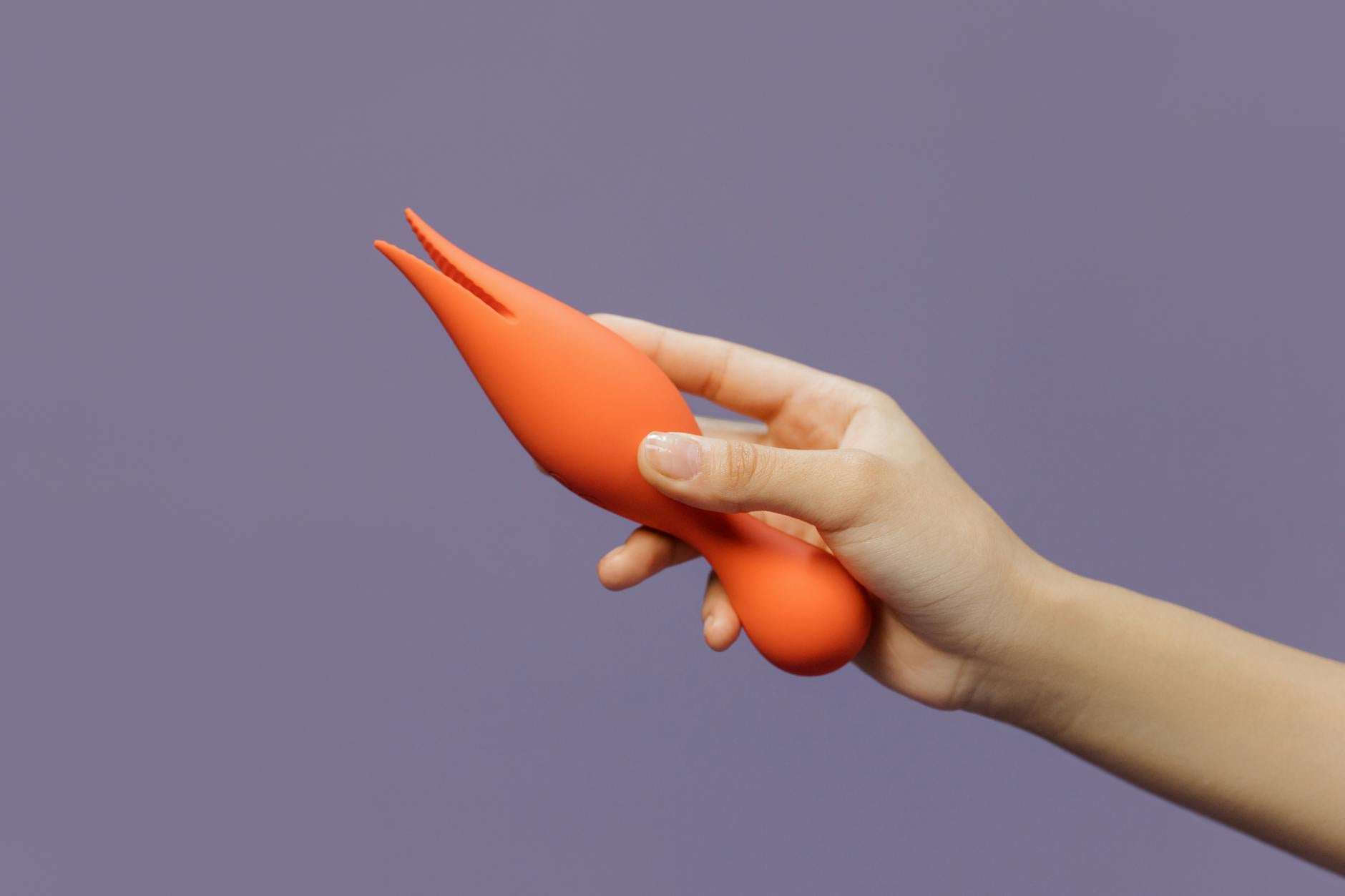
Let's start with the real thing
When your partner isn't interested in sex and you still are, something inside you breaks a little. Not because they're wrong. Not because you're unreasonable. But because desire becomes lonely when it's one-sided. A lemon vibrator won't fix a mismatch in libido, but it can absolutely help you reclaim your own pleasure while you figure out what the actual problem is.
Here's what I see in my practice: couples get stuck in a pattern where the person with lower desire feels pressured, and the person with higher desire feels rejected. Both of you end up resentful. A lemon clitoral vibrator interrupts that dynamic. It gives you permission to meet your own needs instead of waiting for someone else to show up.
Why the mismatch happens (and it's rarely what you think)
When someone says they're not interested in sex, the first move couples make is dead wrong. They assume it's about attraction. It almost never is. I've worked with hundreds of pairs, and the actual reasons look more like this.
Stress and fatigue rank highest. A partner working two jobs, managing kids, or carrying family grief doesn't have bandwidth for arousal. Their nervous system is stuck in survival mode. Sex feels like another obligation, not a relief. That's not about you.
Depression and anxiety are massive. Both flatten desire. If your partner started showing less interest around the same time they seemed withdrawn, sadder, or more wound up, that's a clinical issue, not a relationship one. Worth naming directly. Worth suggesting they talk to someone.
Medication changes. Antidepressants, blood pressure meds, birth control, and other prescriptions can genuinely kill libido. Not as a side effect you can work around. As a real neurochemical shift. If this timing lines up, their doctor needs to know.
Relationship tension underneath the surface. Sometimes low desire is the symptom, not the cause. If you've been arguing more, connecting less, or skirting around bigger fights, sex gets quiet first. It's sensitive. It picks up on distance before you consciously register it.
Honestly? Sometimes people just have lower baseline desire. That's real and valid. It doesn't mean you're broken for wanting more.
The permission structure you actually need
Here's what stops most people from using a lemon vibrator when their partner lacks interest. They feel guilty. They think they should want their partner to be their only source of pleasure. That if they use a toy solo, they're admitting defeat or being unfaithful.
None of that is true.
Your pleasure is yours to tend to. Full stop. Using a device like a lemon vibrator when your partner isn't available or interested is self-care, not betrayal. It's the same category as taking a bath alone, exercising solo, or reading a book for your own joy. Your partner not wanting sex doesn't mean you stop deserving orgasms.
In fact, I recommend this frame when you talk to your partner about it. "I love you and I'm frustrated with the mismatch in desire. I'm going to take care of myself sexually because I deserve that. This isn't about replacing you or about what you're not giving me. This is about me maintaining my own wellbeing." That conversation often opens a door instead of closing one.
How to actually use a lemon vibrator in this situation
Start with pattern and pressure, not speed. A lemon clitoral vibrator uses gentle suction rather than intense vibration. That matters when your nervous system is already dealing with rejection or resentment. You want something that feels soothing alongside pleasurable. Start on the lower settings (patterns 1 or 2) and spend time there. Let your body relax into it.
Build a ritual around it. Don't squeeze solo pleasure in between laundry and emails. Give yourself 20 minutes minimum. Dim the lights, put your phone in another room, maybe light a candle. You're not trying to rush to orgasm. You're teaching your nervous system that you matter enough to have protected time. That shift alone reduces the sting of feeling unwanted.
Use it as a bridge toward conversations, not a replacement for them. After you've had some solo satisfaction and feel grounded, you'll have more emotional capacity to actually talk about the mismatch with your partner. A lemon vibrator isn't the solution to a dead bedroom. Honest conversation is. But it buys you space to have that conversation from a place of self-respect instead of desperation.
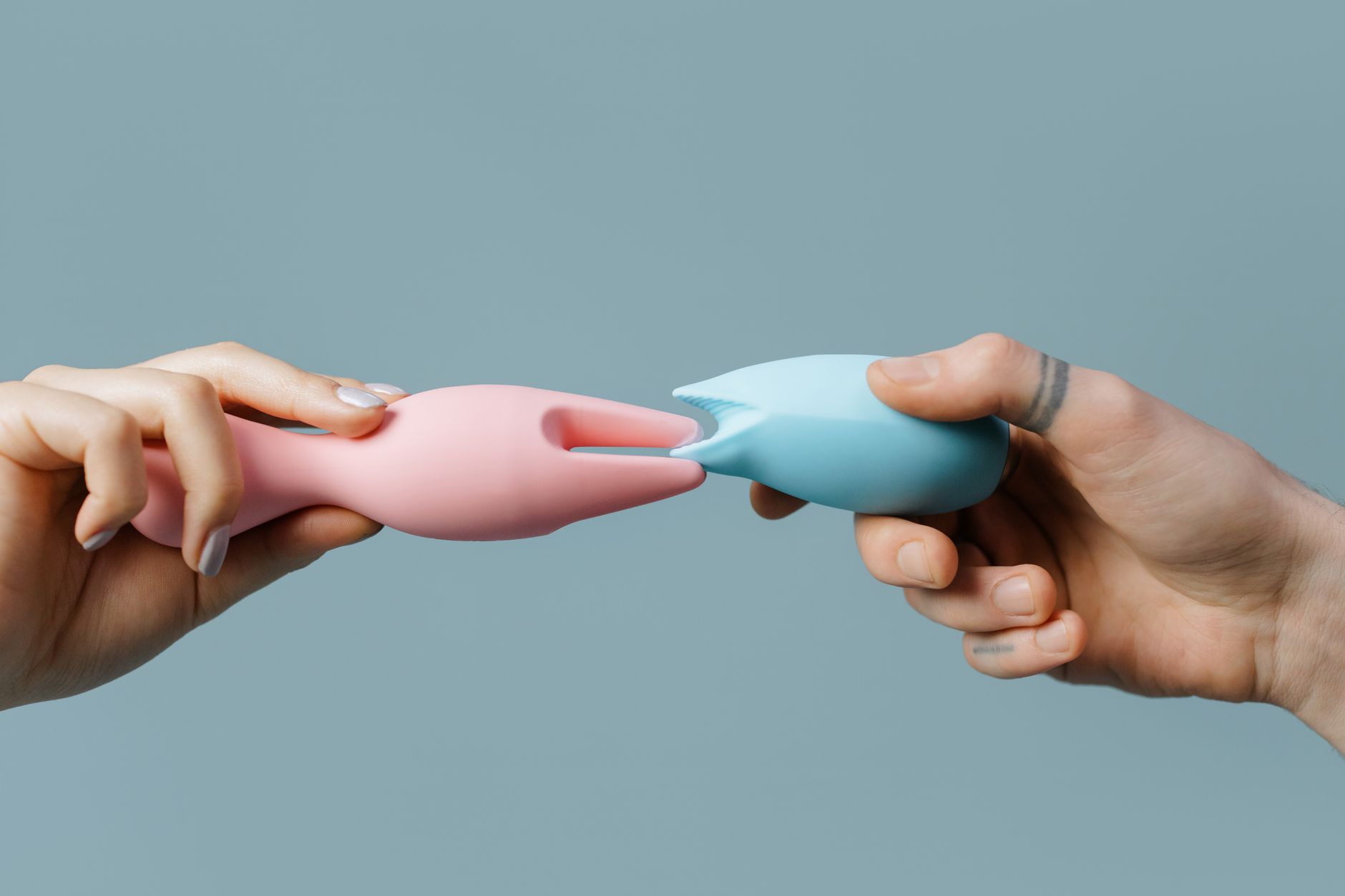
Photo by cottonbro studio on Pexels
When to have the actual conversation
Don't bring up a lemon vibrator during conflict or right when you're frustrated. That reads as accusation. Instead, pick a calm moment. "I want to talk about something that's been bothering me. The mismatch in how often we have sex is affecting me. I care about you and I'm working on my own pleasure and happiness in the meantime. But I also want to figure out what's happening on your end."
Then listen. Properly listen. Most people with lower desire have been feeling guilty for months. They're relieved when someone finally names it without anger. That's when you can actually ask questions. Is it medical? Stress? Something in the relationship? Are they interested in working on it, or have they decided they're just a lower-desire person?
If it's medical, you have options. If it's stress, you can problem-solve together. If it's relationship stuff, that might need a therapist. If they've decided they're lower-desire and you're high-desire, you have a bigger decision to make together. But you can't get there without the conversation. The lemon vibrator just keeps you sane while you're figuring it out.
The practical side of solo satisfaction
Before you use a lemon sucker or similar device, make sure you're clean and your hands are clean. Water-based lubricant helps even if you're naturally lubricated. It reduces friction and makes the suction feel better. Start with about five to seven minutes on a gentle pattern. Your body will tell you if it wants more intensity or a different rhythm.
Orgasm doesn't have to be the goal. I know that sounds counterintuitive, but pressure to come actually kills the experience. Sometimes the goal is just feeling your body respond. Feeling desire. Feeling like you matter. An orgasm is nice, but it's not the whole point.
Afterward, give yourself recovery time. Don't immediately jump back into your day. Lie there for a few minutes. Notice what your body feels like. That integration matters more than most people realize. It's where pleasure gets absorbed into your nervous system instead of just being a quick hit of sensation.
When your partner doesn't understand
Some partners will feel threatened by your lemon vibrator. They'll interpret it as you being unsatisfied with them. Or they'll feel like you're sexually active without them, which violates some rule they have in their head.
This is worth addressing directly. "I'm not using this because you're not good enough. I'm using this because my body deserves attention and pleasure regardless of what's happening between us. This is separate from my desire for you." If they can't come around to that after a genuine conversation, that's information too. It suggests they're viewing your pleasure as something they own or control, which is a bigger relationship problem than the desire mismatch.
Honestly, I've seen couples where the person with lower desire actually becomes interested again once the pressure lifts. When their partner stops waiting for them to initiate and starts taking care of themselves, something shifts. The resentment dissolves. The relationship stops feeling transactional. And sometimes, weirdly, desire returns. Not always. But sometimes.
What this actually solves and what it doesn't
A lemon clitoral vibrator solves the problem of your unmet sexual need in the moment. It gives you autonomy. It reminds you that your pleasure isn't contingent on your partner's interest level. It can also improve your mood, reduce stress, and help you feel less resentful.
It doesn't solve a broken relationship. It doesn't fix depression or medication side effects. It doesn't make your partner suddenly want sex again. It doesn't replace real conversation or professional help if the mismatch is serious enough to threaten the relationship.
But it does give you a way to survive the gap while you figure out what's actually going on. And that matters more than I think most people admit.