How to Use a Lemon Vibrator When Your Partner's Libido Returns Unexpectedly
Let's be real. You've spent months, maybe years, managing the mismatch. Your partner wasn't interested. You made peace with it. You stopped initiating. You got used to the quiet.
Then one day, out of nowhere, they're interested again. And now you're confused. Because your body has forgotten how to want. Your mind is suspicious. You're worried this is temporary, or that you're supposed to feel grateful instead of cautious. Honestly? That's completely normal.
When libido returns after a long absence, it's not just about physical reconnection. It's about rebuilding trust in desire itself. And a clitoral vibrator like the Lem can actually help bridge that gap, because it moves the focus from "do we still want each other" to "let's explore what feels good right now."
Why the sudden shift happens (and why it matters)
Libido doesn't come back by accident. Something changed. Maybe your partner was dealing with depression, stress, medication side effects, or relationship resentment. Maybe their body needed recovery time after illness or surgery. Maybe they finally got help. The reason matters because it tells you something important: is this sustainable, or are you about to cycle back into the mismatch?
Before you lean into reconnection, you need to know what shifted. Not in a combative way. Just honestly. "I noticed you seem more interested lately. What's different for you?" That conversation isn't about blame. It's about understanding whether this is a genuine change or a temporary bump.
The worst thing couples do at this moment is rush back into sex without checking in on the underlying piece. You end up having good sex for three weeks, then everything stalls again, and the disappointment is twice as deep.
The body takes time to remember
Your body isn't being stubborn when it doesn't immediately match their newly returned desire. It's being protective. After months of suppressing interest, your nervous system has to actually re-learn what arousal feels like.
This is where a lemon clitoral vibrator changes the dynamic. Instead of performance sex (where you're trying to prove you still want them), you're exploring sensation together. The vibrator becomes a tool for literally waking up nerve endings that have been dormant.
Here's what I recommend: start separately. Spend a week or two using a clitoral vibrator on your own, at your own pace. Not as a performance. Just as a way to reconnect with what feels good in your body. Once you remember that your pleasure exists independently of theirs, you're in a much stronger place to explore together.

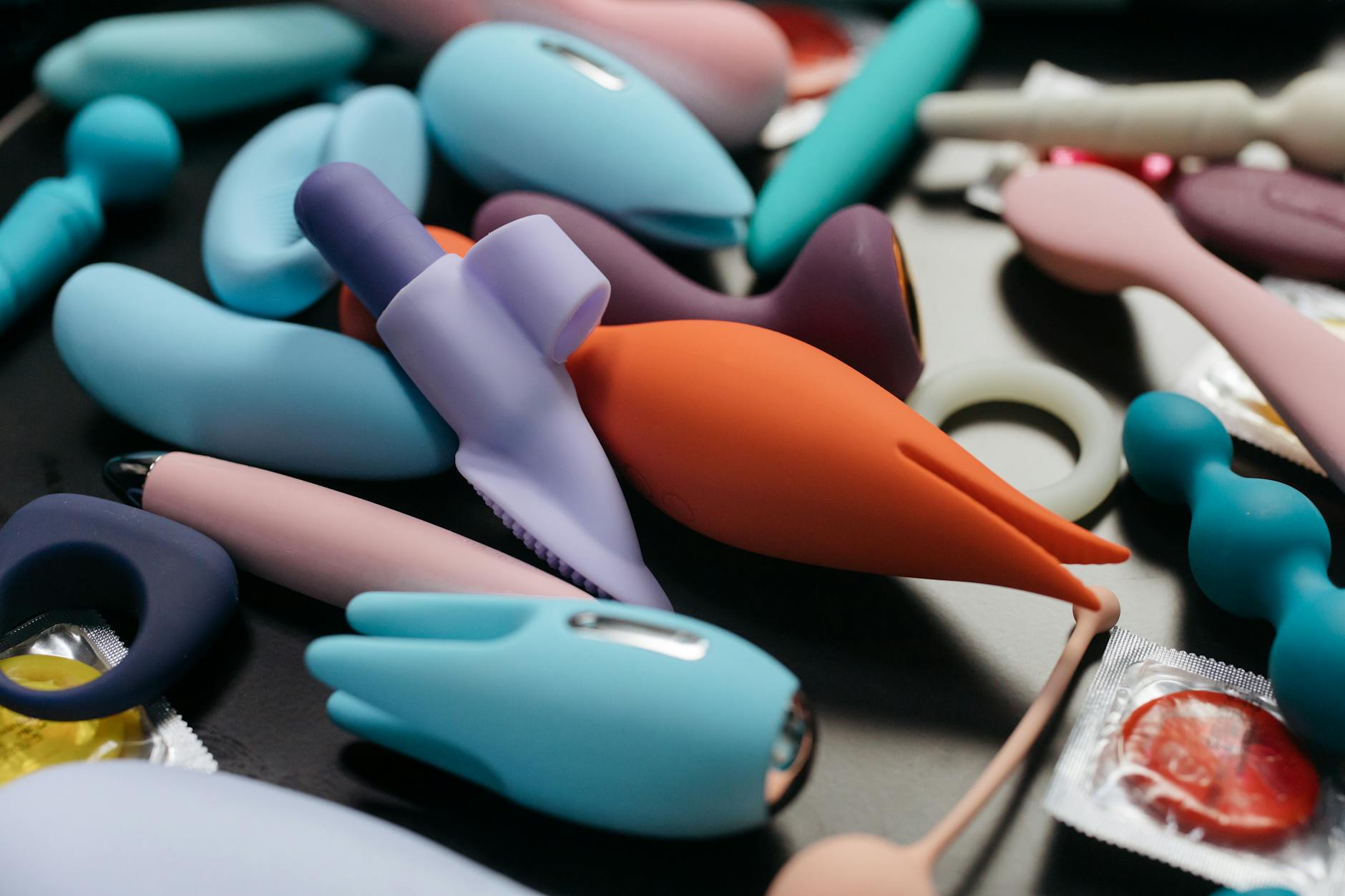
Photo by cottonbro studio on Pexels
Rebuilding desire together (without forcing it)
Once you've reconnected with your own pleasure, the next piece is rebuilding as a couple. This is not "let's have sex now because they're interested." It's slower than that.
Start with touch that has no expectation of sex. Hand massage. Back rub. Showering together. Kissing. This isn't foreplay. It's literally just relearning what their body feels like and what your body feels like in response.
After a few days of that, introduce the lemon vibrator into the mix without any pressure to go further. You're sitting close, maybe one partner is using the vibrator on themselves while the other watches. You're both just noticing what happens in your bodies. That's it. No performance. No finish line.
The reason this works is that vibrators like the Lem create sensation without requiring reciprocal performance. One person can be fully focused on their own pleasure while the other partner is fully present and attentive. That's a completely different dynamic than traditional couple's sex, and after a long drought, it can feel less threatening.
Communication that actually helps
Honestly though, the vibrator isn't the main tool here. Talking is.
You need to name the fear that's probably sitting under this. "I'm scared if I get interested again and then this stops, it'll hurt more." Or "I'm worried I don't know how to want you anymore." Or "I'm not sure this is going to last."
Your partner needs to hear that. And they need to respond with something beyond reassurance. They need to be able to say what changed for them, what they're committed to maintaining, and how they want to rebuild together. That conversation is longer than one sitting. It might take weeks.
When you're using the vibrator together, you can also talk about specific sensations. "This setting makes me feel more connected than the other one." "I like it better when you're watching." "I want to try this with less pressure and more patience." That physical language often feels easier than the emotional conversation, and it matters just as much.
When to use the Lem vibrator in reconnection
Once you're back to exploring together, here's what I see work best with clitoral vibrators like the Lem.
Start on lower settings. Especially if you've been away from pleasure for a while. Your nerve endings are sensitive. You don't need intensity. Patterns 1 through 3 are where most couples start, and honestly, that's where a lot of couples stay. The suction sensation of the Lem means you don't need high vibration strength to feel stimulated.
Explore it solo first, then together. You use it alone, get familiar with what feels good, then show your partner. "This is what I like. Do you want to try it on me?" That removes the pressure of figuring it out in the moment.
Use it as a bridge to other touch. The vibrator doesn't have to be the main event. It can be foreplay. You use it for a few minutes, then your partner touches you. You use it, then you have partnered sex. You use it while they're inside you. It's a tool that layers onto other intimacy, not a replacement.
Take breaks. The Lem is effective, which means it can build to orgasm quickly. If you're trying to rebuild connection, sometimes slower is better. Use the vibrator for a while, pause, touch, talk, then use it again. The rhythm matters more than the destination.
Watch for patterns that didn't work before
Here's the thing nobody tells you about libido returning: sometimes it comes back attached to the exact same patterns that created the mismatch in the first place.
Maybe your partner is interested again, but they want sex on their schedule, when they want it, how they want it. Maybe they expect you to be available even when you're not feeling it. Maybe they're interested in you but not in actually connecting.
A vibrator doesn't fix relationship dynamics. It only works if both people are genuinely trying to rebuild.
If you notice the old patterns returning, that's actually useful information. It means the underlying issue wasn't just libido. It was something about how you two approach desire, need, and each other's boundaries. That's worth addressing with a couples therapist before things get derailed again.
The joy of actually wanting again
Here's what I've seen happen when couples navigate this well: desire doesn't just return. It deepens.
After a long drought, when both partners are actually present and trying, sex becomes less about performance and more about connection. The pressure to be a certain way drops. The shame lifts. You both remember why you chose each other.
Clitoral vibrators like those from Lemnancy Shop fit into that story really naturally. They're not demanding. They're just there, making sensation easier, making pleasure more accessible. And sometimes that's exactly what a couple needs to remember that they still want to be close.
FAQ: Partner's libido returning, rebuilding together
Why does my body sometimes not respond even though I want to want my partner again?
Your nervous system learned to protect itself by shutting down desire. That's actually adaptive. Retraining your body to feel safe wanting again takes time. Using a vibrator solo helps because it's purely about your own pleasure, with zero relationship pressure attached. Your body slowly realizes it's safe to feel arousal again.
Is using a vibrator together going to make my partner feel inadequate?
Only if you frame it that way. If you present it as "I want us to explore pleasure together" instead of "your touch isn't enough," most partners respond with interest. The Lem in particular has a really beautiful design that feels intentional and intimate, not like a replacement.
What if my partner's libido goes away again?
You've already survived a long drought. You know how to navigate that. But this time, you'll know it's not about you. You can also address it faster because you'll recognize the pattern. The goal is to figure out what causes the shift and address that root cause, whether that's stress, health, medication, or relationship dynamics.
Can we use the vibrator if penetrative sex is still feeling difficult or uncomfortable?
Absolutely. In fact, the vibrator might be what makes reconnection possible while you're still working on other stuff. It's pure clitoral pleasure with no pressure on any other part of your body. Some couples use it as their primary intimacy while other things heal.
How long should we take before things feel normal again?
There's no timeline. Some couples reconnect in weeks. Others take months. The key isn't speed. It's consistency and honesty. You're rebuilding trust that desire can exist in your relationship without immediately disappearing. That takes as long as it takes.
What if reconnecting feels good for a while and then the desire mismatch returns?
Then you have information. You know it's not just random. Something specific is driving the shift. Maybe your partner needs therapy for depression. Maybe you both need couples work on resentment. Maybe one of you has unmet emotional needs. Use that information to get the real help you need, whether that's medical, therapeutic, or both. The vibrator helps with the pleasure part. The rest needs different support.