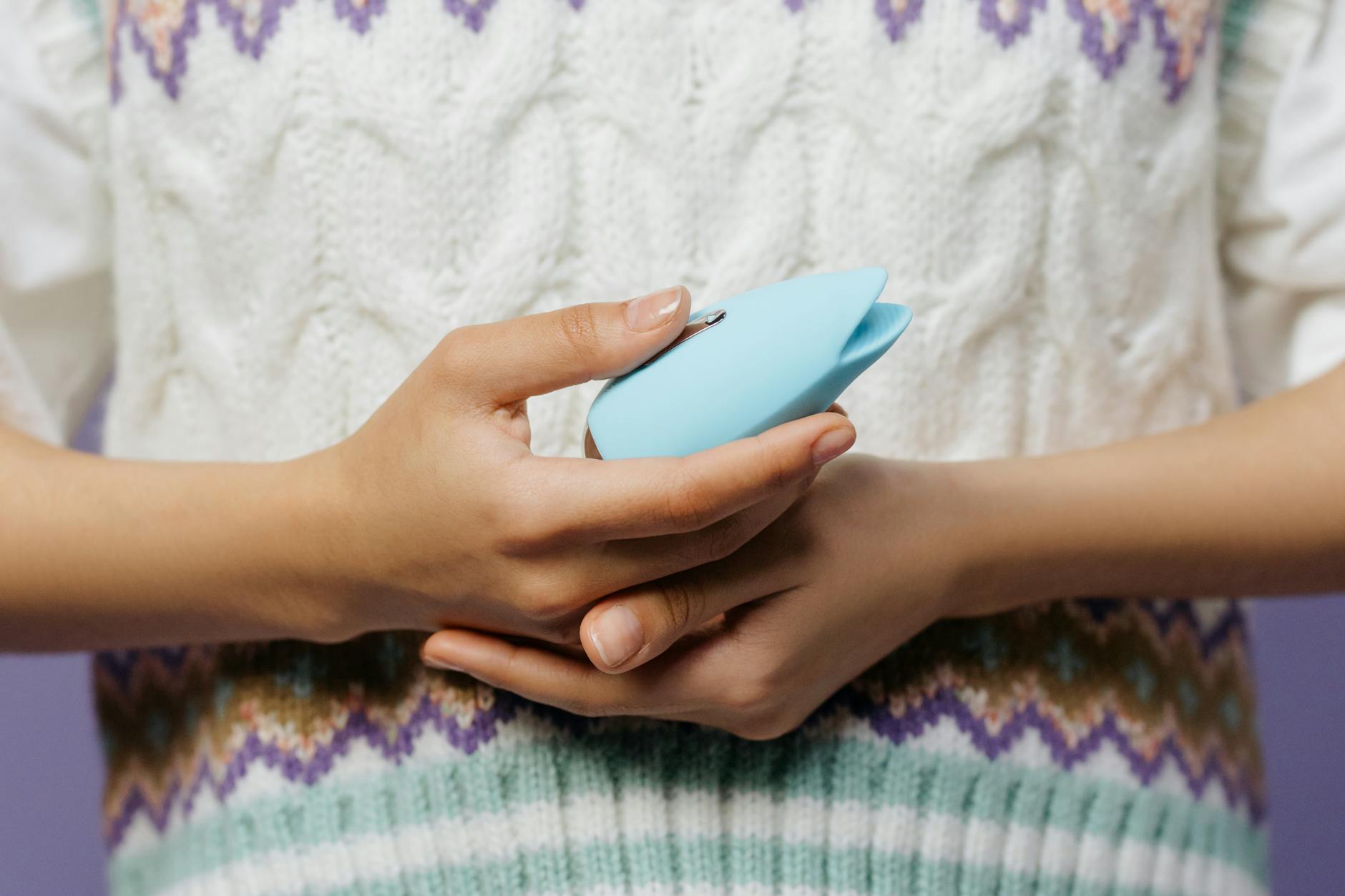
Here's the thing about desire under pressure
When your partner wants sex and you don't, the burden lands on you. Suddenly your body becomes a problem to solve instead of a source of pleasure. You start performing desire instead of feeling it, which kills the actual thing you're trying to manufacture. Sound familiar?
This is different from low libido caused by medication or hormones. This is desire that gets murdered by expectation. And a lemon vibrator can actually help, but not in the way you might think.
Why partnership pressure tanks desire in the first place
Your brain is wired to notice when sex becomes an obligation. The moment sex shifts from "something I want" to "something my partner needs from me," a tiny neurological switch flips. Anticipation converts to dread. Arousal converts to numbness.
This isn't weakness. This is your nervous system protecting itself. When pleasure becomes performance, your body exits the equation entirely. You're running a script, not inhabiting the experience. Most people in this spot report feeling like they're watching themselves from outside their body.
The dynamic also gets sticky because your partner might interpret your low desire as rejection of them, when actually it's rejection of the pressure. Two completely different things. But in the thick of it, partners often can't separate those conversations.
Why starting solo changes everything
Here's what reconnecting with a lemon vibrator on your own does: it reminds your nervous system that pleasure is possible without an audience, without performance, without anyone else's needs attached.
When you use a lemon clitoral vibrator alone, in your own space, at your own pace, you're doing something radical. You're telling your body that desire doesn't have to be produced on demand. You're also genuinely discovering what turns you on right now, in this phase of your life, with this particular relationship dynamic.
That data is everything. Because when you know what actually works for you, you can communicate that to your partner. "I need 20 minutes of my own time first" is concrete. "I want you to listen to music instead of watching" is actionable. "I need three weeks where we don't talk about sex at all" is honest.
You can't communicate desire you don't know how to feel.
The actual protocol: how to use a lemon vibrator when pressure is the problem
Start with zero expectations. Not "use this to build up to sex with my partner." Not "use this to get my libido back." Use it because you're curious. That's it.
Pick a time when your partner is genuinely occupied. Not "they're in the other room." Actually occupied for 45 minutes. No part of your brain should be tracking their location or waiting for them to appear. That background anxiety will tank arousal immediately.
Begin with no orgasm goal. I know that sounds backward, but the moment you attach a performance metric to solo pleasure, you've reintroduced pressure. Instead, explore. Find the setting on your lemon vibrator that makes you go "oh, that's interesting." Start at level 1 or 2. Most people skip the low settings because they don't feel like "enough," but low settings let your nervous system actually register sensation instead of bracing for impact.
Slow your timeline. Typical advice says 20 minutes. If you're carrying partnership pressure, give yourself 45 minutes and plan to spend 30 of those just exploring without intensity. Notice where your body wants touch. Notice where you tense. Tension is information. It's usually a sign that part of you is still bracing.
If arousal doesn't show up, that's also data. It doesn't mean you're broken. It might mean your nervous system still doesn't trust that this time is actually yours. Repeat the next week. Arousal often takes 3-4 solo sessions to return when it's been suppressed by couple dynamics.
The conversation with your partner matters more than the vibrator
Eventually you'll want to talk about this with them. Not during sex or a negotiation about sex. Just a regular conversation, maybe over tea.
Something like: "I've realized that when we talk about sex, I feel pressure instead of excitement. I'm taking some time to reconnect with my own pleasure on my own terms. That's not about you or about us. It's about me finding my way back to desire." Clear, boundaried, not blaming.
Then: "When I figure out what works for me, I'll let you know. But I need a few weeks where sex is completely off the table while I do this work." This sounds counterintuitive, but removing the possibility of sex often lowers the pressure enough that desire can actually return.
Your partner might push back. They might feel rejected. That's real, and it's their feeling to have. But you can't solve that by performing desire you don't feel. You'd just be agreeing to continue the cycle.
If your partner refuses to give you that space, that's important information about the relationship dynamic itself. Sometimes the barrier to desire isn't hormones or anatomy. Sometimes it's that the relationship structure needs rebuilding.
What a lemon vibrator actually does in this scenario
A lemon clitoral vibrator works particularly well here because the suction pattern is sensation-specific without being intense. You can use it at low settings and still feel clear, precise stimulation. Unlike traditional vibrators, which can feel overwhelming when your nervous system is already in defensive mode, lemon vibrators give you graduated control.
You can feel something genuinely pleasurable without bracing. That matters more than you'd think when you're rebuilding trust in your own body.
When to involve a therapist
If you've given yourself 4-5 weeks of solo time and arousal still won't return, or if your partner is escalating pressure or making you feel guilty, that's therapist territory. A good couples counselor or sex therapist can help untangle where the real issue lives. Sometimes it's a communication problem. Sometimes it's a deeper incompatibility. Sometimes it's trauma or anxiety that needs actual clinical support.
There's no shame in that. Desire under pressure is a legitimate impasse, and it often needs professional help to resolve.
The realistic timeline
Don't expect desire to roar back after two weeks of solo exploration. Rebuilding arousal when it's been killed by couple dynamics takes time. Most people report noticeable shifts around week 4 or 5. Some take longer. Your nervous system needs to genuinely believe the pressure is gone before it'll relax enough to want anything.
Use that time to get to know what your body actually wants. That knowledge is the foundation. Everything else builds from there.
FAQ
Can using a lemon vibrator solo make my partner feel rejected?
Possibly, yes. That's why the conversation matters more than the vibrator. Frame it as self-care, not a response to them. "I'm reconnecting with my body" lands differently than "I need space from you." But also be honest. If your partner is chronically making your solo time about them, that's a dynamic worth examining with a therapist.
How often should I use a lemon clitoral vibrator when I'm rebuilding desire?
Three to four times a week is a reasonable rhythm when you're reconnecting with pleasure. Anything less and you're not giving your body enough time to remember what arousal feels like. Anything more and it can become another obligation. The goal is pleasure, not productivity.
What if I still don't feel desire after using a lemon vibrator solo for weeks?
Then the issue might not be about disconnection from your body. It could be relationship unhappiness, mismatched life goals, unresolved conflict, or genuine sexual incompatibility. All of those are real. And they often look like "no desire" from the surface. A therapist can help you figure out what's actually happening underneath.
Should I tell my partner I'm using a lemon vibrator?
That's your call. Some people prefer privacy. Some people find that transparency actually reduces the tension. If your relationship is built on openness, transparency might help him understand you're working on reconnection, not running away. If there's control or shame in the relationship, keeping it private might be safer.
Can a lemon sucker vibrator help if my partner pressures me for sex during this process?
A vibrator can't solve a boundary problem. If your partner is pressuring you for sex while you've clearly stated you need time, that's a relationship issue that needs a direct conversation, not a product solution. You might need couples therapy or, in some cases, to reconsider whether this relationship is meeting your needs.
What if my partner wants to use the lemon vibrator on me?
Not yet. When you're rebuilding desire under pressure, partner-initiated touch often carries the same weight of expectation. Get to know the sensations solo first. Once desire genuinely returns on your own terms, then explore together. But the order matters.
You deserve desire that comes from inside you
Desire isn't something you owe your partner. It's something you feel or you don't. When pressure kills it, the path back runs through solo reconnection first. Use a lemon vibrator to remember what your body can feel when nobody's watching and nothing's expected. That pleasure is the foundation everything else builds on.
If you want to talk through your specific dynamic with a professional, reach out. Sometimes we all need a little guidance.