Here's what I hear most often
You're in bed with your partner. Sex happens. Their pleasure is the main event. Your pleasure, if it happens at all, feels like a bonus round that gets cut short. Maybe they finish and roll over. Maybe they try, but their rhythm doesn't match yours, and after a while you just... stop asking for what you need. It's easier that way.
I see this dynamic in my practice constantly, and it's exhausting because it's not about technique or enthusiasm. It's about permission. You haven't given yourself permission to prioritize your own satisfaction in the space you share with someone else.
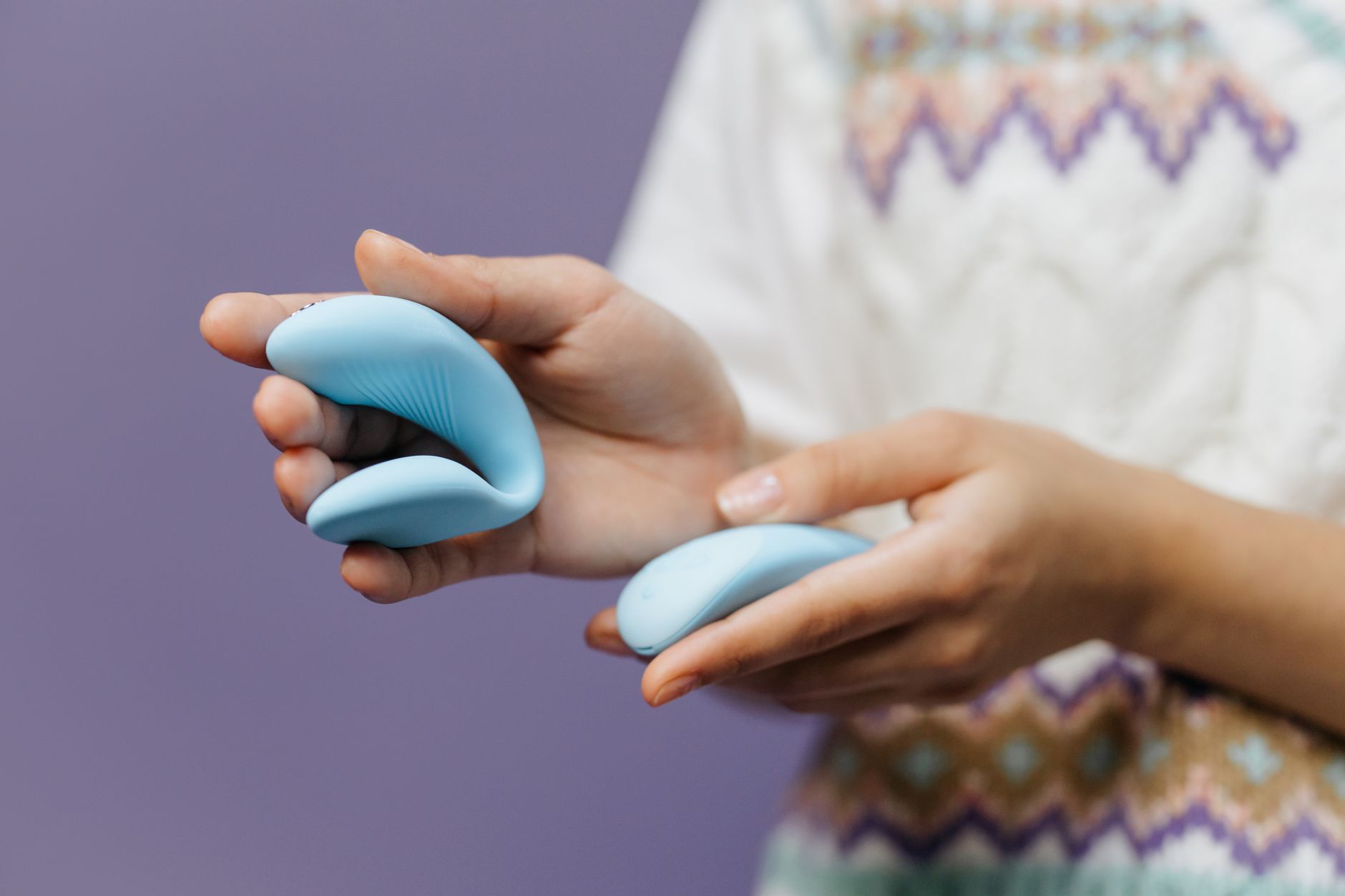
A lemon vibrator changes that equation not because it's magical, but because it makes your pleasure visible, non-negotiable, and impossible to apologize for.
Why one-sided pleasure happens (and why it's not your fault)
Relationships follow power patterns. Sometimes those patterns are about attraction, sometimes about confidence, sometimes about childhood scripts about whose needs matter in a room. One partner becomes the "receiver" and the other becomes the "giver," and after a while, that role calcifies.
What makes it stick is that the receiving partner often doesn't know how to ask for different, and the giving partner doesn't realize anything's wrong. You're both performing a script you didn't write together. One-sided pleasure looks like consideration on the surface, but underneath it's often just avoidance. If you speak up, maybe your partner feels inadequate. If you stay quiet, you disappear. So you stay quiet.
The research backs this up. Studies on sexual satisfaction in long-term couples show that partners with high sexual agency (the confidence to initiate, ask for what they want, and say no) report significantly higher satisfaction overall. The dynamic you're in right now is actively draining your sense of agency.
How a lemon vibrator reclaims that agency
There are three reasons a tool like a lemon clitoral vibrator works specifically for this situation.
First, it's autonomous. Your pleasure no longer depends on someone else's rhythm, mood, or awareness. A lemon vibrator, whether solo or integrated into partnered sex, gives you direct control over your own sensation. You're not waiting for permission. You're not performing gratitude. You're not managing someone else's ego.
Second, it's visible. When you introduce a lemon sucker or lemon vibrator into the room, your pleasure becomes a presence your partner has to acknowledge. They see it. They feel its effects. Suddenly your satisfaction isn't theoretical. It's happening right in front of them. That visibility often sparks something important: the realization that they haven't been prioritizing you, or haven't known how to.
Third, it's a conversation without words. Before you have to say "I need more attention" or "my pleasure matters too," the tool does the talking. Many couples find that introducing a device naturally shifts the dynamic because it removes shame from the equation. You're not asking for something your partner can't provide. You're adding something that helps you both.
Using a lemon vibrator solo first (this matters)
If you've been in a one-sided dynamic for a while, you might not know what your own pleasure actually feels like without someone else's needs in the room. That's not rare. It's just what happens when you've been trained to focus outward.
Start solo. Here's why: you learn your own body's language without distraction or self-consciousness. Spend time with a lemon clitoral vibrator when you're alone, without any goal except curiosity. Notice:
- Where does the sensation travel in your body.
- What intensity feels best at different times in your cycle.
- What rhythm builds pleasure instead of chasing it.
- How long you actually need to reach an orgasm (not how long you thought you "should" need).
If you've been faking or rushing orgasms for years to accommodate your partner's timeline, this solo exploration will show you what genuine response feels like. That information is valuable. Keep it. You'll need it.
Introducing it to partnered sex (the tactical part)
Let's say you're ready to bring the lemon vibrator into bed with your partner. How do you do that without triggering defensiveness or making them feel replaced.
Context matters hugely. Pick a moment when you're both relaxed, not in the middle of sex, and say something like: "I want to explore something that might feel good for both of us. I've been thinking about what helps me feel most satisfied, and I'd like to try this together."
Notice what you're not doing: you're not apologizing. You're not saying "because you're not enough." You're not framing it as a fix for them. You're framing it as an expansion for the two of you.
During sex, introduce it during foreplay, not as a replacement for partnered touch. Use a lemon sucker on yourself while they're inside you, or while they're using their hands or mouth. Let them watch. Many partners find that seeing their partner's genuine pleasure is actually more arousing than they expected. They realize they've been missing this whole dimension.
If your partner seems threatened or reluctant, that's information. It might mean they're insecure about their own ability to satisfy you, or it might mean there's a deeper control dynamic happening that goes beyond just sex. Either way, that reaction is worth exploring with honesty or professional support.
The conversation that has to happen
The vibrator opens the door, but it doesn't replace the actual conversation about why your pleasure went missing in the first place.
At some point, you need to say: "I've realized I've stopped asking for what I want. I don't want to do that anymore. I need us to check in about my pleasure, not just yours." That might feel scary if you're used to being the accommodating partner, but it's essential.
Here's what I tell my clients: one-sided pleasure is a relationship problem masquerading as a sex problem. You can bring every tool in the world into the bedroom, but if the dynamic underneath hasn't shifted, you'll still be the partner whose needs come second. The tool helps. The conversation is what actually changes things.
When a lemon vibrator becomes part of something larger
Some couples find that using a lemon clitoral vibrator together actually strengthens intimacy because it requires presence and attention. They have to focus on each other differently. They have to communicate about what feels good. Sex becomes collaborative instead of transactional.
Other couples realize that one-sided pleasure is a symptom of a broader disconnect, and the vibrator just makes that visible. If that's you, that's not a failure. That's clarity. And clarity, even when it's uncomfortable, is the first step toward change.
Your pleasure is not a luxury. It's not something you negotiate down to keep the peace. When you reclaim agency over your own satisfaction, you're not being selfish. You're teaching your partner how to love you better. And you're teaching yourself that you're worth the effort.
What happens next
If this resonates, the next step isn't to buy a lemon vibrator and hope things change. The next step is to get clear on what you actually want, both in the bedroom and in the relationship. What does pleasure feel like when it's truly yours. What does partnership feel like when both people's satisfaction matters equally.
A tool helps. But you're what matters. Your pleasure, your agency, your voice. Those come first.
People also ask
How do I bring up using a lemon vibrator with a partner who might feel insecure?
Frame it as something you want to explore together, not something that replaces them. You might say: "I've been thinking about what helps me feel most satisfied, and I'd like to try something that could feel good for both of us." The goal is collaboration, not substitution. If your partner is still resistant, that's worth a deeper conversation about what's driving that resistance. Sometimes insecurity is about feeling inadequate. Sometimes it's about control. Both deserve honesty.
Can I use a lemon vibrator during partnered sex, or should I only use it solo?
Both work. Many people start solo to understand their own body and pleasure without distraction, then introduce it into partnered sex as an addition, not a replacement. During partnered sex, a lemon clitoral vibrator can enhance sensation, help you reach orgasm more reliably, or just give you direct control over your own pleasure while your partner focuses on theirs. The key is that it's a choice, not a substitute for intimacy.
What if my partner wants to use the lemon vibrator on me but I feel more control when I use it myself?
That's valid information. You might prefer to use it yourself initially while your partner focuses on other touch. Or you might set boundaries: "I like directing this part." Many people find that as trust builds, they become comfortable letting a partner take a turn, but there's no timeline for that. Your comfort with vulnerability in the moment matters more than hitting some ideal of partnered play.
Does using a lemon vibrator mean my partner isn't satisfying me?
No. A lemon clitoral vibrator doesn't mean your partner has failed. It means you're adding a tool that helps you reach your own satisfaction more reliably, which benefits both of you. Many people use tools not because their partner is inadequate, but because their own body responds better to specific sensations. That's just anatomy, not a referendum on your relationship.
How do I know if one-sided pleasure is a sign of a bigger relationship problem?
One-sided pleasure becomes a bigger problem when: you feel resentful about sex rather than connected to it, you're regularly faking pleasure to protect your partner's feelings, you've stopped asking for what you want because you've learned it doesn't matter, or your partner actively dismisses your pleasure when you try to bring it up. A tool can help in many situations, but if the underlying dynamic is about control or indifference, that's worth addressing with a professional.
Should I feel guilty about prioritizing my own pleasure with a vibrator?
No. Your pleasure is not selfish. It's not a threat to your partner. It's not something you should apologize for or minimize. For years, you may have been trained to center your partner's satisfaction. Reclaiming your own is an act of self-respect, and it actually makes you a more authentic, less resentful partner. That's good for both of you.