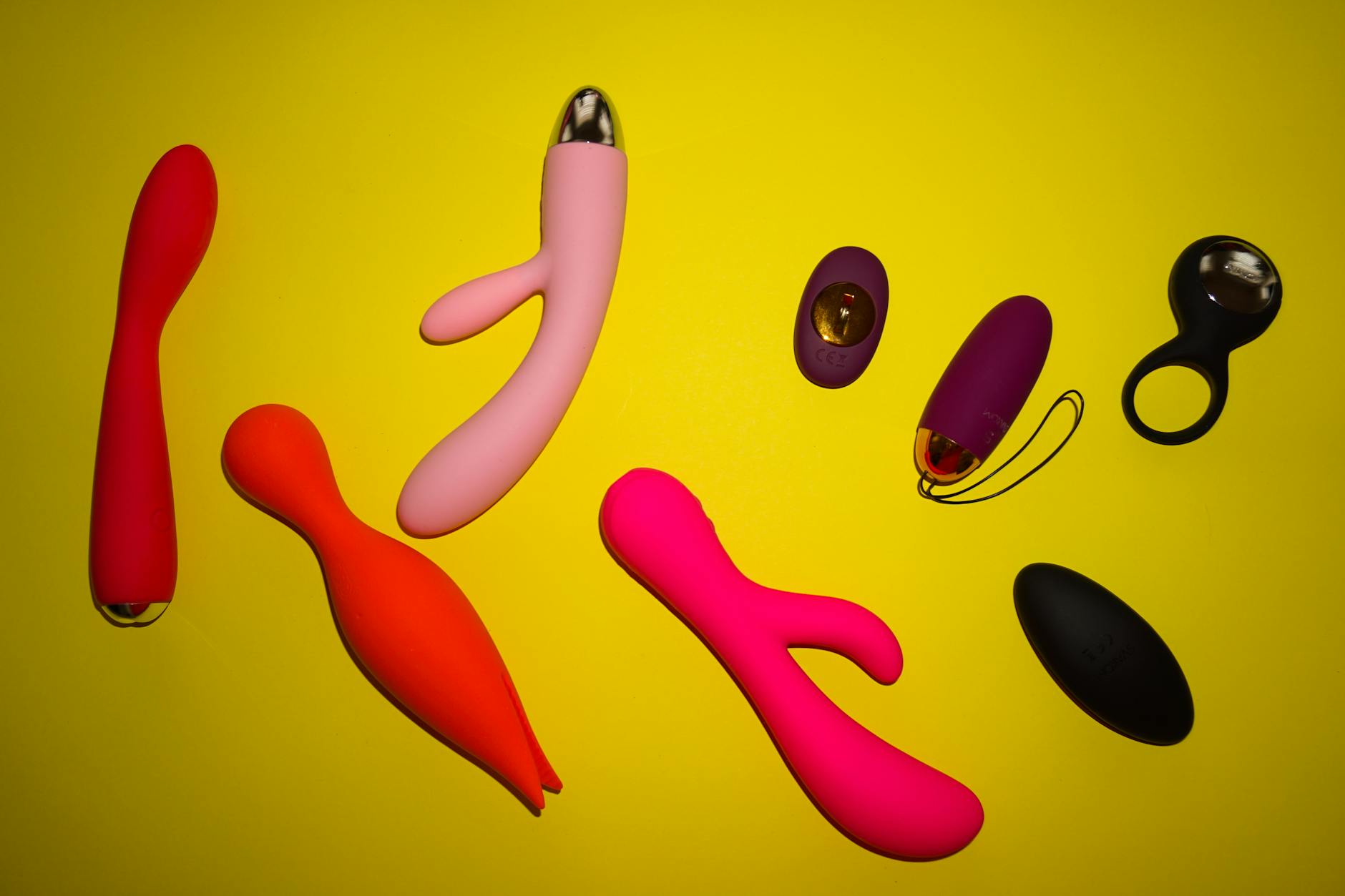
Let's talk about what actually happens after tearing or an episiotomy
Vaginal tears and episiotomies are incredibly common. Roughly 85% of first-time births involve some form of perineal trauma, and the recovery process rewires more than just tissue. Nerve endings heal slowly, scar tissue can affect sensation in unexpected ways, and the psychological weight of postpartum pain often outlasts the physical healing.
Here's what gets weird: you might feel numb in places you expected to feel sensation. Or you might feel hypersensitive where you'd thought you'd be fine. Both are normal. Neither means something is permanently broken.
Why sensation changes after trauma to the perineum
When tissue tears or gets cut, the nerves that run through the perineum take time to regenerate. This isn't a few weeks. We're talking three to six months of active remodeling, and sometimes a year or more for full resolution. During that window, the messages your body is sending to your brain about touch feel scrambled.
Episiotomies (surgical cuts made to widen the vaginal opening) create the same nerve disruption as tears, sometimes with additional scar tissue that can trap or irritate nerves as it forms. The result is a bizarre landscape of sensation: maybe the outer part of your vulva feels almost nothing, while the clitoris itself is so tender you can't tolerate direct touch.
Scar tissue is also less elastic than the original tissue, which means the pelvic floor can tighten defensively. Your body is trying to protect itself. Biologically, this makes sense. Practically, it can block sensation and make penetration (if and when you want it) feel worse, not better.
When it's actually safe to reintroduce pleasure
Your GP or midwife should clear you for sexual activity, typically around six weeks postpartum. But cleared for penetration doesn't mean cleared for everything. And it definitely doesn't mean you'll feel ready.
If you had a tear or episiotomy, I recommend waiting until at least eight to twelve weeks before exploring pleasure with a toy. Your body needs time. This isn't about rules. It's about setting yourself up for the best possible outcome.
Sign that you're ready: you're not in pain during daily activities, gentle stretching of the perineum doesn't hurt, and you feel at least some curiosity (not pressure) about sex again.
Why a lemon clitoral vibrator makes sense for postpartum recovery
The clitoris sits above the perineal area. If you tore or had an episiotomy at the vaginal opening or deeper in the perineum, the clitoral tissue itself often escapes direct trauma. This matters because it means you have a pathway back to sensation that doesn't trigger the same defensive response as penetration might.
A lemon vibrator or other dedicated clitoral vibrator is gentler than your hand because it distributes stimulation evenly. The Lem's air-suction design is particularly useful here: it doesn't rely on friction, which can feel raw or overwhelming on healing tissue. Instead, it uses gentle pressure and release, which helps wake up desensitized nerve endings without triggering pain.
The suction motion also promotes blood flow to the area, which accelerates healing. This isn't placebo. Better circulation means faster nerve regeneration.
How to approach your first time back
Timing matters. Pick a moment when you're not exhausted, not in pain, and alone or with a partner you trust completely. Postpartum bodies are vulnerable, and the last thing you need is performance anxiety on top of healing anxiety.
Start with no vibrator at all. Spend five to ten minutes just touching yourself gently, noticing what feels good and what feels strange. You're mapping the new landscape. Numb spots are fine. Unexpected sensation is fine. Pain is not fine. If something hurts, stop.
When you do introduce a lemon vibrator or similar clitoral toy, start at the lowest setting. The Lem has multiple patterns. Begin with pattern 1 or 2 and let your body adjust. You're not trying to orgasm. You're relearning what pleasure feels like.
Managing scar tissue sensitivity
If your scar tissue sits near your clitoris or on the outer labia, you might notice that direct stimulation feels irritating rather than good. This is often temporary, but you can work with it.
Focus stimulation slightly above or to the side of the scar tissue initially. As sensitivity improves, you can gradually move closer. Some people find that once scar tissue matures (which takes months), sensitivity in that area actually improves because blood flow has been restored.
If a particular area stays painful after six months, mention it to your GP or a pelvic floor physical therapist. Sometimes adhesions (bands of scar tissue) need professional attention.
Rebuilding with your partner, if you have one
If you're partnered, this is a conversation, not a surprise. Tell your partner what you're doing and why. You're not asking permission. You're inviting them into the process if they want to be there.
Many partners find it sexy to watch their partner explore and learn what feels good post-trauma. It also takes pressure off them to