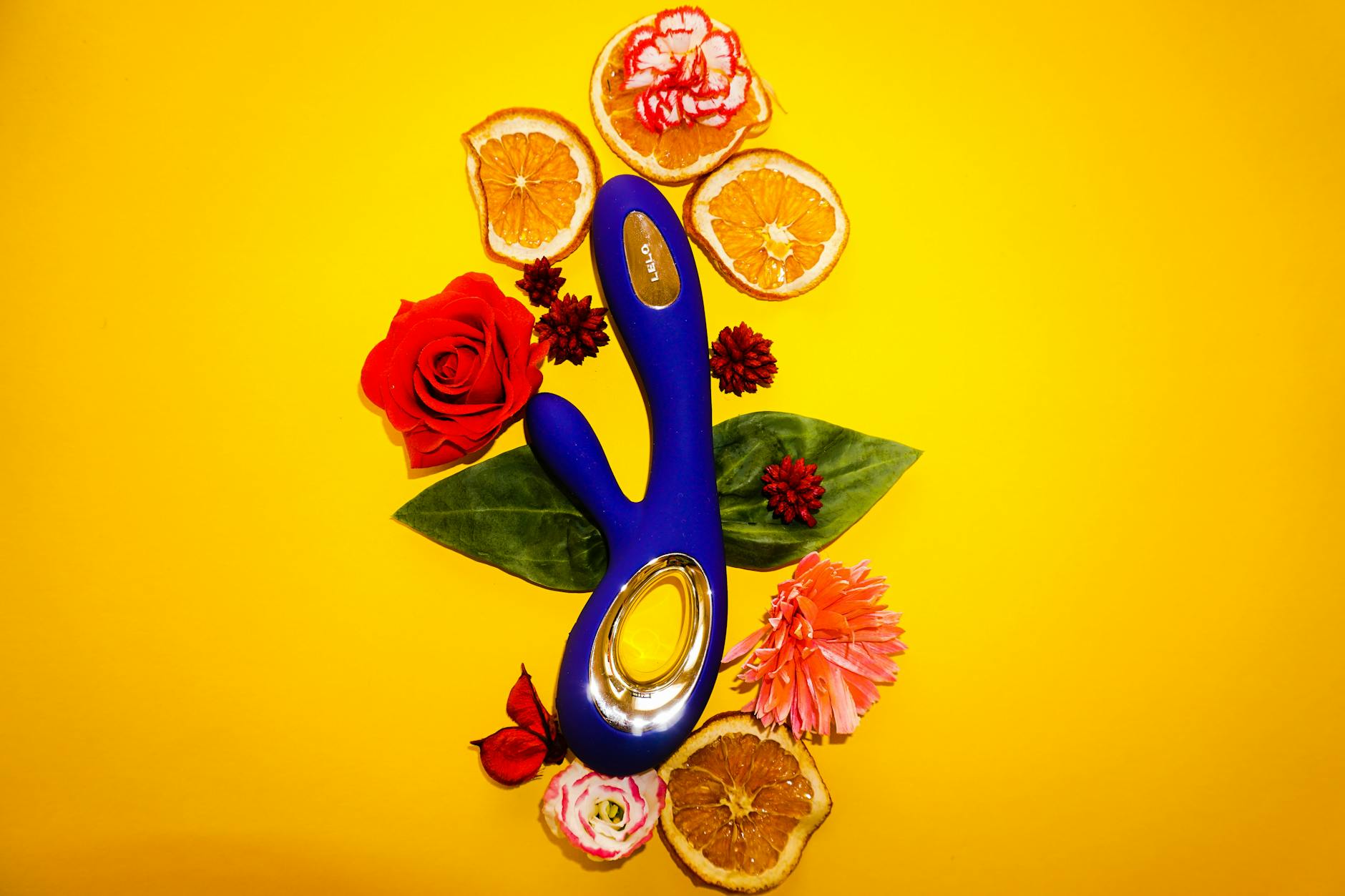
Let's start here: your body hasn't forgotten
Years without sex don't erase your capacity for pleasure. What they do erase is momentum, familiarity with your own response, and often, the belief that you deserve to explore sensation at all. When you've been without physical intimacy for a long time, restarting doesn't feel straightforward. Your nervous system might feel rusty. Your mind might loop with questions: "Will this even work? Am I broken? What if I've changed?"
You probably have changed. And that's actually useful information, not a problem to solve.
Why restarting looks different than starting fresh
Let me separate two things. Someone using a lemon vibrator for the first time in their twenties is learning their body. Someone using one after years of nothing is relearning it. The distinction matters because the second person often carries extra baggage: shame, worry about how they look, fear that desire won't show up, or guilt that they want pleasure at all.
Years without sex can happen for a bunch of reasons. Relationship loss or grief. Health issues. Depression. Caregiving that squeezed pleasure off the priority list. Spiritual beliefs. Simple lack of opportunity or partner. Whatever brought you here, the nervous system response is usually similar: your body has gotten used to not being stimulated, and that's a learned state, not a permanent one.
The good news: sensation comes back. Faster than you'd think, sometimes in just a few weeks of consistent (and I mean gentle) reconnection.
Starting with your own body first
Honestly though, if there's a partner waiting, I'd still recommend solo exploration before partnered touch. I know that's not always what people want to hear. But here's why it matters: you need to know what you're actually feeling before you can communicate it to someone else. You also need to prove to yourself that pleasure is safe, accessible, and yours.
Start alone. Set aside time when you won't be interrupted. Twenty minutes minimum, no rush. Your body needs permission to take as long as it needs.
Building back sensation without pressure
Don't start with a lemon vibrator. I know that might seem counterintuitive, but your nervous system needs to remember non-vibrating touch first. Spend a few sessions just touching yourself without any device. Hands only. Notice what feels good, what feels neutral, what feels uncomfortable. This is information gathering, not performance.
After a few sessions, introduce the lemon vibrator on the lowest setting. The lem vibrator's suction design is actually gentler than a traditional vibrator because it doesn't rely on direct friction. It's a good re-entry point if you've been without stimulation for a long time.
Start on your inner thighs, your breasts, anywhere except the most sensitive tissue. Let your body remember that vibration is a thing that happens and that it feels okay. This might take a few sessions. There's no timeline.
Only when that feels comfortable should you move toward direct clitoral contact. Even then, start through underwear or use the lemon clitoral vibrator at a lower intensity. Your tissue is probably more sensitive than it was years ago, and that's normal. You're not broken. You're just recalibrating.
What to expect physically
After years without sex, arousal might take longer to build. Your body might not lubricate the way it used to. Sensation might feel muted at first, or conversely, hypersensitive. Some people report that their clitoris feels a bit numb, or that they can feel the vibration but not the pleasure attached to it yet. That disconnect usually resolves in a few weeks.
If you're experiencing pain at any point, stop. Pain is real information. It might be a sign that you need to slow down further, use more lubrication, or that something like vaginal dryness or pelvic floor tension needs medical attention. A gynecologist who understands that you're rebuilding after time away can be genuinely helpful here.
Orgasm might not happen for a while, and that's completely fine. Some people don't orgasm for months when they're restarting. The goal isn't orgasm. The goal is sensation, comfort, and the belief that your body is worth paying attention to.
The lemon clitoral vibrator specifically
If you decide to get a lemon vibrator for this process, here's what makes it a good choice for rebuild: suction stimulation mimics a gentler, broader touch than vibration alone. You don't need to maneuver as much. You can relax more. The rhythmic sensation is often described as less jarring than a traditional clitoral vibrator, which matters when your nervous system is learning to trust pleasure again.
Use water-based lubricant. Even if you don't think you need it, use it. It helps the suction seal work better and reduces any friction that might feel uncomfortable. Start at a lower setting. Spend time just getting familiar with how it feels. You're not chasing an orgasm. You're retraining your nervous system to say yes to sensation.
If there's a partner in the picture
Having a partner waiting can actually create pressure that slows things down. If you can, explain that you need solo time first. Most partners who care about you will understand that this is about reclaiming your own pleasure, not about readiness for partnered sex.
When you do involve a partner, start with what you've learned solo. Show them what you've discovered about your body. Let them know that what feels good might be different than it was years ago. Rebuild together, meaning you lead and they follow, at least at first.
If you're worried about how you look or feel self-conscious about the time you've been away, address that directly with your partner before you get physical. Tell them that you're nervous. Ask for patience. Most of the time, what slows down pleasure isn't your body. It's the story in your head about your body.
The mental part is bigger than the physical part
Years without sex often come packaged with years of being out of touch with your own desires. You might not even know what turns you on anymore. You might not believe you deserve to feel good. You might be cycling through guilt about wanting pleasure at all.
Those thoughts are real obstacles. I'd recommend working through them with a therapist if you can, especially someone who works with grief, shame, or anxiety that blocks arousal. But even solo, you can work on this: every time you feel guilt or shame during solo exploration, pause and ask yourself where that came from. Was it taught to you? Does it actually belong to you? Do you want to keep it?
You can release it. It's not wired into your body. It's wired into your mind, and minds can change.
Rebuild your own pleasure, not someone else's idea of it
One last thing: if you're restarting because you want to but you're doing it partly because you think you should, that's worth examining. You don't owe anyone your sexuality. Not a partner, not a culture that says people your age should still be sexual, not even your own past self. If you decide that you don't actually want to restart, that's a completely valid choice.
But if pleasure is something you actually want to reclaim, start small, go slow, and remember that your body knows how to feel good. You've just forgotten the language. The lemon vibrator, a good partner (if you have one), and time are the tools. The rest is yours to discover.
People also ask
How long does it take to feel sensation again after years without sex?
Every body is different, but most people report a shift within 2-6 weeks of consistent gentle exploration. Some feel familiar pleasure almost immediately. Others take months. The timeline depends on why you were without sex in the first place. If there was trauma, it might take longer. If it was just circumstance, often faster. There's no rush.
Is it normal to feel nothing when you first use a lemon vibrator after a long time?
Completely normal. After years without stimulation, your nervous system is cautious. It's protecting you. Sensation often returns once your body realizes that pleasure is safe. If nothing changes after several weeks of consistent exploration, see a doctor to rule out anything like hormonal shifts, medication effects, or neurological factors. But honestly, the first few weeks are about retraining, not about results.
Can a lemon clitoral vibrator help if I'm scared of intimacy after time away?
It can be part of the solution, but the real work is psychological. A vibrator is a tool that helps you practice touch, sensation, and self-trust in a controlled way. But the fear itself usually needs to be addressed with someone trained in that work, ideally a therapist. Vibrators help the body. Therapy helps the mind. Both matter when you're rebuilding after a long pause.
Should I tell my partner I'm restarting with a vibrator?
That depends on your dynamic and what you're comfortable with. If you want to eventually involve them, it can help to mention it. "I'm taking some time to reconnect with my own body before we restart together." If you want to keep it private, that's also your right. The important thing is that you're being honest with yourself about what you need.
What if I restart and realize I don't actually want sex anymore?
That's really valuable information. Years away from sex sometimes reveals that it wasn't actually something you wanted in the first place. Or maybe you want it differently now. Slow exploration with a tool like a lemon vibrator can help you figure out what you actually desire versus what you think you should desire. Both answers are okay.
Is a lemon vibrator better than other clitoral vibrators for rebuilding?
For many people coming back after a long time, yes. The suction design is gentler, the stimulation is broader, and you don't need as much friction. But the best vibrator is the one that works for your body and feels safe to you. Some people prefer a wand. Some prefer a traditional vibrator. Start with what sounds least intimidating, and you can always experiment later. Learning about what matters most in your first device can help with that decision too.