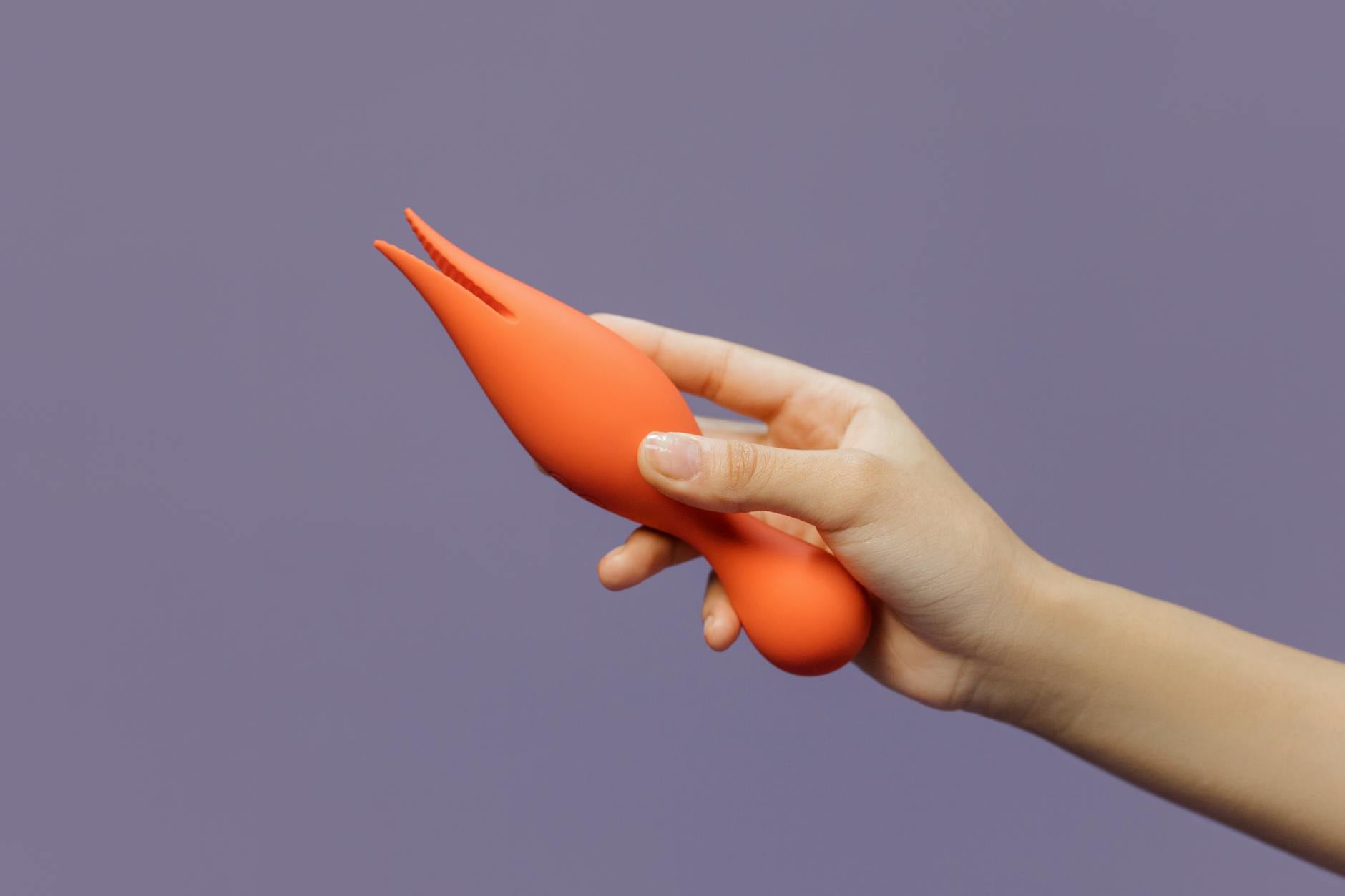
How to Use a Lemon Vibrator When Your Partner's Desire Returns at a Different Pace
Let's be real: desire doesn't sync like a couple's calendar. One person emerges from depression or burnout or illness ready to reconnect. The other needs three more months. One of you wants to jump back in immediately. The other is still figuring out if they want to at all.
This asynchronous reawakening is one of the thorniest problems in long-term relationships, and it doesn't get talked about nearly enough. It's not the same as a permanent mismatch. It's worse because it's temporary but feels like it might not be. And it leaves both people stranded: one feeling rejected, the other feeling pressured.
A lemon vibrator can't fix the timeline mismatch. But it can change how you navigate it.
Why desire returns on different schedules
First, understand what's actually happening physiologically. Arousal and desire aren't the same thing, and they don't operate on identical clocks even in the same body.
If one partner is recovering from depression, their dopamine regulation is still stabilizing. If they're coming off a medication that suppressed libido, the neurochemical shift takes weeks. If they've been managing chronic pain or fatigue, the moment their energy returns doesn't automatically trigger sexual interest. Their nervous system is still recalibrating.
Meanwhile, their partner has been in a holding pattern. They've been managing their own desire while trying not to pressure. They've been waiting for the green light. And when they see signs of life from their partner, they naturally want to move forward.
Neither timeline is wrong. They're just different. And that difference creates a particular kind of tension because it feels personal when it isn't.
The trap couples fall into
Here's what usually happens: the partner with returning desire waits until they feel safe initiating. Once they do, the other partner either:
- Matches their energy immediately (and then crashes, feeling obligated rather than connected)
- Pulls back (which feels like rejection to the waiting partner, who was already vulnerable)
- Agrees to sex they're not ready for (which damages trust when they realize they're faking it)
None of these work. They all create resentment because the conversation is happening without words. The partner with slower-returning desire feels pressured. The partner with faster-returning desire feels unwanted. Both are correct.
Why a lemon vibrator changes the equation
A lemon clitoral vibrator reframes the entire dynamic. It shifts the focus from partner sex to self-pleasure, which removes the performance pressure while keeping intimacy in the room.
Here's what I mean: when you introduce a lemon vibrator into this scenario, you're saying three things without saying them.
One: your pleasure doesn't depend on me being ready right now. This immediately releases pressure from the slower-returning partner. They can watch, participate, encourage, or simply be present without having to perform.
Two: I'm staying connected to my body during this waiting period. This matters to the faster-returning partner because it means the desire that emerged is real and alive, not something they imagined or will lose if they don't act immediately.
Three: we can build comfort together without forcing synchronization. You can explore your own arousal while your partner gradually becomes more comfortable with sexual energy in the room again.
How to introduce it without pressure
Timing is everything. Don't bring a lemon vibrator into the conversation when you're negotiating desire or scheduling sex. That makes it feel like a workaround, which it is, but which also makes the slower-returning partner defensive.
Instead, introduce it casually when you're talking about pleasure or bodies in general. "I've been thinking about getting something for myself during this transition period" is different from "I need this because you're not ready." One is about you. The other is about them failing.
If you're the partner with slower-returning desire, you might also be the one to suggest it. This flips the power dynamic entirely. "I want you to have what you need" is a real expression of care that also takes pressure off both of you.
Once you have a lemon vibrator, establish that it's yours to use alone and together. If you want to use it solo, that's fine. If you want your partner to watch or help, that's also fine. The key is choice, not obligation.
Ways to use a lemon vibrator during mismatched timelines
Solo exploration with invited presence. You use your lemon vibrator while your partner is in the room reading, working on something, or simply present. This is intimacy without demand. They can see you're alive and engaged with your body. You're not waiting for them.
Mutual pleasure on different tracks. You use your lemon clitoral vibrator while they touch themselves or simply enjoy watching. The pressure to synchronize disappears because you're both pursuing your own experience. This is particularly useful because it lets the slower partner warm up at their own pace without feeling obligated to climax or perform arousal they don't feel yet.
Foreplay that honors both timelines. If the faster-returning partner wants some physical connection before the slower partner is ready for sex, a lemon vibrator bridges that gap beautifully. You can be intimate without requiring them to be aroused in the traditional sense. They can participate in your pleasure without needing to generate their own.
Conversation while you use it. This might sound odd, but some couples find that using a lemon vibrator opens dialogue that wouldn't happen otherwise. Your hands are occupied, your nervous system is engaged, and the conversation isn't about logistics. It's easier to talk about what you're feeling, what you miss, what you're afraid of.
One partner told me: "Having the vibrator gave me something to do with my hands and anxiety. I could talk about missing him without it turning into 'we should have sex now.'"
What this does for the faster-returning partner
If you're the one whose desire is back and your partner's isn't, using a lemon vibrator (or watching them use one) serves several functions.
First, it channels the energy somewhere productive instead of letting it fester into rejection or frustration. You're not waiting passively. You're staying connected to pleasure and arousal.
Second, it demonstrates that you're not waiting for permission. Your desire is yours. This is subtle but powerful. It takes the pressure off your partner because your sexual aliveness isn't something they have to manage or fix.
Third, it can actually accelerate the slower partner's return to desire. Watching someone you love experience pleasure is often more arousing than being asked directly. The lack of pressure is the aphrodisiac.
What this does for the slower-returning partner
If you're the one still finding your way back to desire, a lemon vibrator in the room (whether you're using it or watching your partner use one) does something specific: it separates sex from obligation.
You can see that pleasure exists independent of you performing. You can warm up gradually while your partner pursues their own experience. You can say no to penetration while still being intimate. You can watch someone you love feel good without needing to feel the same thing simultaneously.
This actually speeds up the return of desire in many cases because desire thrives when there's no pressure. Once you know that saying "not yet" doesn't mean "never" or "I don't want you," you can actually start to feel interest again.
The conversation you still need to have
A lemon vibrator helps, but it's not a replacement for talking about the actual timeline. Here's what you need to discuss:
What does return to desire look like for you? Is it penetrative sex? Is it any sex? Is it just physical affection? Get specific.
What will you do in the meantime? Solo pleasure? Foreplay? Touching without sex? Decide together so there's clarity instead of assumptions.
What feels pressuring? For the slower-returning partner: what specific things feel like too much? For the faster-returning partner: what feels like rejection? Name it.
How will you know when the slower partner is ready? This is crucial. It can't be "when I initiate." Initiating while still unsure is how you end up with resentment. It might be "when I ask for something specific" or "when I suggest trying something together."
How long is this likely to take? You don't need an exact date, but a rough timeline matters. "Maybe a few weeks" is different from "I honestly don't know yet," and both partners need to know what they're working with.
When to bring in professional support
If the timeline mismatch has been going on for more than three to four months without shifting, or if you're having the same fight repeatedly, a couples therapist who specializes in intimacy can help. This is particularly true if one partner feels increasingly resentful or if the slower-returning partner is experiencing anxiety about sex rather than just low desire.
A lemon clitoral vibrator is a tool for bridging a gap, not for eliminating it. If the gap itself is a symptom of something deeper, you'll want professional support.
The deeper point
Desire returning at different paces is actually a common phase in long-term relationships, especially after illness, depression, medication changes, or major life transitions. It feels isolating because couples don't talk about it, so both people assume something is uniquely broken about their dynamic.
It's not. It's normal. And tools like a lemon vibrator make it significantly easier to navigate without resentment building up while you wait for synchronization.
Your desire timeline doesn't need to match. But your commitment to rebuilding intimacy on terms that work for both of you does.
Frequently asked questions
Can using a vibrator alone make my partner feel replaced?
Not if you've talked about it first. Frame it as something you're doing for yourself during a transition period, not as a substitute for partnership. Many partners find it reassuring because it means their slower-returning desire isn't stopping the other person from experiencing pleasure.
What if my partner doesn't want to watch or participate?
That's fine. The lemon vibrator still serves its purpose. Using it alone while your partner knows about it is still a form of honesty and self-care. It takes pressure off them while keeping you connected to pleasure.
How long should I wait before bringing sex back into the picture?
There's no universal timeline, but listen for clear signals from the slower-returning partner. They might ask for something specific, initiate touch, or simply say they're ready. If you're not sure, ask directly: "I want to check in about where you're at." That's better than guessing.
Does a lemon sucker work the same way as a regular vibrator for this?
Yes. The specific tool matters less than the permission and intention it represents. If a lemon clitoral vibrator feels right for your body, great. If you prefer a different style of toy, that works too. The point is honoring your own pleasure while your partner finds their way back.
What if we've been mismatched for so long that we don't know how to reconnect?
That's a sign to work with a couples therapist. A long mismatch period often means there's resentment or disconnection beyond just different desire timelines. You'll want professional support to rebuild trust and intimacy.
Can using a vibrator together help if we're both trying to restart?
Absolutely. If both partners are coming back to desire simultaneously, a lemon vibrator can be a shared experience that reminds you what pleasure feels like together. You can explore at your own pace while staying connected.
Moving forward
Desire returns when there's safety, when there's no pressure, and when both partners feel seen. A lemon clitoral vibrator won't create those conditions, but it can support them while you're both learning to move at the same pace again.
For more on rebuilding intimacy after transitions, check out our guide on how to use a lemon vibrator when restarting intimacy after years without sex.
If anxiety is blocking your partner's desire, this piece on how to use a lemon vibrator when anxiety blocks arousal might help both of you understand what's happening beneath the surface.
Your pleasure matters. Their timeline matters. Both things can be true at once.